Border Collie Training: Mastering Herding Impulse Control
Learn breed-specific Border Collie training techniques to manage herding instincts, master impulse control, and channel their high energy effectively.
Understanding the Border Collie's Herding Drive
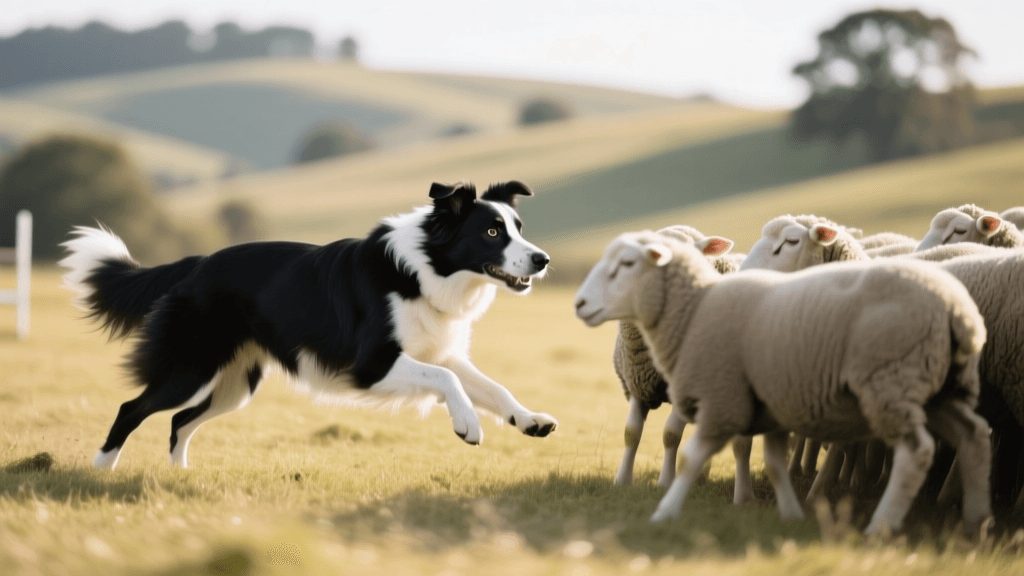
Border Collies are the athletes of the canine world, possessing an unparalleled work ethic and a staggering level of intelligence. Originally bred in the hilly border country between Scotland and England for herding livestock, these dogs have a deeply ingrained genetic predisposition to control the movement of other animals. While this makes them exceptional working dogs, it can present significant behavioral challenges in a modern suburban or urban household. If you have ever found your Border Collie stalking your children, nipping at the heels of joggers, or intensely fixating on passing cars, you are witnessing their herding drive in action.
Training a Border Collie requires more than just basic obedience; it demands a breed-specific approach that addresses their impulse control and provides appropriate outlets for their mental and physical energy. In this comprehensive deep dive, we will explore actionable, step-by-step training protocols designed specifically for the Border Collie's unique psychological makeup.
The Dangers of Unmanaged Herding Instincts
The American Kennel Club notes that the Border Collie's herding style is characterized by a crouching stance and an intense, hypnotic stare known as "the eye." This predatory sequence—stare, stalk, chase, grab-bite—is a modified version of a wolf's hunting behavior, selectively bred to stop short of the kill-bite. This instinct is so powerful that it cannot be entirely trained away. Instead, successful ownership relies on managing the environment and redirecting the behavior.
Unmanaged herding instincts can quickly escalate into dangerous behaviors. A Border Collie chasing a cyclist on a busy street is a life-threatening situation. Similarly, herding toddlers by nipping their ankles can lead to severe bite incidents. The ASPCA highlights that herding behaviors are often misdiagnosed as aggression by inexperienced owners. When a Border Collie becomes overstimulated by fast-moving objects, their arousal levels spike, making traditional obedience commands ineffective. Therefore, the cornerstone of Border Collie training is impulse control.
Essential Gear for Border Collie Training
Before beginning your training regimen, you must equip yourself with the right tools. Border Collies are highly sensitive to physical corrections, so aversive tools like shock collars can cause fear-based reactivity and shut down their willingness to work.
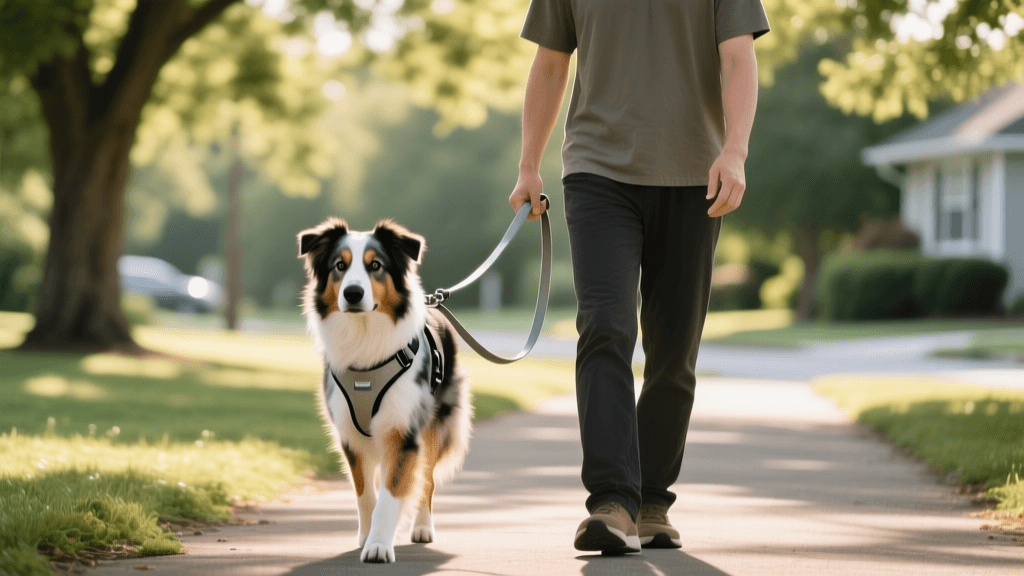
- Ruffwear Front Range No-Pull Harness ($40 - $50): A front-clip harness gently redirects the dog's momentum without putting pressure on their trachea when they lunge at a visual trigger.
- Biothane Long Line, 15-foot ($25 - $35): Biothane is waterproof, durable, and won't tangle easily in brush. A 15-foot line gives your dog enough freedom to practice recalls while maintaining safety near roads.
- Magnetic Closure Treat Pouch ($20 - $30): Speed is critical in marker training. A magnetic pouch allows for split-second treat delivery compared to zippers or drawstrings.
- Kong Classic Red ($15 - $20): Essential for mental enrichment. Stuff it with a mixture of plain Greek yogurt, kibble, and frozen blueberries to provide a 30-minute licking session that lowers canine cortisol levels.
Step-by-Step Impulse Control Training
Impulse control is the antidote to the Border Collie's reactive herding drive. The goal is to increase the latency between the trigger and the dog's response, giving you a window to intervene. The AKC's guide on impulse control emphasizes that consistency and high-value rewards are paramount.
1. The "Place" Command (Duration Training)
Teach your dog to go to a raised cot (like a Kuranda bed, approx. $120). Start in a low-distraction environment. Lure them onto the bed, mark the behavior with a clicker or a verbal "Yes!", and reward. Gradually increase the duration from 5 seconds to 5 minutes. Once mastered indoors, move to the front porch. When a jogger passes, cue "Place" before the dog reacts, and feed high-value treats (like boiled chicken breast cut into 1/4-inch cubes) continuously while the trigger is in sight.
2. The "Leave It" Protocol
Hold a low-value treat in a closed fist. When your dog sniffs and pulls back, mark and reward from your other hand. Progress to dropping the treat on the floor and covering it with your foot. The ultimate test is walking your Border Collie past a scattered pile of treats on a 6-foot leather leash. If they look at the treats and then back up at you, mark and reward with a higher-value item. This rewires their brain to understand that ignoring a temptation yields a better reward.
3. Flirt Pole Desensitization
A flirt pole (a wand with a lure attached to a string, approx. $30) mimics the erratic movement of prey. Use this tool in your fenced yard to practice "Drop It" and "Wait" commands amidst high arousal. Swing the lure, let the dog grab it, and cue "Drop It." When they release, cue "Wait" for 3 seconds before releasing them to grab it again. This teaches them to turn their predatory arousal on and off on your command.
Channeling Energy: Alternatives to Traditional Herding
Mental fatigue is often more exhausting for a Border Collie than physical exercise. A 15-minute session of shaping complex tricks or practicing scent discrimination can tire your dog out more effectively than a two-mile run. If you do not live on a farm, you must provide alternative "jobs" that satisfy their need for complex problem-solving.
| Activity | Physical Exertion | Mental Stimulation | Average Cost | Best For |
|---|---|---|---|---|
| Treibball | Medium | High | $100-$200 (Classes) | Herding Instincts |
| Agility | High | High | $150-$300 (Equipment) | High-Energy Dogs |
| Scent Work | Low | Very High | $50-$100 (Kits) | Reactive/Anxious Dogs |
| Flyball | Very High | Medium | $50-$150 (Club Fees) | Toy-Driven Dogs |
Treibball, often referred to as "urban herding," involves the dog pushing large exercise balls into a designated goal area using their nose and shoulders. It requires the handler to use whistles or hand signals to direct the dog to specific balls, closely replicating the communication required in traditional sheep herding. Agility, on the other hand, requires intense handler focus and rapid impulse control to navigate weave poles and jumps at high speeds. For Border Collies that exhibit severe reactivity to other dogs or people, Scent Work is an excellent alternative. It forces the dog to use their olfactory senses, which naturally lowers their heart rate and redirects their focus away from visual movement triggers.
Socialization and Managing Reactivity
Socializing a Border Collie is not just about exposing them to new environments; it is about teaching them neutrality. Because they are hardwired to notice and react to movement, you must actively reward them for ignoring moving stimuli. During walks, carry a treat pouch filled with freeze-dried liver. Every time your dog notices a squirrel, a blowing leaf, or a passing skateboard and chooses to look back at you instead of lunging, immediately mark and reward. Over time, the presence of a movement trigger will become the cue for your dog to check in with you, rather than a trigger to initiate a herding sequence.
Conclusion
Training a Border Collie is a lifelong commitment to their physical and psychological well-being. By understanding their genetic blueprint, utilizing the correct positive-reinforcement gear, and implementing rigorous impulse control protocols, you can transform a chaotic, reactive dog into a focused, harmonious companion. Remember, you cannot erase their herding instinct, but you can absolutely give them the right job to do.
tom-renshaw
All our authors care for dogs every day — read more of their work on the authors page.