Crate Training a Puppy: Google's Most-Asked Questions
Discover answers to Google's most-asked questions about crate training a puppy, including sizing, timing, costs, and step-by-step behavioral tips.
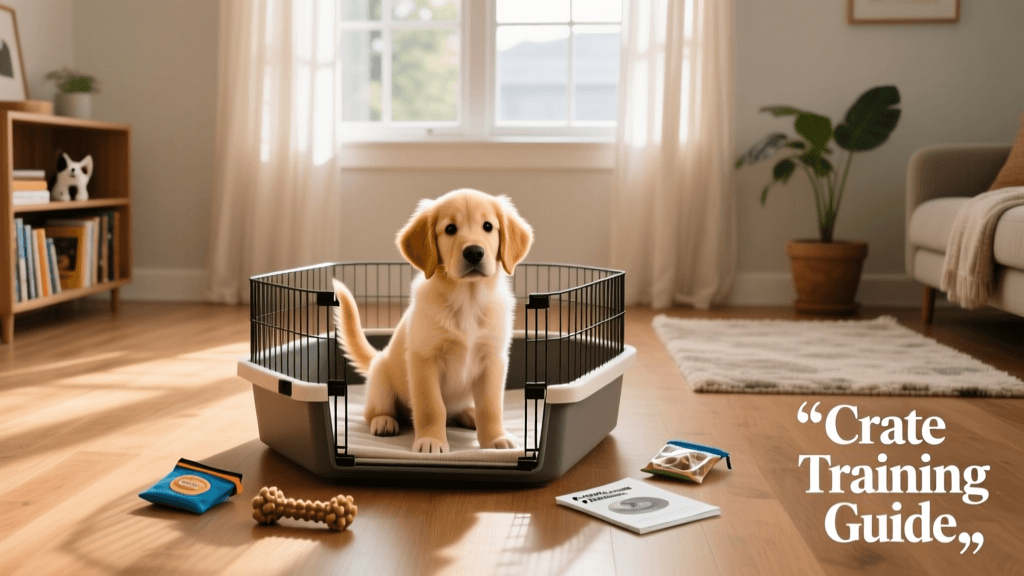
The Ultimate Guide to Crate Training: Answering Google's Most-Asked Questions
If you have recently brought a new puppy home, you have likely found yourself scrolling through Google at 2:00 AM, desperately searching for answers about crate training. Crate training is one of the most effective methods for housebreaking, preventing destructive behavior, and providing your dog with a safe, den-like sanctuary. However, it is also a process fraught with questions, whimpers, and occasional setbacks. According to the Humane Society of the United States, when done correctly, a crate becomes your dog's favorite place to relax, not a punishment zone.
In this comprehensive guide, we are tackling the most frequently asked questions about crate training, providing actionable advice, specific product recommendations, and behavioral conditioning techniques to set you and your puppy up for success.
What Size Crate Should I Buy for My Puppy?
One of the most common Google searches is about crate sizing. If a crate is too large, your puppy may use one corner as a bathroom and sleep in the other, entirely defeating the purpose of housebreaking. If it is too small, your dog will be uncomfortable and anxious.
The Golden Rule of Crate Sizing
Your puppy should be able to stand up without hitting their head, turn around comfortably, and lie down stretched out. For growing puppies, you do not need to buy a new crate every month. Instead, invest in a wire crate with an adjustable divider panel.
- Wire Crates: The MidWest Homes for Pets iCrate is a top-rated choice (approx. $45-$70 depending on size). It offers excellent ventilation, folds flat for travel, and includes a divider panel.
- Plastic Crates: The Petmate Ultra Traditional Vari Kennel (approx. $30-$60) is ideal for travel and puppies who prefer a darker, more enclosed den environment. However, you cannot use a divider, so you may need to block off the back with a sturdy, safe box until the puppy grows.
- Soft-Sided Crates: Avoid these for puppies. They are easily destroyed by teething teeth and offer no structural support for behavioral conditioning.
How Long Can a Puppy Stay in a Crate?
Puppies have tiny bladders and high metabolic rates. Leaving a puppy in a crate for an eight-hour workday is not only cruel, but it will also severely regress your housebreaking efforts. The general rule of thumb, supported by the American Kennel Club (AKC), is that a puppy can hold their bladder for one hour per month of age, plus one additional hour, up to a maximum limit.
Puppy Crate Time Limits Chart
| Puppy Age | Maximum Daytime Crate Time | Overnight Expectation |
|---|---|---|
| 8 - 10 Weeks | 1 - 1.5 Hours | 2 - 3 Hours (Expect night wakings) |
| 11 - 14 Weeks | 2 - 3 Hours | 3 - 4 Hours |
| 15 - 16 Weeks | 3 - 4 Hours | 4 - 5 Hours |
| 4 - 6 Months | 4 - 5 Hours | 6 - 8 Hours |
| 6+ Months | 6 - 8 Hours (Maximum) | 8 Hours |
Note: No dog, regardless of age, should be crated for more than 8 hours at a stretch during the day without a break for exercise and hydration.
Should I Cover My Puppy's Crate at Night?
Dogs are den animals by nature. A covered crate mimics the dark, enclosed safety of a wild den, which can significantly reduce visual stimuli that cause anxiety and barking.
Pro Tip: Never use a heavy blanket that can be pulled into the crate and chewed. Invest in a breathable, purpose-built cover like the MidWest Homes for Pets Crate Cover ($20-$30), which fits snugly and prevents snagging.
However, covering the crate is not a one-size-fits-all solution. Breeds prone to overheating (like Bulldogs or Pugs) or dogs with severe claustrophobia may do better with just the top and back covered, leaving the front open for airflow and visibility. Always monitor your puppy's breathing and panting levels when introducing a cover.
How Do I Stop My Puppy From Crying in the Crate?
This is arguably the most searched, most stressful question for new owners. Whining and crying are extinction bursts—your puppy is protesting the loss of freedom and littermate warmth. Here is a step-by-step behavioral conditioning protocol to stop the crying:
- Build Positive Associations: Never use the crate as punishment. Feed all meals inside the crate with the door open. Toss high-value treats (like freeze-dried chicken or Zuke's Mini Naturals) into the back of the crate so the puppy has to enter voluntarily.
- The KONG Method: Stuff a KONG Classic Puppy Toy ($12-$15) with plain peanut butter (ensure it is Xylitol-free) or plain Greek yogurt, and freeze it. Give this to your puppy only when they enter the crate. This creates a powerful positive association and keeps them occupied for 20-30 minutes.
- Desensitize the Door Latch: Close the door for 2 seconds, treat, and open. Gradually increase to 5 seconds, 10 seconds, 1 minute, and then step out of the room for 3 seconds. Build duration slowly over several days.
- Ignore Demand Barking: If your puppy cries after being settled and having gone to the bathroom, you must ignore them. Releasing a crying puppy teaches them that crying equals freedom. Wait for a 5-second pause in the noise before opening the door.
- Use White Noise: Place a LectroFan Classic White Noise Machine ($30) near the crate to drown out household sounds that might trigger alert barking.
Where is the Best Place to Put the Crate?
Location dictates how well your puppy will accept the crate. During the day, place the crate in a high-traffic area like the living room or kitchen so your puppy feels included in the family's daily activities. Isolation can lead to separation anxiety.
At night, the best place for the crate is in your bedroom, right next to your bed. Puppies cry at night partly because they feel abandoned. Hearing your breathing and smelling your scent will drastically reduce nighttime panic. As your puppy matures and sleeps through the night, you can gradually move the crate to your preferred permanent location, shifting it a few feet every couple of nights.
Avoid placing the crate near heat vents, radiators, or in direct sunlight, as crates can quickly become overheated, posing a severe heatstroke risk to your puppy. Similarly, keep the crate away from drafty windows or air conditioning units to prevent your dog from getting chilled during the night.
How to Clean and Maintain the Crate
Hygiene is a critical component of crate training. Puppies are prone to accidents, and lingering odors can encourage them to soil the same spot repeatedly. You must clean the crate thoroughly using an enzymatic cleaner like Nature's Miracle Advanced Stain and Odor Eliminator ($10-$15). Standard household cleaners containing ammonia or bleach should be strictly avoided, as ammonia smells like urine to a dog's sensitive nose and can actually trigger them to mark the area again.
Remove the crate pad and wash it in hot water with a pet-safe, unscented detergent weekly. Wipe down the plastic tray with warm soapy water, and use a wire brush to remove any dried debris from the metal grating. Maintaining a clean environment ensures your puppy views the crate as a comfortable bedroom rather than a soiled holding cell.
What Are the Typical Costs Associated with Crate Training?
Budgeting for a new puppy is essential. While crate training itself is free, the tools required to do it humanely and effectively do carry some costs. Below is a breakdown of the estimated startup costs for crate training a medium-sized puppy.
| Item | Estimated Cost | Purpose |
|---|---|---|
| Wire Crate with Divider (36-inch) | $50.00 - $75.00 | Primary housing and housebreaking tool |
| KONG Classic Puppy Toy | $12.00 - $15.00 | Mental enrichment and positive association |
| Washable Crate Pad | $20.00 - $35.00 | Comfort and joint support |
| Enzymatic Cleaner (e.g., Nature's Miracle) | $10.00 - $15.00 | Removing accident odors to prevent re-soiling |
| High-Value Training Treats | $8.00 - $12.00 | Rewarding voluntary crate entry |
| Purpose-Built Crate Cover | $20.00 - $30.00 | Reducing visual stimuli for better sleep |
| Total Estimated Cost | $120.00 - $182.00 | One-time setup for successful training |
When Should I Stop Using the Crate?
Many owners wonder when they can finally leave the crate door open permanently. Generally, dogs can be trusted with free roam of the house between 18 and 24 months of age, provided they have proven reliable over several months of supervised freedom. However, even fully house-trained adult dogs often choose to sleep in their crates with the door open because it remains their secure sanctuary.
According to veterinary behaviorists, keeping the crate available as a safe space throughout the dog's life is highly beneficial, especially during stressful events like thunderstorms, fireworks, or when guests visit the home.
Final Thoughts on Crate Training
Crate training requires immense patience, consistency, and empathy. By understanding your puppy's biological limits and leveraging positive reinforcement, you can transform the crate from a scary cage into a beloved bedroom. Remember to stick to a strict potty schedule, invest in the right-sized equipment, and never rush the desensitization process. For more in-depth behavioral guidance, always consult with a certified professional dog trainer (CPDT-KA) or refer to resources provided by the ASPCA.
beth-carrasco
All our authors care for dogs every day — read more of their work on the authors page.