Border Collie vs German Shepherd: Training Needs Compared
Compare Border Collie and German Shepherd training needs. Discover breed-specific obedience tips, socialization timelines, and gear for success.
Understanding the Working Breed Mindset
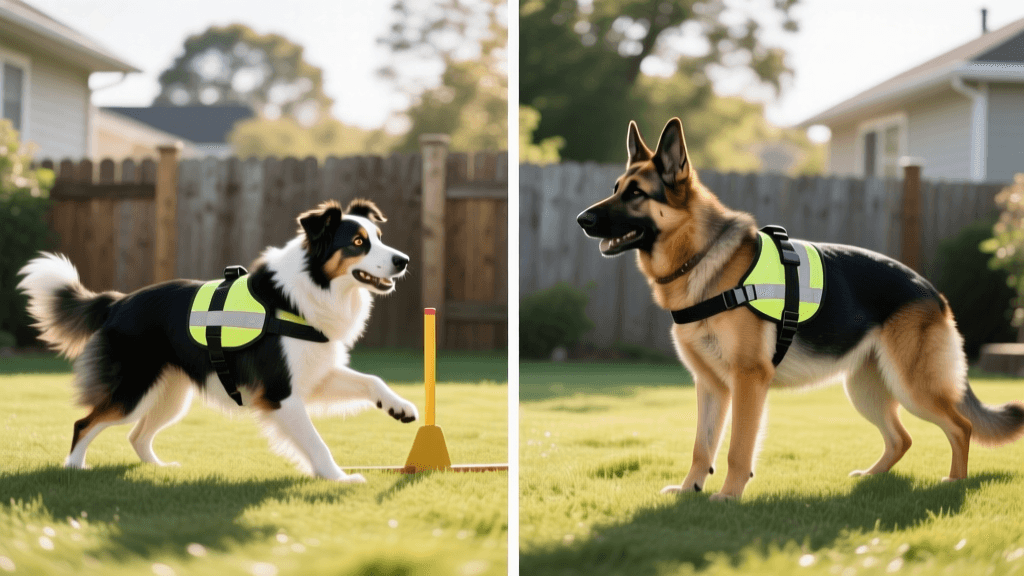
Selecting the right dog breed is a monumental decision, especially when you are drawn to highly intelligent, driven working breeds. The Border Collie and the German Shepherd Dog (GSD) consistently rank among the most trainable dogs in the world. However, experienced trainers know that 'trainability' does not necessarily mean 'easy to train.' Both breeds possess intense genetic drives that require specific behavioral conditioning, structured obedience routines, and dedicated mental stimulation. If you are trying to decide between these two iconic breeds, or if you are a new owner looking to optimize your training strategy, understanding their distinct psychological profiles is the first step toward success.
According to the American Kennel Club Border Collie Profile, this breed is defined by its intense herding instinct, boundless energy, and sensitivity to movement. They are visual learners who excel at agility and complex trick chains but can easily develop neurotic behaviors like shadow-chasing if under-stimulated. Conversely, the American Kennel Club German Shepherd Profile highlights a breed driven by loyalty, protection, and scent work. GSDs are naturally more aloof with strangers and require heavy emphasis on early socialization and confidence-building exercises to prevent fear-based reactivity.
Side-by-Side Training Comparison Chart
To help you visualize the distinct training requirements of these two breeds, review the comparison chart below. This data highlights the primary drives, ideal training styles, and common pitfalls associated with each breed.
| Training Feature | Border Collie | German Shepherd Dog |
|---|---|---|
| Primary Drive | Visual movement and herding | Handler engagement and protection |
| Ideal Training Style | Fast-paced, trick-heavy, agility | Structured, obedience, scent work |
| Socialization Focus | Desensitization to fast-moving objects | Neutrality to strangers and other dogs |
| Common Pitfalls | Nipping heels, chasing cars, OCD behaviors | Leash reactivity, over-guarding, anxiety |
| Daily Mental Exercise | 45 to 60 minutes of active problem solving | 30 to 45 minutes of structured obedience |
Critical Socialization Timelines and Strategies
For both breeds, the socialization window between 8 and 16 weeks of age is biologically critical. During this period, a puppy's brain is primed to accept new experiences without fear. The ASPCA Puppy Socialization Guide emphasizes that safe, positive exposure to diverse environments, sounds, and people is essential to prevent lifelong behavioral issues.
For the Border Collie, socialization must heavily target movement desensitization. You must expose your puppy to bicycles, skateboards, running children, and cars from a safe distance (at least 15 to 20 feet away), pairing the sight of these triggers with high-value treats like boiled chicken or freeze-dried liver. The goal is to teach the puppy that moving objects mean 'look at my handler for a reward' rather than 'chase and nip.'
For the German Shepherd, socialization should focus on environmental confidence and stranger neutrality. GSDs are genetically wired to be suspicious of outsiders. You should practice the 'treat and retreat' method: allow a stranger to toss a treat to the puppy without making direct eye contact or reaching over the puppy's head. This builds positive associations without triggering the dog's defensive instincts. Aim for 5 to 10 brief, positive exposures per day, keeping sessions under 15 minutes to avoid cognitive overload.
Essential Training Gear and Budgeting
Training high-octane working breeds requires specialized gear that can withstand intense pulling and rigorous outdoor use. Investing in the right equipment upfront will save you money and frustration in the long run. Here is a breakdown of the essential gear and estimated costs for your first year of training:
- Front-Clip Harness: A front-clip harness is vital for loose-leash walking, especially for the powerful German Shepherd. The Kurgo Tru-Fit Smart Harness ($25-$35) or the Ruffwear Front Range Harness ($40) are excellent, durable choices that redirect pulling momentum toward the handler.
- Long Line: For reliable recall training in open spaces, you need a long line. Avoid cotton or nylon ropes that burn your hands. Instead, invest in a 30-foot Biothane long line ($35-$45). Biothane is waterproof, mud-proof, and glides through grass without tangling.
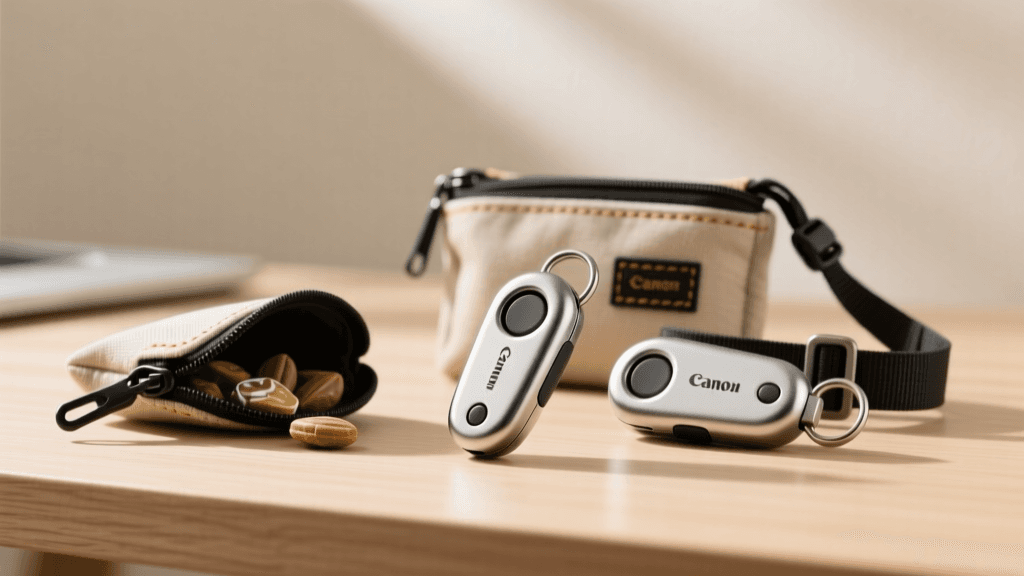
- Treat Pouch: Working breeds require rapid-fire reward delivery. A magnetic-closure pouch like the Doggone Good! Training Treat Pouch ($25) allows for split-second treat access, which is crucial for marking exact behaviors like a perfect 'sit' or a swift recall.
- Enrichment Toys: Mental stimulation is just as tiring as physical exercise. Stock up on the Kong Classic ($15) and the West Paw Toppl ($20). Stuff them with a mixture of plain Greek yogurt, pumpkin puree, and kibble, then freeze them overnight to provide 20 to 30 minutes of quiet chewing time.
Total Startup Gear Cost: Approximately $140 to $165. Additionally, budget $150 to $300 for a 6-week group obedience class or private behavioral consultation to establish a solid foundation.
Behavioral Conditioning: Impulse vs. Engagement
While both breeds are highly intelligent, their behavioral conditioning requires entirely different approaches based on their genetic makeup.
Border Collie: Mastering Impulse Control
The Border Collie's greatest strength is its lightning-fast reaction time; its greatest weakness is a lack of natural impulse control. To counteract this, trainers rely heavily on the 'It's Yer Choice' game, developed by agility expert Susan Garrett. This game teaches the dog that self-control yields the highest reward. You place a treat in your closed fist and wait. The dog will paw, sniff, and lick your hand. The exact millisecond the dog pulls its nose back and offers eye contact, you mark the behavior with a clicker or a verbal 'yes' and reward them from your other hand. Over weeks of practice, you progress to placing treats on the floor, teaching the dog that they must wait for a release cue ('break' or 'get it') before consuming the item. This conditioning is life-saving when it comes to preventing the dog from chasing cars or livestock.
German Shepherd: Building Engagement and Neutrality
German Shepherds are prone to leash reactivity and hyper-vigilance. The core of GSD training is building 'engagement'—the dog's willingness to focus on the handler despite environmental distractions. The 'Engage-Disengage' game is a staple for GSD owners. When your dog notices a trigger (like another dog across the street), you mark the moment they look at it ('yes!') and feed a treat. Eventually, the dog learns to look at the trigger and immediately look back at you for the reward, effectively disengaging from the threat. This rewires the dog's emotional response from 'alert and defend' to 'observe and check in with my human.'
Advanced Job Substitutes and Trick Training
A tired working dog is a good dog, but physical exercise alone will not exhaust a Border Collie or a German Shepherd. You must provide 'job substitutes' that mimic the tasks they were bred to perform.
- Treibball (Urban Herding): Ideal for Border Collies, this sport involves the dog herding large exercise balls (ranging from 45cm to 75cm in diameter) into a soccer-style goal using only their nose and shoulders. It satisfies the herding drive without the need for live sheep.
- Scent Work (Nosework): Perfect for the German Shepherd's tracking lineage. You can start at home by hiding birch-scented cotton swabs in cardboard boxes and rewarding the dog for finding the odor. This builds immense confidence in shy GSDs and tires them out mentally in just 15 minutes.
- Advanced Trick Chains: Both breeds excel at shaping. Teach them to clean up their toys by naming each toy, teaching them to pick it up, and then shaping them to drop it into a specific basket. This requires intense cognitive processing and strengthens the human-canine bond.
Final Verdict: Which Breed Fits Your Lifestyle?
Choosing between a Border Collie and a German Shepherd ultimately comes down to your lifestyle and training goals. If you are an active runner, a hiker, or an aspiring agility competitor who wants a fast, highly responsive partner that lives for movement and tricks, the Border Collie is your ideal match. However, you must be prepared to manage their intense visual triggers and provide rigorous impulse control training.
If you prefer a structured, loyal companion for obedience trials, scent work, or personal protection sports, and you are willing to dedicate significant time to early socialization and confidence-building, the German Shepherd is an unparalleled choice. Whichever breed you select, commit to daily 15-minute training blocks, utilize high-value rewards, and embrace the journey of living with a canine genius.
anouk-beaumont
All our authors care for dogs every day — read more of their work on the authors page.