Top Trainable Dog Breeds: Match Your Training Goals
Discover the best trainable dog breeds for your lifestyle. Compare breed intelligence, drive, and obedience to match your specific training goals today.
The Foundation of Successful Training: Breed Selection
When embarking on the journey of dog ownership, many prospective handlers focus heavily on aesthetics, size, or shedding profiles. However, if your primary objective involves advanced obedience, competitive agility, service work, or complex trick teaching, breed selection is unequivocally your first and most critical training decision. According to breed standards and behavioral profiles outlined by the American Kennel Club (AKC), a dog's genetic predisposition dictates its drive, biddability, and problem-solving approach. Selecting a breed that aligns with your specific training ambitions prevents mutual frustration and sets the stage for a harmonious partnership.
It is vital to understand that 'trainability' is not a monolithic trait. A breed that excels in independent scent-tracking may perform poorly in competitive heel-work, not due to a lack of intelligence, but because of divergent instinctive drives. By evaluating your personal lifestyle, time commitment, and ultimate training goals, you can identify the canine partner best equipped to thrive under your guidance.
Decoding Canine Intelligence: Working vs. Instinctive
To effectively compare breeds, we must look through the lens of canine psychology. Renowned canine researcher Dr. Stanley Coren categorizes dog intelligence into three distinct pillars: instinctive intelligence (what the dog was bred to do), adaptive intelligence (how well the dog learns from its environment), and working/obedience intelligence (how quickly the dog learns from humans). When we discuss 'trainable' breeds, we are usually referring to high working intelligence. However, high working intelligence often correlates with high energy and a constant need for mental stimulation.
Trainability does not necessarily equal ease of ownership. A highly trainable dog is simply a dog that learns quickly—which means it will learn bad habits just as fast as good ones if left unguided.
For instance, herding breeds possess immense working intelligence but also high instinctive intelligence for chasing and nipping. Without proper behavioral conditioning, this instinctive drive can manifest as reactivity. Conversely, hounds possess incredible instinctive intelligence for tracking but may rank lower in working obedience because they are bred to work independently at a distance from their handlers.
Comparative Analysis: Trainability Across Breed Groups
Below is a comparative overview of popular breeds categorized by their optimal training environments, inherent drives, and the estimated financial and temporal investments required to reach advanced obedience milestones.
| Breed | Primary Training Goal | Working Drive | Daily Mental/Physical Need | Est. Annual Training Cost |
|---|---|---|---|---|
| Border Collie | Agility, Advanced Tricks, Herding | Very High | 2+ hours active engagement | $800 - $1,500 |
| Golden Retriever | Service Work, Therapy, Obedience | High | 1 - 1.5 hours | $400 - $800 |
| Belgian Malinois | Protection, Bite Sports, Tactical | Extreme | 2 - 3 hours rigorous work | $1,500 - $3,000 |
| Labrador Retriever | Hunting, Retrieval, Family Obedience | High | 1 - 1.5 hours | $400 - $800 |
| Shiba Inu | Basic Manners, Scent Puzzles | Low/Moderate | 45 - 60 minutes | $200 - $500 |
| Basset Hound | Scent Work, Tracking | Low (for obedience) | 45 minutes sniffing | $300 - $600 |
The Herding Group: High Drive and Focus
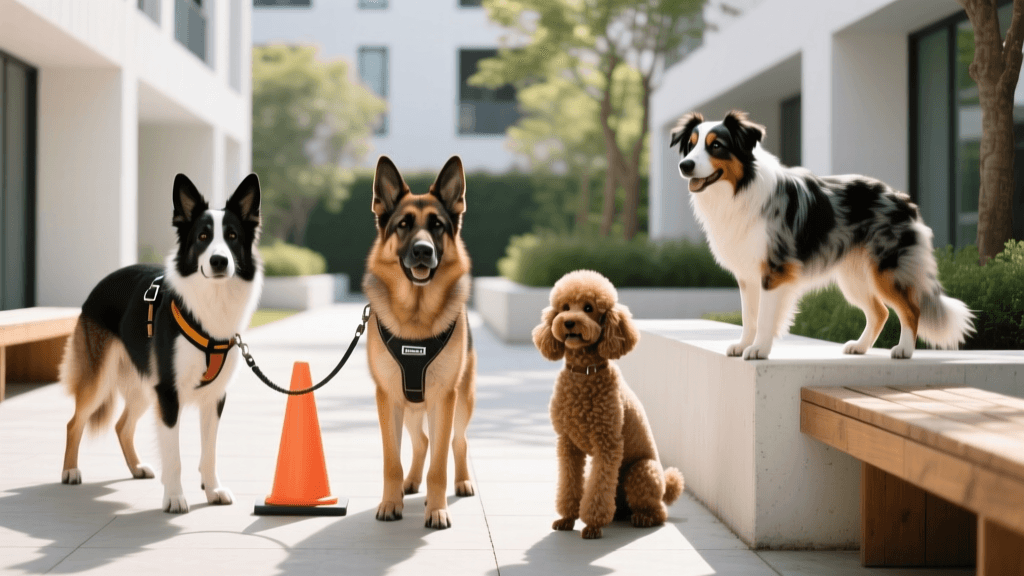
Breeds like the Border Collie, Australian Shepherd, and Shetland Sheepdog are the undisputed champions of competitive dog sports. Their genetic wiring makes them hyper-attuned to their handler's body language and vocal cues. For agility and advanced trick training, these breeds are unparalleled. However, they require structured mental enrichment. Incorporating tools like the Outward Hound Nina Ottosson Dog Brick Puzzle ($15-$30) or engaging in daily 15-minute shaping sessions with a standard i-Click clicker ($5) is mandatory to prevent neurotic behaviors such as shadow-chasing or excessive barking.
The Sporting Group: Biddability and Retrieval Drive
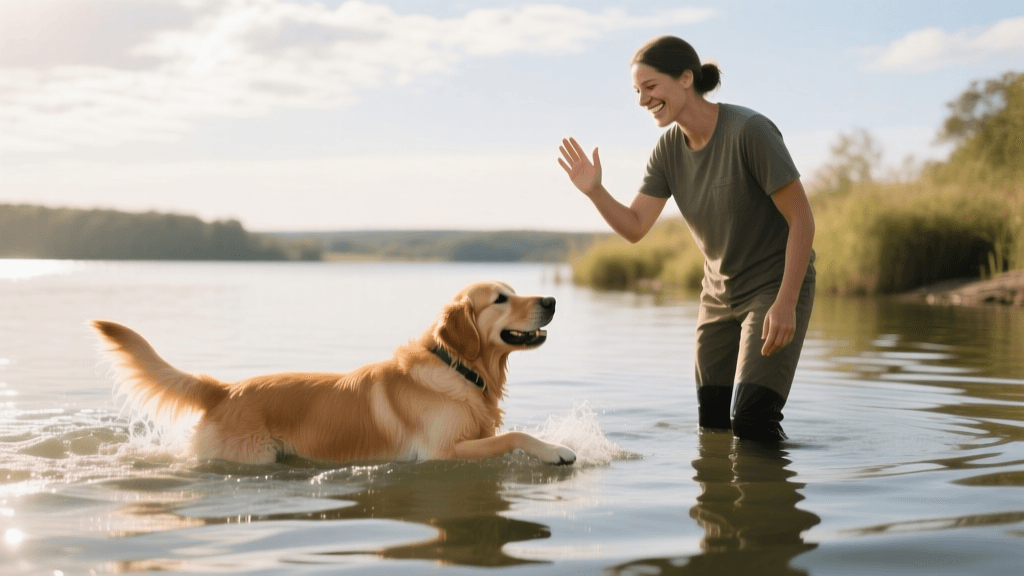
Golden Retrievers and Labrador Retrievers are the gold standards for service and therapy work. Their hallmark trait is 'biddability'—an innate desire to please their handler and work cooperatively. When training these breeds for off-leash reliability or complex retrieval tasks, utilizing a 30-foot Biothane long line ($40-$60) ensures safety while building a robust recall. Their food and toy motivation makes them highly responsive to positive reinforcement, though handlers must be mindful of their tendency to become mouthy or overly boisterous during adolescence.
The Hound and Terrier Groups: Independent Problem Solvers
If your goal is competitive obedience or heel-work, independent breeds like the Shiba Inu, Afghan Hound, or Jack Russell Terrier will test your patience. As noted in behavioral resources provided by the ASPCA, breeds developed to hunt vermin or track game independently do not naturally look to humans for direction. Training these breeds requires high-value reinforcement, such as Zuke's Mini Naturals or freeze-dried liver, and shorter, highly engaging 5-to-10-minute sessions. They excel in sports like AKC Scent Work or Barn Hunt, where their independent instincts are channeled into a structured game.
Financial and Time Investments in Breed-Specific Training
Selecting a trainable breed also means budgeting for the appropriate education. High-drive working breeds often require professional guidance to channel their energy safely. Here is a realistic breakdown of training costs and time commitments:
- Group Obedience Classes: Ideal for foundational manners and socialization in low-distraction environments. Expect to pay $150 to $300 for a 6-week course, meeting for one hour per week.
- Private Behavioral Conditioning: Necessary for high-drive breeds showing leash reactivity or resource guarding. Certified professionals typically charge $120 to $250 per hour. A standard behavior modification package ranges from $800 to $2,000.
- Board and Train Programs: For owners lacking the daily time to condition a Malinois or Working Line German Shepherd, immersive programs cost between $1,500 and $3,500 for 2 to 4 weeks of daily, rigorous training.
- Daily Time Investment: Regardless of budget, expect to dedicate 45 to 90 minutes daily to active training, structured play, and decompression walks (sniffaris) to maintain your dog's psychological baseline.
Actionable Steps for Matching Your Lifestyle to a Breed
Before committing to a breeder or rescue, conduct an honest audit of your environment and schedule. Use the following checklist to ensure your selection aligns with your training realities:
- Assess Your Living Space: If you live in an apartment with shared walls, avoid vocal herding breeds or high-arousal protection breeds. Opt for biddable, lower-energy companions like a Cavalier King Charles Spaniel or a retired racing Greyhound.
- Evaluate Your Physical Capabilities: Training a 90-pound livestock guardian or a powerful pulling breed requires physical strength. If you have mobility limitations, select a breed under 40 pounds with a soft mouth and low pulling drive.
- Invest in the Right Gear Early: Match your equipment to the breed's anatomy and drive. Sighthounds require martingale collars to prevent slipping, while strong pullers may require a well-fitted front-clip harness or a head halter for initial leash-pressure conditioning.
- Capitalize on the Socialization Window: For any breed, the critical socialization period occurs between 8 and 16 weeks of age. Plan your puppy's arrival during a time when you can safely expose them to novel surfaces, sounds, and neutral dogs without overwhelming their nervous system.
Conclusion
Ultimately, the most trainable dog is the one whose genetic blueprint aligns seamlessly with your lifestyle, expectations, and training ambitions. A Border Collie is a masterpiece of obedience in the hands of an active agility competitor, but a nightmare for a sedentary owner seeking a couch companion. By understanding the nuances of working versus instinctive intelligence, budgeting for professional support, and utilizing breed-specific conditioning tools, you can forge an unbreakable bond built on mutual understanding and clear communication.
priya-sutaria
All our authors care for dogs every day — read more of their work on the authors page.