Puppy Teething Timeline: Stages, Symptoms, and Best Soothing Toys
Navigate your puppy's teething stages with our week-by-week timeline. Discover symptoms, safe soothing toys, and tips to save your furniture.
Understanding the Puppy Teething Process
Bringing a new puppy home is an exciting milestone, but it often comes with a sharp, painful reality: teething. Just like human babies, puppies go through a developmental stage where their baby teeth fall out and are replaced by adult teeth. This process can cause significant discomfort, leading to excessive chewing, whining, and even changes in eating habits. Understanding the biological timeline of puppy teething is the first step toward saving your furniture, shoes, and fingers from destructive chewing.
According to the VCA Animal Hospitals, puppies are born without teeth. Their first set of deciduous teeth, commonly known as baby teeth, begin to erupt at just a few weeks of age. By the time they reach adulthood, they will have a full set of 42 permanent teeth. Navigating this transition requires patience, proper training, and the right soothing tools.
The Week-by-Week Puppy Teething Timeline
While every dog breed and individual puppy develops at a slightly different rate, the general timeline for teething follows a predictable pattern. Here is what you can expect during your puppy's first year.
Weeks 2 to 4: Baby Teeth Emerge
During this early stage, puppies are usually still with their breeder and nursing. The sharp, needle-like incisors are the first to break through the gums. Puppies have 28 deciduous teeth in total, and they all typically erupt by the time the puppy is 8 weeks old. Because these teeth are incredibly sharp, this is when mother dogs often begin to wean their puppies, as nursing becomes uncomfortable.
Weeks 5 to 8: Full Set of Deciduous Teeth
By the time you bring your puppy home at 8 weeks, they should have a full set of 28 baby teeth. This includes incisors, canines (the long fangs), and premolars. At this stage, puppies explore the world with their mouths, and you will notice them chewing on everything in sight to relieve gum pressure.
Weeks 12 to 16: The Shedding Phase Begins
This is the most noticeable stage of teething. The roots of the baby teeth begin to resorb (dissolve), causing the teeth to loosen and fall out. You might find tiny teeth on the floor, in your puppy's bedding, or stuck in a chew toy. However, it is also completely normal for puppies to swallow their baby teeth while eating. The incisors are usually the first to go, followed by the canines and premolars.
Months 4 to 6: Adult Teeth Push Through
As the baby teeth fall out, the 42 permanent adult teeth begin to erupt. This can cause the gums to become swollen, red, and prone to minor bleeding. The American Kennel Club (AKC) notes that during this window, puppies may experience a temporary drop in appetite or chew more aggressively to relieve the deep ache in their jawbones.
Months 6 to 8: The Final Adult Set
By the time your puppy is 6 to 8 months old, all 42 adult teeth should be fully erupted. If any baby teeth remain after this period, they are considered 'retained' and require veterinary attention.
Common Teething Symptoms to Watch For
How do you know if your puppy is teething or just being mischievous? Look out for these clinical and behavioral signs:
- Excessive Chewing: A sudden, intense desire to gnaw on furniture, baseboards, and shoes.
- Drooling: Increased saliva production is common as the gums become irritated.
- Bleeding Gums: You may notice small spots of blood on their chew toys or in their water bowl.
- Whining or Irritability: Discomfort can make puppies more vocal or restless, especially at night.
- Changes in Eating Habits: Puppies may eat slower, drop kibble, or hesitate to eat hard dry food.
- Missing Teeth: Finding tiny, hollow baby teeth around the house.
Best Soothing Toys and Remedies (With Costs)
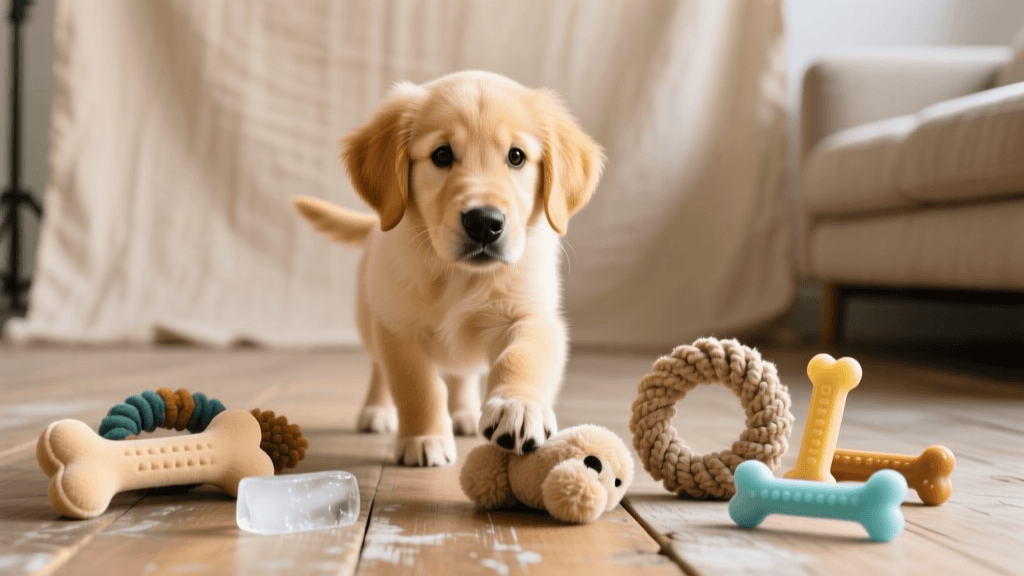
To protect your belongings and soothe your puppy's aching gums, you must provide appropriate outlets for their chewing instinct. Here are the most effective, veterinarian-approved soothing strategies, complete with estimated costs and sizing.
1. The Classic KONG Puppy Toy ($15 - $20)
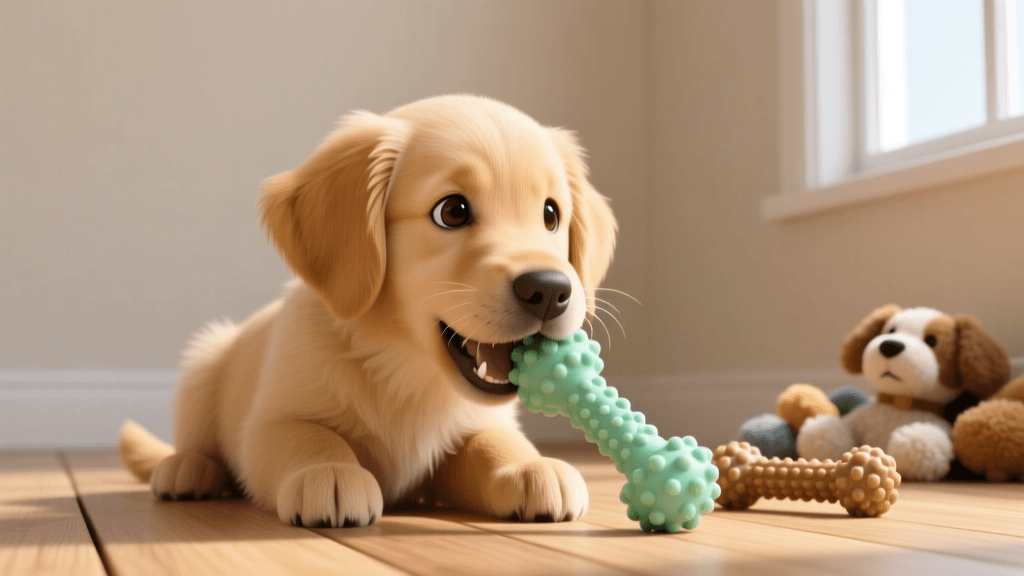
Made from a softer, puppy-specific rubber formula, the KONG is a staple for teething. For maximum relief, plug the small hole with peanut butter (ensure it is xylitol-free), fill the toy with a mixture of plain yogurt and mashed bananas, and freeze it for 3 to 4 hours. The cold temperature numbs the gums while the textured rubber massages the jaw. Sizing tip: Get the 'Small' for dogs under 20 lbs, and 'Medium' for dogs 20-50 lbs.
2. Nylabone Puppy Chew ($8 - $12)
Designed specifically for puppies without adult teeth, these nylon chews feature raised bristles that help clean teeth and massage gums. They are flavored with chicken or bacon to encourage chewing on the toy rather than your shoes. Never give a puppy an adult Nylabone, as the hard nylon can fracture their delicate baby teeth.
3. DIY Frozen Carrots and Washcloths ($2 - $5)
For a budget-friendly, natural remedy, peel and boil large carrots for 3 minutes, then freeze them solid. The crunch provides excellent resistance. Alternatively, wet a clean cotton washcloth, twist it into a tight rope, and freeze it for 2 hours. The icy fabric provides incredible relief for inflamed gums.
Teething Toy Safety Comparison Chart
Not all chew toys are safe for teething puppies. Use this chart to ensure you are selecting the right materials for your dog's developmental stage.
| Toy Type | Material | Best For | Estimated Cost | Safety Rating |
|---|---|---|---|---|
| KONG Puppy | Soft Rubber | Stuffing & Freezing | $15 - $20 | Excellent |
| Nylabone Puppy | Soft Nylon | Aggressive Chewers | $8 - $12 | Very Good |
| Frozen Carrots | Natural Vegetable | Quick Numbing Relief | $2 - $5 | Excellent |
| Rawhide Bones | Processed Hide | Adult Dogs Only | $10 - $20 | Poor (Choking Risk) |
| Antlers / Hooves | Bone / Keratin | Adult Dogs Only | $15 - $30 | Poor (Fracture Risk) |
Training Bite Inhibition During Teething
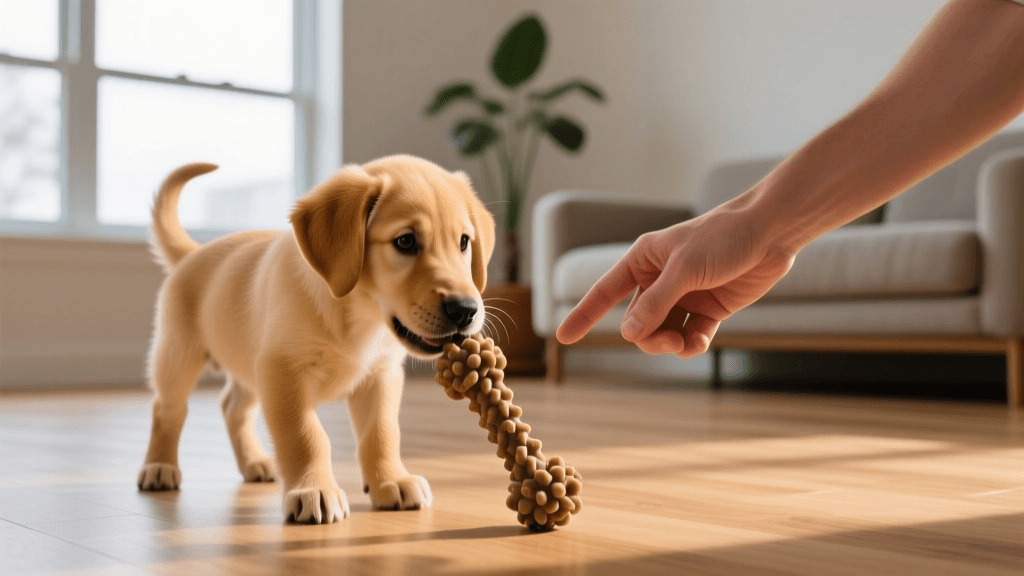
Teething puppies will inevitably try to chew on human hands. It is crucial to teach 'bite inhibition' during this 4-to-6-month window. When your puppy's teeth touch your skin, immediately let out a high-pitched 'Ouch!' or yelp, and withdraw your hand. Stand up and ignore the puppy for 15 to 30 seconds. This mimics the behavior of littermates, teaching the puppy that human skin is entirely off-limits. Always redirect their chewing energy to a frozen KONG or approved toy immediately after the timeout.
When to See a Veterinarian
While teething is a natural process, complications can arise. The most common issue is retained deciduous teeth, often referred to as 'double fangs.' This occurs when the baby tooth does not fall out, and the adult tooth erupts alongside it. This can lead to severe crowding, misalignment of the jaw (malocclusion), and trapped food that causes early periodontal disease.
'If a puppy's baby teeth do not fall out on their own, they should be surgically extracted by a veterinarian to prevent long-term dental and jaw issues.' - VCA Animal Hospitals
Schedule a veterinary check-up if you notice any of the following:
- Baby teeth remaining past 6 months of age.
- Severe swelling, pus, or foul odor coming from the mouth.
- Complete refusal to eat for more than 24 hours.
- Excessive pawing at the face or signs of severe oral pain.
Conclusion
The puppy teething phase is a temporary but demanding stage of your dog's early life. By understanding the week-by-week timeline, recognizing the symptoms, and providing safe, cold, and textured chewing alternatives, you can ease your puppy's discomfort. Invest in high-quality rubber toys, utilize your freezer for DIY remedies, and practice consistent bite inhibition training. Before you know it, your puppy will have a healthy, strong set of adult teeth, and your favorite pair of shoes will have survived the ordeal intact.
aaron-whyte
All our authors care for dogs every day — read more of their work on the authors page.