Best Long Training Lines for Reliable Dog Recall
Discover the best long training lines for dog recall. Compare top biothane, cotton, and nylon leads with our expert buyer's guide and training tips.
The Ultimate Buyer’s Guide to Long Training Lines
Teaching your dog a reliable recall is one of the most critical skills you can instill as a pet owner. It provides your dog with the freedom to explore, sniff, and exercise, while giving you the peace of mind that they will return to you when called. However, transitioning from a standard 6-foot leash to off-leash freedom is a massive leap that often results in failed recalls and frustrated owners. The missing link in this training progression is the long training line.
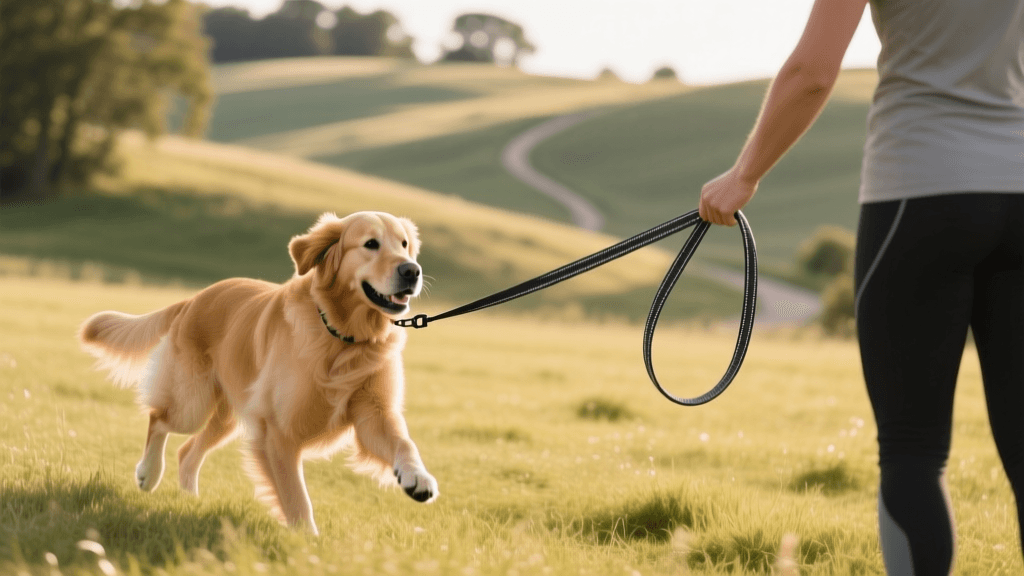
A long training line (often called a longe line or check cord) bridges the gap between being leashed and being off-leash. It allows your dog to experience the illusion of freedom while you maintain a physical safety net. In this comprehensive product review and buyer’s guide, we will break down the best long training lines on the market, analyze the materials, and provide a step-by-step methodology for using them effectively in your obedience training regimen.
Why You Need a Long Training Line
According to the American Kennel Club (AKC), dogs do not generalize commands easily. A dog that comes when called in your living room may completely ignore you when a squirrel darts across a park. A long line allows you to ‘proof’ the recall command in highly distracting environments without losing control. If your dog ignores the verbal cue, you can gently reel them in or apply light pressure, ensuring that the command is followed every single time. This prevents the dog from learning that ignoring you is an option.
‘A reliable recall is not just a convenience; it is a vital life-saving skill that prevents dogs from running into traffic, encountering wildlife, or getting lost.’
Material Breakdown: Biothane vs. Cotton vs. Nylon
When shopping for a training lead, the material is the single most important factor. It dictates the durability, weight, and safety of the line.
1. Biothane (The Gold Standard)
Biothane is a polyester webbing with a TPU or PVC coating. It is waterproof, dirt-proof, and incredibly strong. Unlike fabric lines, Biothane does not absorb water, meaning it will not become heavy, smelly, or moldy after a wet training session in the grass. It glides through your hands easily but requires a specific gripping technique to avoid friction burns if a large dog bolts.
2. Cotton (The Traditional Choice)
Cotton web lines offer excellent grip and are very gentle on the hands. They are ideal for beginners who are nervous about handling a long line. However, cotton absorbs water and dirt like a sponge. A 50-foot cotton line can become incredibly heavy when wet, and it takes hours to dry, making it prone to mildew if not stored properly.
3. Nylon (The Budget Option)
Nylon lines are cheap and widely available in big-box pet stores. While they are lightweight, they are notorious for causing severe rope burn if the line slides quickly through your bare hands. They also tangle easily and can become stiff over time. We generally recommend avoiding standard nylon for dogs over 30 pounds.
Sizing Guide: Length and Width
Selecting the correct dimensions for your dog’s size and your training environment is crucial for safety and effectiveness.
- Width: For small dogs (under 30 lbs), a 1/2-inch width is sufficient and keeps the line lightweight. For medium to large dogs (30-70 lbs), opt for a 3/4-inch width. For giant breeds or strong pullers (70+ lbs), a 1-inch width provides the necessary tensile strength and is easier to grip.
- Length: A 15-foot line is best for urban environments and basic obedience. A 30-foot line is the sweet spot for suburban parks and general recall practice. A 50-foot to 100-foot line is reserved for open fields, boundary training, and advanced off-leash proofing.
Top Long Training Lines Compared
| Brand & Model | Material | Best For | Length Options | Approx. Cost |
|---|---|---|---|---|
| Mendota Products Biothane | Biothane | Overall Durability | 15, 20, 30, 50 ft | $45 - $65 |
| Signature K9 Tracking Lead | Biothane | Professional / Heavy Duty | 20, 33, 50 ft | $50 - $75 |
| PetSafe Cotton Training Lead | Cotton | Budget / Beginners | 15, 30 ft | $12 - $18 |
| LupinePet Long Line | Nylon | Lightweight / Small Dogs | 15, 20, 30 ft | $15 - $22 |
In-Depth Product Reviews
1. Best Overall: Mendota Products Biothane Long Line
Mendota is a staple in the dog training community, and their Biothane line is a masterpiece of functional design. It features solid brass or stainless steel hardware, which is essential because cheap zinc-alloy snaps can shatter under the sudden kinetic force of a sprinting dog. The Biothane material is virtually indestructible, wipes clean with a damp cloth, and remains flexible even in freezing winter temperatures. While the upfront cost is higher, it will easily outlast five cotton lines, making it the most cost-effective choice in the long run.
2. Best Premium: Signature K9 Biothane Tracking Lead
Designed for police K9 units, search and rescue, and professional obedience handlers, Signature K9 leads are over-engineered in the best way possible. They use heavy-duty rivets instead of standard stitching at the snap connection point. If you have a powerful breed like a Malinois, German Shepherd, or Husky, the extra security of the riveted hardware provides immense peace of mind. The grip texture is slightly more aggressive than standard Biothane, reducing slippage in wet conditions.
3. Best Budget: PetSafe Cotton Web Training Lead
If you are just starting your training journey and are unsure if you will stick with it, the PetSafe cotton lead is an accessible entry point. The cotton material is soft on the hands and easy to tie around your waist for hands-free walking. However, be prepared to replace it after a few months of heavy use, as the cotton fibers will fray and the metal snap hook is relatively lightweight. It is best suited for small to medium dogs in dry weather conditions.
How to Use a Long Line for Recall Training
Buying the right equipment is only half the battle. According to The Humane Society of the United States, positive reinforcement and proper timing are the keys to a bulletproof recall. Here is a step-by-step guide to using your new long line.
Phase 1: The Orientation Game (Days 1-7)
Attach the long line to your dog’s harness and let them drag it in a safe, enclosed area. Do not hold the end yet. Let them get used to the weight and the feeling of the line trailing behind them. Occasionally step on the line to stop them, call their name, and reward them with a high-value treat (like boiled chicken or freeze-dried liver) when they look at you. This builds a positive association with the line.
Phase 2: Adding Tension and Distance (Weeks 2-4)
Hold the end of the line loosely. Allow your dog to wander 15 to 20 feet away. Say your recall cue (e.g., ‘Come!’ or a whistle) exactly once. If the dog turns and runs to you, reward them within 0.5 to 1 second of their arrival. If they ignore you, do not repeat the cue. Instead, apply gentle, steady backward pressure on the long line to guide them toward you. When they move toward you, release the pressure and praise them. This teaches the dog that the cue is mandatory, not optional.
Phase 3: The Premack Principle (Weeks 5+)
Advanced training involves using the environment as a reward. The ASPCA advocates for using real-life rewards. If your dog wants to sniff a bush, ask for a recall on the long line. When they return to you, reward them by releasing them to go sniff the bush. This teaches the dog that coming to you does not mean the end of their fun; it is simply a checkpoint before more freedom.
Critical Safety Rules for Long Line Training
Long lines can be dangerous if used improperly. Always adhere to these safety protocols to protect both you and your dog.
- Never Attach to a Collar: If a 60-pound dog hits the end of a 50-foot line at a full sprint, the kinetic energy transferred to a flat neck collar can cause severe tracheal collapse, cervical whiplash, or spinal injury. Always attach a long line to a well-fitted, back-clip body harness.
- Watch Your Fingers: Never wrap the long line around your hand, wrist, or fingers. If the dog bolts, the line can act like a tourniquet or cause severe friction burns, potentially leading to degloving injuries. Always hold the line in a loose grip or use the handle loop.
- Step, Don’t Grab: If your dog is running toward danger and you need to stop them quickly, do not grab the thin line with your bare hands. Instead, firmly step on the line with the sole of your shoe. This will safely anchor the dog using your body weight without burning your hands.
- Manage the Slack: Do not let the line drag in areas with dense brush, thorns, or other dogs, as it can easily become tangled and cause panic. Use a technique called ‘folding’ to gather the excess slack into large loops in your non-dominant hand as your dog moves closer to you.
Final Verdict
Investing in a high-quality long training line is one of the most impactful purchases you can make for your dog’s obedience and safety. While cotton and nylon lines have their place for beginners and small dogs, a premium Biothane line from Mendota or Signature K9 is the undisputed champion for serious recall training. It offers the perfect balance of durability, safety, and weather resistance. Pair the right equipment with consistent, positive reinforcement training, and you will be well on your way to enjoying safe, off-leash adventures with your canine companion.
jonas-cole
All our authors care for dogs every day — read more of their work on the authors page.