Senior Dog Care Guide: Managing Joints and Cognitive Decline
Discover essential senior dog care tips for managing joint pain and cognitive decline. Learn about supplements, diet, and vet care for aging dogs.
Defining the Senior Life Stage
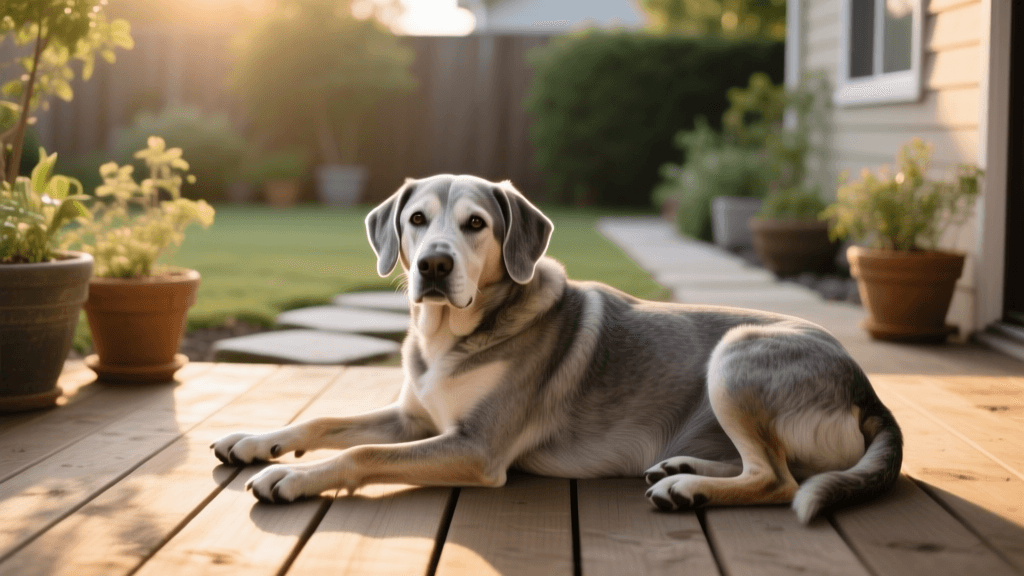
As our canine companions age, their physiological and psychological needs shift dramatically. Transitioning into the senior life stage requires a proactive approach to veterinary care, nutrition, and environmental management. According to the American Veterinary Medical Association (AVMA), the onset of seniority depends heavily on breed size. Small breeds (under 20 lbs) may not be considered senior until 10 to 12 years of age, whereas giant breeds (over 90 lbs) can enter their golden years as early as 5 or 6 years old. Understanding these timelines is crucial for implementing early interventions against age-related conditions.
This comprehensive guide focuses on two of the most prevalent and impactful conditions affecting aging dogs: osteoarthritis (joint degeneration) and Canine Cognitive Dysfunction (CCD). By combining targeted supplementation, environmental modifications, and mental enrichment, you can significantly enhance your senior dog's quality of life.
Managing Joint Health and Osteoarthritis
Recognizing the Subtle Signs of Pain
Osteoarthritis (OA) is a degenerative joint disease that affects an estimated 80% of dogs over the age of eight. Unlike humans, dogs rarely vocalize chronic pain. Instead, they exhibit subtle behavioral changes. Watch for hesitation before jumping into the car, a 'bunny-hopping' gait when running, excessive licking of the carpal or tarsal joints, and a general reluctance to go on walks. Morning stiffness that improves with mild movement is a hallmark clinical sign of OA.
Targeted Supplements and Pharmaceuticals
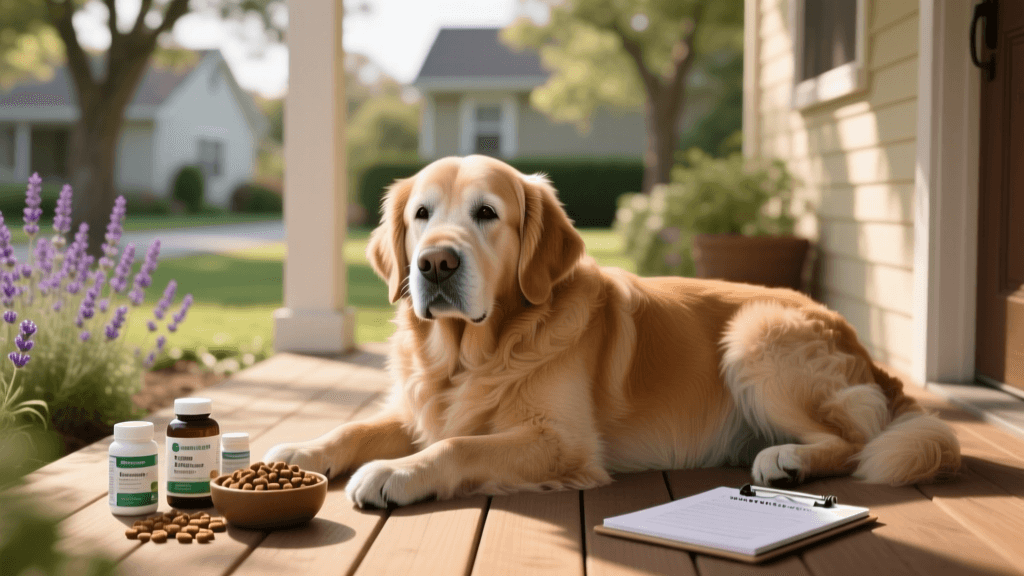
Managing joint health requires a multimodal approach. Over-the-counter joint supplements are a cornerstone of daily maintenance. Look for products containing a synergistic blend of Glucosamine Hydrochloride, Chondroitin Sulfate, and Avocado/Soybean Unsaponifiables (ASU). For example, Dasuquin Advanced is a highly recommended veterinary supplement that includes Boswellia serrata for additional anti-inflammatory support. Expect to spend approximately $60 to $80 per month for a large breed dog.
For systemic inflammation, Omega-3 fatty acids are vital. The recommended therapeutic dosage for joint support is 75 to 100 mg per kilogram of body weight of combined EPA and DHA daily. Nordic Naturals Omega-3 Pet is a trusted, third-party-tested liquid fish oil that makes dosing precise.
When supplements are no longer sufficient, veterinary prescription medications become necessary. While traditional NSAIDs like Carprofen are effective, newer targeted therapies offer safer long-term profiles for senior dogs with compromised kidney or liver function. Galliprant (grapipant) targets the EP4 prostaglandin receptor specifically responsible for OA pain and inflammation. More recently, Librela (bedinvetmab), a monthly monoclonal antibody injection administered by your veterinarian, has revolutionized OA pain management by neutralizing Nerve Growth Factor (NGF). Librela typically costs between $100 and $180 per month, depending on the dog's weight.
Environmental Modifications for Mobility
Adapting your home environment reduces mechanical stress on aging joints. Replace slippery hardwood floors with interlocking foam mats or secure non-slip area rugs to prevent splaying and hip strain. Invest in a high-quality orthopedic bed; the Big Barker 7-Inch Orthopedic Dog Bed utilizes therapeutic foam clinically proven to improve joint function and reduce pain. Though it represents a significant investment (approximately $240+), its 10-year guarantee makes it a staple for senior large-breed owners.
Eliminate the need for stair climbing by installing pet ramps. The PetSTEP Original Folding Pet Ramp supports up to 500 lbs and features a high-traction ridged surface, making vehicle loading safe and pain-free.
Navigating Canine Cognitive Dysfunction (CCD)
The DISHAA Assessment Framework
Canine Cognitive Dysfunction (CCD) is the canine equivalent of Alzheimer's disease in humans. The American Kennel Club (AKC) notes that over 68% of dogs aged 15 and older exhibit at least one sign of cognitive decline. Veterinary behaviorists utilize the DISHAA acronym to help owners identify early symptoms:
- D - Disorientation: Wandering aimlessly, getting stuck behind furniture, or failing to recognize familiar rooms.
- I - Interactions: Decreased enthusiasm when greeting owners, increased irritability, or uncharacteristic clinginess.
- S - Sleep-Wake Cycle: Pacing, panting, or vocalizing late at night while sleeping heavily during the day.
- H - House Soiling: Forgetting previously learned housetraining cues or eliminating indoors without signaling to go out.
- A - Activity Levels: Apathy, decreased exploration, or the development of repetitive behaviors like corner-staring or excessive paw-licking.
- A - Anxiety: New fears of loud noises, separation anxiety, or trembling in previously comfortable environments.
If your dog exhibits two or more of these signs, consult a veterinarian to rule out metabolic diseases, sensory loss (deafness/blindness), or neurological tumors before confirming a CCD diagnosis.
Nutritional Support for Brain Health
The aging canine brain struggles to metabolize glucose efficiently. Medium-Chain Triglycerides (MCTs) provide an alternative energy source for the brain in the form of ketones. Diets specifically formulated for cognitive support, such as Purina Pro Plan Bright Mind or Hill's Prescription Diet b/d, are fortified with MCTs, antioxidants (Vitamin E and C), and mitochondrial cofactors like L-carnitine and alpha-lipoic acid. Clinical studies show that dogs fed MCT-enriched diets demonstrate improved attention, spatial learning, and memory retention within 30 to 90 days.
Mental Enrichment and Routine
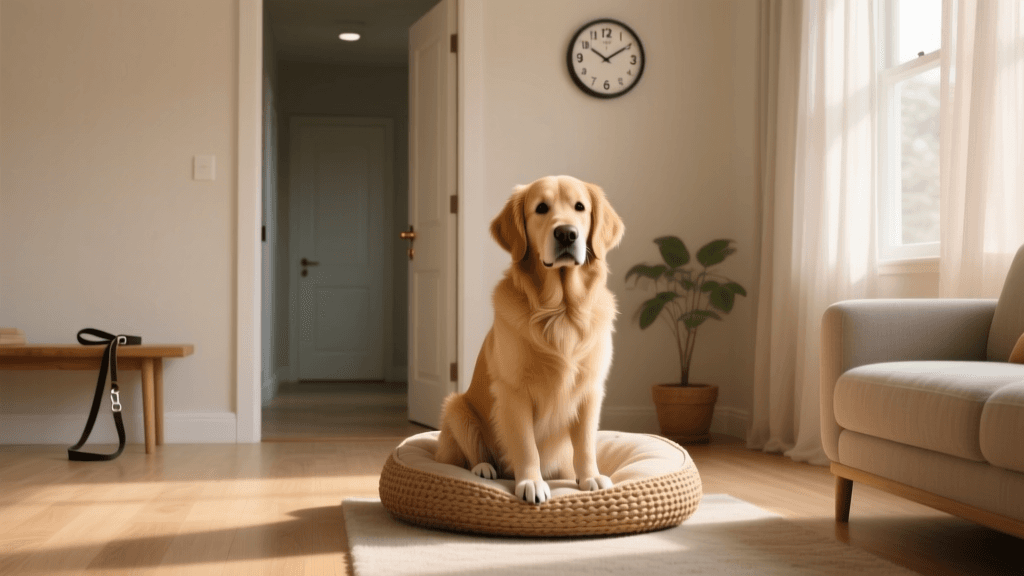
Neuroplasticity—the brain's ability to form new neural connections—can be stimulated well into a dog's senior years. Maintain a strict daily routine for feeding and walking to reduce anxiety. Introduce low-impact mental enrichment activities. Snuffle mats encourage natural foraging behaviors and provide excellent mental fatigue without physical strain. Puzzle toys, such as the Outward Hound Nina Ottosson Dog Brick, require the dog to use their paws and nose to uncover hidden treats, keeping neural pathways active. Keep training sessions short (3 to 5 minutes) to prevent frustration, utilizing high-value, soft treats like freeze-dried liver.
Senior Dog Joint Supplement Comparison
Choosing the right joint support can be overwhelming. Below is a comparison of popular veterinary-recommended options to help you make an informed decision based on your dog's specific needs and your budget.
| Product Name | Key Active Ingredients | Best For | Approx. Monthly Cost |
|---|---|---|---|
| Dasuquin Advanced | Glucosamine, Chondroitin, ASU, Boswellia | Moderate to Severe OA | $60 - $80 |
| Cosequin Senior | Glucosamine, Chondroitin, Omega-3s | Mild OA & Maintenance | $30 - $45 |
| Nordic Naturals Omega-3 Pet | EPA, DHA (Fish Oil) | Inflammation & Coat Health | $25 - $35 |
| Galliprant (Rx) | Grapipant (EP4 Receptor Antagonist) | Severe OA Pain (Prescription) | $100 - $150 |
The Optimal Veterinary Preventive Schedule
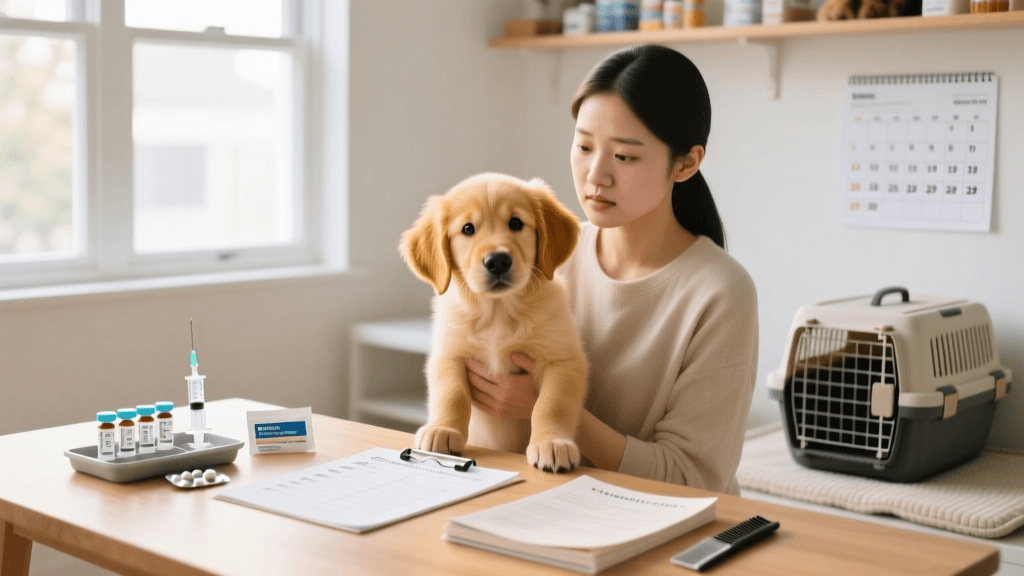
As dogs enter their senior years, the standard annual veterinary visit is no longer sufficient. The Washington State University Veterinary Teaching Hospital and other leading institutions recommend bi-annual (every six months) wellness exams for senior pets. Because dogs age roughly four to seven times faster than humans, a six-month gap equates to several human years, allowing for the rapid progression of undetected diseases.
A comprehensive senior blood panel should be performed annually at a minimum. This panel must include a Complete Blood Count (CBC), a full chemistry profile (highlighting kidney and liver enzymes), a thyroid panel (T4), and a urinalysis. Early detection of conditions like chronic kidney disease (CKD) or hypothyroidism allows for dietary and pharmaceutical interventions that can add years to your dog's life. Additionally, senior dogs are highly susceptible to periodontal disease, which is directly linked to systemic inflammation and heart valve infections. Regular professional dental cleanings under anesthesia, guided by pre-anesthetic bloodwork, are essential for maintaining overall systemic health.
Conclusion
Caring for a senior dog is a profound responsibility that requires patience, observation, and a willingness to adapt. By proactively managing joint health through targeted supplements and environmental support, and by nurturing their aging brain with specialized nutrition and enrichment, you can ensure your dog's twilight years are comfortable and joyful. Always partner closely with your veterinarian to tailor these life stage care strategies to your dog's unique medical history, ensuring they receive the highest standard of care they so richly deserve.
aaron-whyte
All our authors care for dogs every day — read more of their work on the authors page.