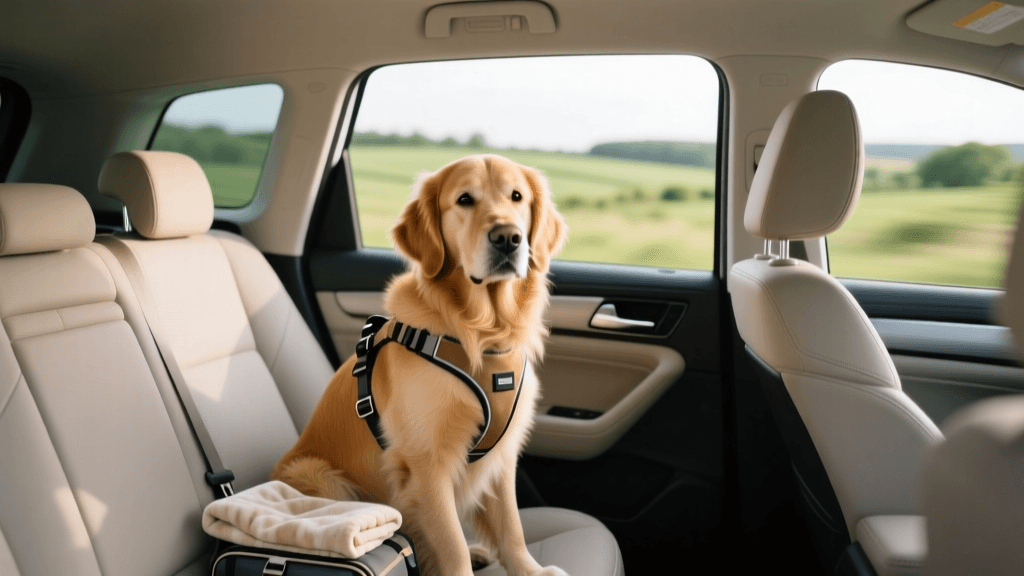
Best Dog Car Harnesses and Seat Belts for Safe Travel
Discover the best dog car harnesses and seat belts for safe travel. Compare top crash-tested brands, sizing tips, and safety features for your pup.
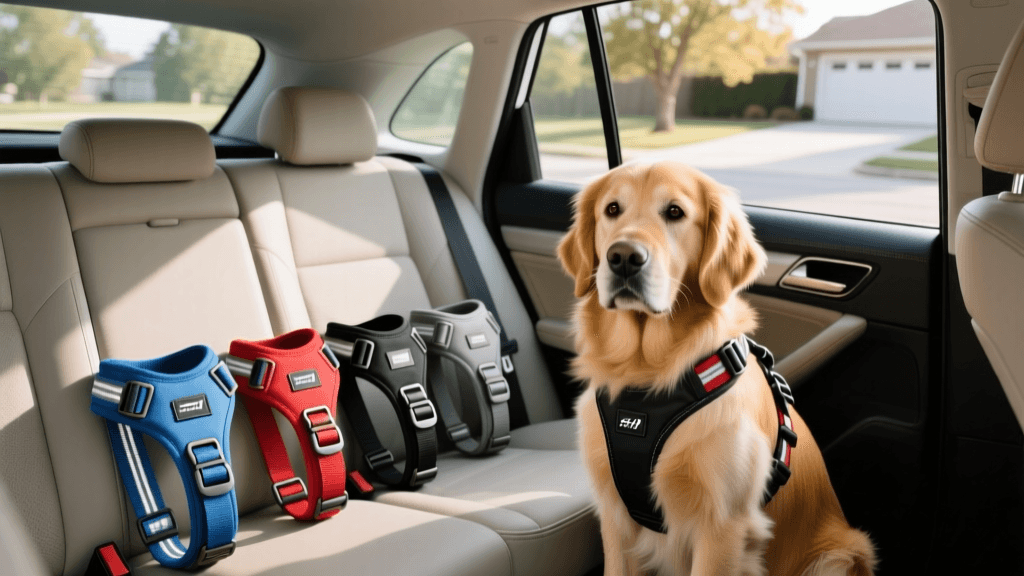
Why Your Dog Needs a Crash-Tested Car Harness
Sharing your life with a dog means taking them on countless adventures, from quick trips to the local dog park to cross-country road trips. However, when it comes to vehicular travel, many well-meaning pet owners unknowingly put their furry companions at risk. According to a comprehensive survey by the AAA Foundation for Traffic Safety, nearly 60% of respondents drive with their pets in the car, yet a vast majority do not use proper, crash-tested restraints. This oversight is not just a distraction; it is a severe safety hazard for both the dog and the human passengers.
The physics of a car crash are unforgiving. In a collision at just 35 miles per hour, an unrestrained 50-pound dog transforms into a 2,000-pound projectile. This immense force can cause catastrophic injuries to the dog and anyone else in the vehicle. To combat this, the Center for Pet Safety (CPS), a registered 501(c)(3) non-profit research and advocacy organization, established rigorous crash-test standards for pet travel products. When shopping for a dog car harness, looking for the CPS certification seal is the single most important step you can take to ensure your dog's safety on the road.
The Difference Between Walking Harnesses and Car Harnesses
A common misconception among dog owners is that a standard walking harness is sufficient for car travel. This is a dangerous assumption. Walking harnesses are designed to distribute force across a dog's chest and shoulders during a pull or a sudden stop on a leash. They are not engineered to withstand the extreme kinetic energy generated in a vehicular collision.
Crash-tested car harnesses, on the other hand, are constructed with heavy-duty materials such as steel nesting buckles, reinforced stitching, and energy-absorbing padded vests. Furthermore, the tether systems used to connect the harness to the vehicle's seat belt are specifically designed to stretch and absorb shock, reducing the whiplash effect on your dog's spine and neck. The American Kennel Club (AKC) strongly advises against using standard walking harnesses, collars, or zip-lines for car travel, emphasizing that only purpose-built, crash-tested equipment should be used.
What to Look for in a Dog Car Harness: A Buyer's Guide
When evaluating the best dog car harnesses and seat belts, keep the following critical factors in mind:
- Independent Crash Testing: Look for products that have been independently tested and certified by the Center for Pet Safety (CPS). Manufacturer claims of 'crash-tested' without third-party verification should be viewed with skepticism.
- Hardware Quality: The buckles, D-rings, and carabiners must be made of forged steel or aerospace-grade aluminum. Plastic clips will shatter upon impact.
- Tether Length and Design: A shorter tether keeps your dog securely in the seat, preventing them from being ejected or hitting the front seats. The tether should connect to the vehicle's existing seat belt system or LATCH anchors.
- Comfort and Fit: The harness should feature a wide, padded chest plate to distribute force evenly. It must be snug but allow your dog to sit, lie down, and breathe comfortably.
- Dual-Purpose Functionality: Many top-tier car harnesses can also be used for daily walks, saving you the hassle of swapping gear when you reach your destination.
Top 3 Crash-Tested Dog Car Harnesses Reviewed
1. Sleepypod Clickit Sport
The Sleepypod Clickit Sport is widely considered the gold standard in canine car safety. It was the first harness to pass the rigorous CPS dynamic crash tests. The secret to its success lies in its patented three-point design, which secures the dog's entire torso, mimicking the safety mechanics of a human seat belt. The energy-absorbing padded vest is made from ballistic nylon and features a wide chest plate that drastically reduces pressure on the dog's neck and spine during a sudden stop.
Best For: Medium to large dogs (up to 90 lbs) and owners who want the highest level of certified protection.
Estimated Cost: $95 - $110
Key Feature: Infinity-loop design that minimizes shifting and keeps the dog centered in the seat.
2. Kurgo Tru-Fit Smart Harness with Crash-Tested Tether
The Kurgo Tru-Fit is a favorite among active dog owners because it seamlessly transitions from a car harness to a rugged walking harness. It features steel nesting buckles inspired by rock-climbing gear, ensuring they will never snap under pressure. To be used safely in a car, it must be paired with Kurgo's specific 10-inch crash-tested seat belt tether, which loops through the vehicle's shoulder belt and lap belt. Kurgo's harness has been crash-tested for dogs up to 75 pounds using Federal Motor Vehicle Safety Standard (FMVSS) 213 protocols.
Best For: Adventurous dogs who need a dual-purpose harness for hiking and driving.
Estimated Cost: $35 - $45 (Harness and tether bundle)
Key Feature: Front and back D-ring leash attachments for no-pull walking once you reach your destination.
3. ZuGoPet Rocketeer Pack
Small dogs face unique challenges in the car, as standard harnesses often leave them sliding across the seat. The ZuGoPet Rocketeer Pack solves this by utilizing a five-point harness system that suspends your small dog safely in the air, secured by the car's seat belt and LATCH system. This prevents the dog from being crushed by deploying airbags or thrown into the footwell. It is CPS-certified and highly recommended by veterinarians for dogs under 25 pounds.
Best For: Small breeds and puppies (up to 25 lbs) who need containment and elevation.
Estimated Cost: $120 - $140
Key Feature: Suspended seating design that keeps small dogs away from dangerous airbag zones.
Comparison Chart: Best Dog Car Harnesses
| Brand & Model | CPS Certified | Weight Range | Est. Price | Best Use Case |
|---|---|---|---|---|
| Sleepypod Clickit Sport | Yes | 18 - 90 lbs | $105 | Maximum safety for medium/large dogs |
| Kurgo Tru-Fit Smart | Yes (up to 75 lbs) | 5 - 110 lbs | $40 | Dual-purpose (car & hiking) |
| ZuGoPet Rocketeer Pack | Yes | Up to 25 lbs | $130 | Small breeds & airbag avoidance |
How to Measure Your Dog for a Car Harness
A car harness is only effective if it fits perfectly. A harness that is too loose will allow your dog to slip out during a crash, while one that is too tight can restrict breathing and cause internal injuries. Follow these steps to measure your dog accurately:
- Chest Girth: Use a soft measuring tape to measure the widest part of your dog's ribcage, usually just behind the front legs. Ensure you can slide two fingers comfortably between the tape and your dog's body.
- Neck Circumference: Measure the base of the neck where it meets the shoulders. This is crucial for harnesses that feature a neck strap.
- Weight: Weigh your dog on a scale. Many crash-test certifications are strictly tied to weight limits (e.g., the Kurgo tether is only certified for dogs up to 75 lbs).
Pro Tip: If your dog falls between sizes, always consult the manufacturer's specific sizing chart. In car safety, sizing up to a larger harness is generally not recommended, as the excess slack can compromise the energy-absorbing mechanics of the tether.
Installation and Acclimation Tips
Installing the harness correctly is just as important as buying the right one. Never attach a car tether to your dog's collar. In a crash, the force concentrated on the neck could be fatal. Always connect the tether to the reinforced D-ring on the back of the car harness.
Furthermore, route the vehicle's seat belt exactly as instructed in the product manual. Some harnesses require the seat belt to be threaded through the harness loops, while others use a carabiner to clip onto a dedicated seat belt loop. Keep the tether as short as possible to limit your dog's movement; they should be able to sit and lie down, but not stand up or jump into the front seat.
Finally, give your dog time to acclimate. Start by having them wear the harness in the house for short periods with high-value treats. Next, practice sitting in the parked car with the engine off. Gradually progress to short, 5-minute drives around the neighborhood before embarking on a long road trip. This desensitization process usually takes 1 to 2 weeks and ensures your dog associates the car harness with positive, stress-free travel.
Final Thoughts on Canine Car Safety
Investing in a high-quality, crash-tested dog car harness is one of the most vital decisions you can make for your pet's well-being. While the upfront cost of brands like Sleepypod or ZuGoPet may seem high compared to a standard pet store harness, the peace of mind and life-saving protection they offer are priceless. By choosing CPS-certified gear, measuring your dog correctly, and taking the time to train them to wear it, you ensure that every journey you share with your dog is as safe as it is joyful.
jonas-cole
All our authors care for dogs every day — read more of their work on the authors page.