Best Dog Breeds for Toddlers and Family Safety Tips
Discover the best dog breeds for toddlers, essential safety tips, and how to prepare your preschooler for a new puppy to ensure a harmonious family home.

Welcoming a Dog into a Home with Toddlers
Bringing a new dog into a family with toddlers is a beautiful, life-changing milestone. Growing up with a canine companion teaches children empathy, responsibility, and provides them with an unwavering furry best friend. However, the reality of managing a rambunctious puppy alongside a clumsy, unpredictable toddler requires careful planning, immense patience, and strategic breed selection. Toddlers are naturally loud, move erratically, and lack an understanding of personal boundaries, which can be highly stressful for the wrong type of dog.
To ensure a harmonious household, parents must look beyond a dog's cute appearance and prioritize temperament, sturdiness, and a high 'startle threshold.' In this comprehensive guide, we will explore the best dog breeds for families with toddlers, essential home preparation gear, and actionable safety rules to protect both your child and your new pet.
Selecting the Right Breed for a Toddler-Friendly Home
When researching temperament and breed traits, the American Kennel Club (AKC) provides comprehensive guidelines that highlight the importance of matching a dog's natural instincts with your family's lifestyle. For homes with toddlers, you want a dog that is patient, forgiving of accidental tail-pulls, and sturdy enough to handle a toddler's enthusiastic hugs.
Golden Retriever
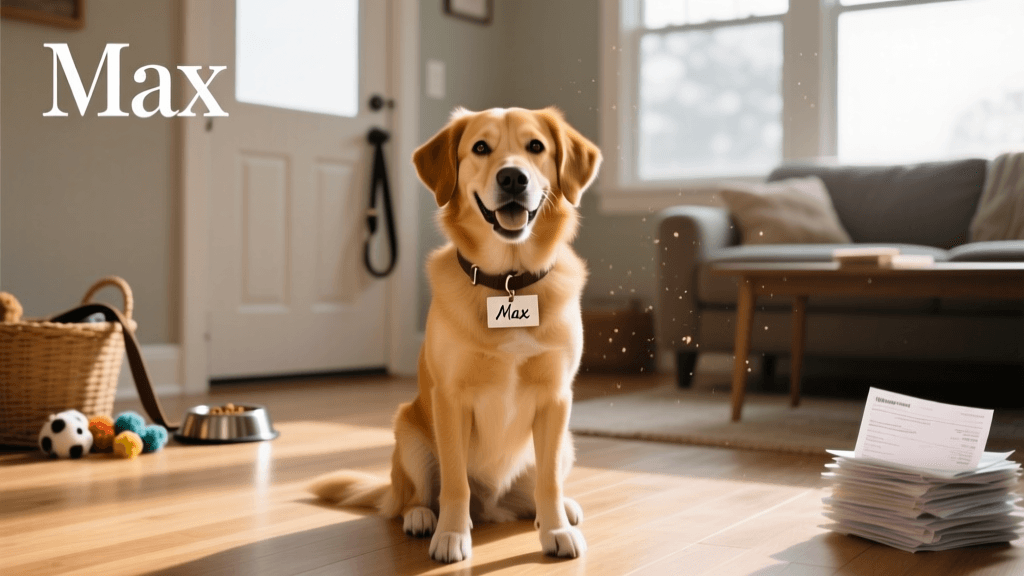
Golden Retrievers are widely considered the gold standard for families with young children. They are exceptionally patient, eager to please, and possess a sturdy build that can withstand the occasional toddler tumble. Their high intelligence makes them highly trainable, though their long coats require regular brushing to manage shedding.
Labrador Retriever
Similar to the Golden, the Labrador Retriever is outgoing, deeply loyal, and highly tolerant of children. Labs are energetic and require ample daily exercise, making them ideal for active families. Parents should note that Lab puppies can be quite boisterous and mouthy, so early obedience training is crucial to prevent them from accidentally knocking over a small child during play.
Beagle
Beagles are sturdy, pack-oriented hounds that thrive in busy, noisy households. They are small enough to be manageable but robust enough not to be easily injured by a toddler. Beagles are generally very friendly, though their strong sense of smell means they can be easily distracted outdoors and may be prone to vocalizing (baying) when bored.
Boxer
Boxers are famously known as the 'clowns' of the dog world. They are deeply bonded to their human families and are notably protective and gentle with children. A Boxer's high energy level matches well with older toddlers and preschoolers, but they do require consistent training to manage their jumping tendencies.
Bichon Frise
If you prefer a smaller dog, the Bichon Frise is a fantastic choice. Unlike many toy breeds that are fragile and easily stressed, the Bichon is surprisingly sturdy, cheerful, and highly adaptable. Their hypoallergenic hair coat is a bonus for families concerned about pet dander, though it requires professional grooming every four to six weeks.
Breed Comparison Chart
| Breed | Adult Weight | Energy Level | Grooming Needs | Toddler Suitability |
|---|---|---|---|---|
| Golden Retriever | 55-75 lbs | Moderate to High | High (Daily brushing) | Excellent |
| Labrador Retriever | 55-80 lbs | High | Moderate (Weekly brushing) | Excellent |
| Beagle | 20-30 lbs | Moderate | Low (Occasional brushing) | Very Good |
| Boxer | 50-70 lbs | High | Low (Short coat) | Very Good |
| Bichon Frise | 12-18 lbs | Moderate | High (Professional grooming) | Good |
Breeds to Approach with Caution
While every dog is an individual, certain breed groups present unique challenges in homes with toddlers. Toy breeds, such as Chihuahuas, Pomeranians, and Toy Poodles, are incredibly fragile. A toddler who accidentally drops a toy breed or steps on their paw can cause severe injury, which often leads to fear-based biting. Furthermore, herding breeds like Border Collies and Australian Shepherds possess a deeply ingrained instinct to herd moving objects. This can result in the dog nipping at a running toddler's heels to 'control' their movement, which is both dangerous and terrifying for a young child.
Preparing Your Toddler for the Dog's Arrival
Preparation should begin at least four to six weeks before the dog or puppy comes home. Toddlers thrive on routine and predictability, so introducing the concept of a new pet gradually is essential.
- Role-Play with Stuffed Animals: Use a realistic stuffed dog to teach your toddler how to interact with a real animal. Practice 'gentle hands' by guiding their hand to stroke the stuffed animal from the top of the head down to the tail. Firmly but gently correct any grabbing of the ears, tail, or paws.
- Audio Desensitization: Puppies whine, bark, and have clicking nails on hard floors. Play YouTube videos of these sounds at a very low volume while your toddler is engaged in a fun activity. Gradually increase the volume over several weeks so the noises are not startling when the puppy arrives.
- Scent Swapping: If you are adopting a dog, bring a small blanket to the shelter or breeder to rub on the dog's bed. Bring this blanket home and let your toddler sleep with it or keep it in their play area so the dog's scent becomes familiar before the actual introduction.
- Read Dog-Themed Books: Incorporate books like the 'Biscuit' series or 'Clifford the Big Red Dog' into your nightly reading routine to normalize the presence of a dog in the home.
Setting Up Your Home for Success: Essential Gear
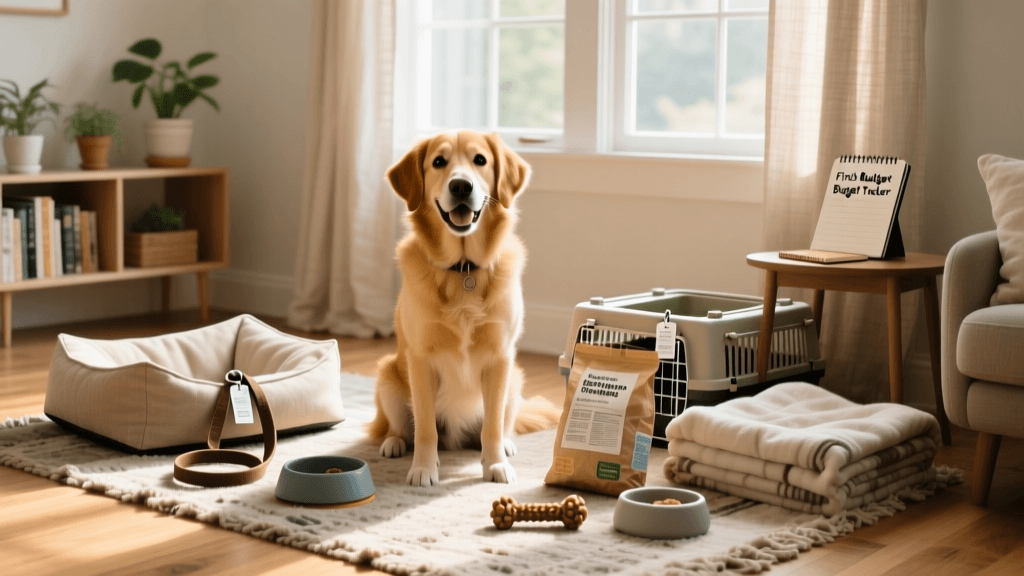
Creating physical boundaries is just as important as teaching behavioral ones. Investing in the right gear will save your sanity and keep both your toddler and dog safe.
Baby Gates and Playpens
You will need to create 'dog-free' zones where your toddler can play without being bothered, and 'toddler-free' zones where the dog can decompress. The Regalo Easy Step Walk Thru Baby Gate (typically priced around $45-$55) is a top choice for parents. It fits doorways between 29 and 39 inches wide and features a one-touch release safety lock that adults can open easily, but toddlers cannot. For larger spaces, a sturdy metal playpen provides a safe containment area for a puppy when you cannot actively supervise.
The Crate: A Canine Sanctuary
A crate is not a punishment; it is a den. For medium-to-large breeds like Labs or Goldens, a 36-inch or 42-inch wire crate with a divider panel (costing between $60 and $90) allows the crate to grow with the puppy. The absolute golden rule of the crate is that the toddler is never allowed to go inside, reach inside, or disturb the dog while the door is closed.
Puppy Soothing Toys
Nighttime crying from a new puppy can easily wake a sleeping toddler. The SmartPetLove Snuggle Puppy (approx. $40) includes a simulated heartbeat and a heat pack that mimics the feeling of sleeping against littermates. This significantly reduces puppy anxiety and promotes quiet sleeping through the night. Additionally, a Kong Classic Dog Toy stuffed with frozen peanut butter can keep a puppy occupied and quiet in their playpen while you tend to your toddler.
Crucial Safety Rules and Canine Body Language
Safety must be the paramount concern when mixing young children and dogs. According to the Centers for Disease Control and Prevention (CDC), children are the most common victims of dog bites, and these incidents frequently occur in the home with familiar pets. To prevent tragedies, establish these non-negotiable rules:
The Golden Rule: Never leave a toddler and a dog unsupervised in the same room. Not even for ten seconds. If you need to use the restroom or answer the door, either the toddler or the dog must go with you, or be safely secured behind a gate.
Respecting the Dog's Resources
Toddlers are naturally curious and may try to take a dog's toy or approach them while they are eating. Teach your child from day one that we 'never touch the dog's bowl' and 'never take a toy from the dog's mouth.' If the dog has a toy, the toddler must be taught to fetch an adult to trade for it, rather than grabbing it themselves.
Recognizing Canine Stress Signals
Dogs rarely bite 'out of nowhere.' They almost always provide warning signs that they are uncomfortable or overwhelmed. Parents must learn to read canine body language and intervene before a growl or snap occurs. Watch for these subtle stress signals when your toddler is interacting with the dog:
- Whale Eye: The dog turns its head away but keeps its eyes fixed on the toddler, showing the whites of its eyes in a half-moon shape.
- Lip Licking and Yawning: If the dog is repeatedly licking its lips or yawning when not tired, it is a calming signal indicating stress or anxiety.
- Stiff Body and Closed Mouth: A relaxed dog has a loose, wiggly body and an open, panting mouth. A dog that suddenly freezes, closes its mouth, and becomes rigid is asking for space.
- Leaning Away: If the dog is physically leaning away from the toddler's reach, do not force the interaction. Respect the dog's boundary and redirect the child.
Conclusion: Fostering a Lifelong Bond
Integrating a dog into a family with toddlers is a journey that requires proactive management, environmental setup, and continuous education. By selecting a sturdy, patient breed, investing in essential boundaries like baby gates and crates, and teaching your toddler how to interact gently, you lay the groundwork for a beautiful, lifelong bond. Remember that both your toddler and your dog are learning how to navigate the world; as the parent, you are their guide, advocate, and protector. With consistency and patience, your child and your dog will grow up to be the best of friends.
aaron-whyte
All our authors care for dogs every day — read more of their work on the authors page.