Getting a Second Dog: A Multi-Pet Introduction Guide
Learn how to smoothly introduce a second dog to your resident pet. Discover step-by-step multi-dog living tips, gear essentials, and timeline advice.

Why Adding a Second Dog Requires a Strategic Approach
Bringing a first dog into your home is a journey of discovery, but getting a second dog is an exercise in diplomacy. Multi-dog and multi-pet living offers incredible rewards, including canine companionship and shared playtime, but it also introduces complex behavioral dynamics. According to the American Kennel Club, the success of a multi-dog household hinges almost entirely on the initial introduction and the careful management of resources during the first few weeks. Failing to prepare your home and your resident pet can lead to resource guarding, chronic stress, and territorial disputes. This guide provides a comprehensive, actionable roadmap for integrating a new dog into a home that already has a resident dog or cat.
Assessing Your Resident Dog’s Readiness
Before you even begin looking at rescue profiles or breeder litters, you must objectively evaluate your current dog. A successful multi-dog home requires a resident dog that is physically and mentally prepared for a new sibling.
Age and Energy Matching
If your resident dog is a senior (over 8 years old) with arthritis or a low-energy temperament, bringing home a 10-week-old puppy with boundless energy can cause severe stress. Conversely, if you have a high-drive working breed, a similarly active dog might be a better match. Aim for a complementary energy level rather than an identical one.
The Gender and Size Dynamic
Animal behaviorists generally recommend adopting a dog of the opposite sex to minimize same-sex aggression and territorial competition. Size should also be considered; a massive 90-pound Mastiff mix might accidentally injure a 10-pound Chihuahua during enthusiastic play, even if their temperaments are friendly.
Pre-Arrival Preparation: Setting Up Multi-Pet Zones
Do not wait until the new dog is in the car to prepare your house. Establishing physical boundaries before arrival prevents early conflicts and gives your resident dog a sense of security.
Creating Safe Havens
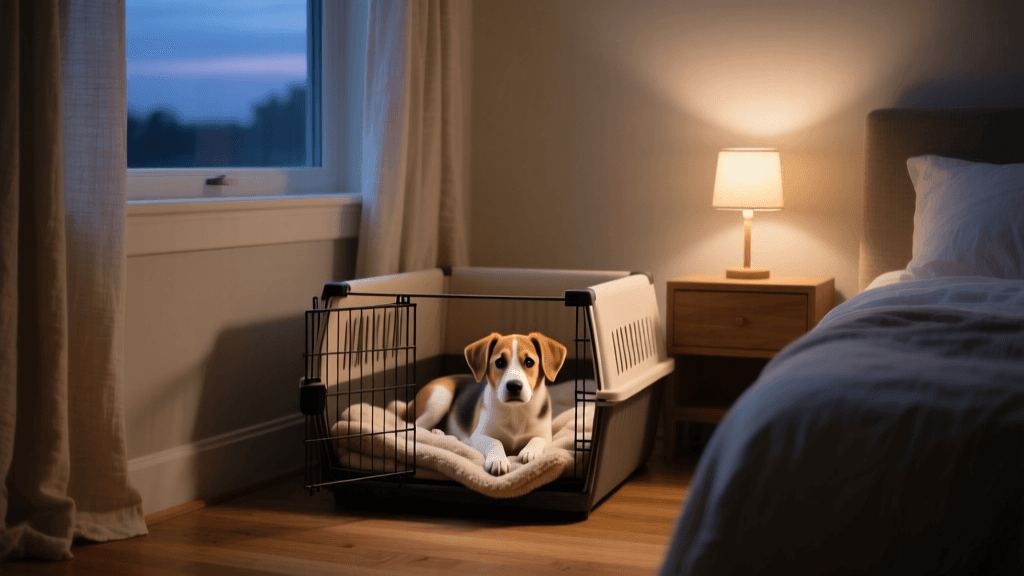
Both dogs need a designated retreat. Set up a secondary crate in a quiet room, separate from the resident dog’s primary sleeping area. Install hardware-mounted baby gates that are at least 36 inches tall to prevent medium-to-large dogs from jumping over them. Pressure-mounted gates are unsafe for multi-dog homes, as a determined dog can push them down, leading to unsupervised encounters.
Resource Separation
Resource guarding is one of the most common issues in multi-dog homes. Before the new dog arrives, remove all high-value items from communal areas. This includes bully sticks, yak cheese chews, squeaky toys, and even standard kibble bowls. You will need to purchase duplicate, distinctly different items (e.g., a blue ceramic bowl for Dog A and a stainless steel bowl for Dog B) to prevent confusion and competition.
The First Meeting: Neutral Territory Protocol
The Best Friends Animal Society strongly advises against introducing a new dog inside the home. Your resident dog views the house and yard as their territory, and an intruder entering that space can trigger immediate defensive aggression.
The Parallel Walk Technique
Enlist a friend or family member to help. Both dogs should be fitted with secure, front-clip harnesses and attached to standard 6-foot leather or biothane leashes. Avoid retractable leashes entirely, as they offer poor control and can snap under the sudden force of a lunge.
- Start at a Distance: Begin walking both dogs in the same direction on a quiet street or empty park, keeping them 15 to 20 feet apart.
- Close the Gap Gradually: Every few minutes, allow the dogs to move 3 feet closer, provided both remain relaxed. Look for loose, wiggly body language and soft eyes.
- The Sniff Test: Once they are walking side-by-side without tension, allow them to sniff each other's hindquarters for exactly 3 to 5 seconds, then cheerfully call them away and reward with high-value treats like boiled chicken or freeze-dried liver.
Bringing the New Dog Home: The First 72 Hours
The transition into the home should be quiet and highly structured. Keep the resident dog outside with a family member while the new dog enters the house on a leash to explore the main living areas. This allows the new dog to investigate scents without feeling cornered.
Crate Rotation and Scent Swapping
For the first three days, practice crate rotation. While Dog A is out in the yard playing, Dog B explores the living room. Swap their blankets and beds daily so they can passively investigate each other's scents in a non-threatening environment. Feed them on opposite sides of a closed door or a sturdy baby gate, allowing them to associate the other's presence and scent with the positive experience of eating.
Essential Gear for Multi-Dog Households
Investing in the right equipment upfront will save you thousands of dollars in potential veterinary bills and behavioral training later. Below is a comparison chart of must-have items for multi-pet living.
| Item | Purpose | Recommended Specs | Estimated Cost |
|---|---|---|---|
| Hardware-Mounted Gate | Separating rooms safely | 36"+ tall, steel construction, walk-through door | $50 - $85 |
| Dual-Dog Coupler | Walking two dogs on one leash | Bungee-style to absorb shock, 360-degree swivel | $15 - $25 |
| Slow Feeder Bowls | Preventing rapid eating and food theft | Heavy-duty silicone, non-slip base | $10 - $20 each |
| Pheromone Diffuser | Reducing household tension and anxiety | Adaptil (for dogs) or Feliway (for cats), covers 700 sq ft | $25 - $40 |
| Long-Line Training Leash | Supervised recall practice in the yard | 15 to 30 feet, lightweight biothane or cotton | $20 - $35 |
Managing Multi-Pet Dynamics: Dogs and Cats
If your resident pet is a cat, the introduction process requires an entirely different strategy. The Humane Society of the United States notes that proper scent exchange and vertical escape routes are critical for feline welfare when a new dog enters the home.
Vertical Space and Safe Zones
Cats must have access to vertical territory—such as tall cat trees, wall-mounted shelves, and the tops of cabinets—that the new dog cannot reach. Install baby gates that feature small, cat-sized pet doors at the bottom. This allows the cat to freely move between rooms to access their litter box and food while keeping the dog confined.
Scent and Sound Desensitization
Before the dog and cat ever see each other, swap their bedding. Play recordings of a dog barking softly while feeding the cat high-value treats like tuna or Churu purées to build a positive association. When they do meet, the dog must be on a secure leash and heavily rewarded for looking at the cat and then voluntarily looking away (the "engage-disengage" game).
Long-Term Management and Preventing Resource Guarding
The introduction phase doesn't end after the first week. According to veterinary behaviorists, the critical socialization and boundary-setting period lasts for the first 30 to 60 days. During this time, the dogs should never be left alone together unsupervised, even if they seem to be getting along perfectly.
The "Nothing in Life is Free" Protocol
Establish yourself as the provider of all good things. Both dogs must perform a command (like "sit" or "down") before receiving meals, treats, or affection. This reduces competition between the dogs and redirects their focus onto you as the leader and resource provider.
Supervised Play and Toy Management
When the dogs are playing, keep a close eye on their body language. Stiffening, hard stares, or one dog constantly pinning the other without trading roles are signs that play is escalating into bullying or a fight. Have a plan to interrupt tension safely, such as clapping your hands loudly or tossing a handful of treats on the floor to scatter their focus. Pick up all toys when playtime is over to eliminate triggers for guarding.
Conclusion
Getting a second dog is a deeply rewarding experience that enriches the lives of both your pets and your family. By respecting the psychological needs of your resident pet, utilizing neutral territory for introductions, and heavily investing in environmental management tools like hardware gates and separate feeding stations, you lay the groundwork for a harmonious multi-pet household. Patience is your greatest asset; allow your dogs the time they need to negotiate their new boundaries and build a lifelong bond.
anouk-beaumont
All our authors care for dogs every day — read more of their work on the authors page.