How Much Does a Dog Cost? Top Budget Questions Answered
Discover the true cost of getting a dog. We answer Google's most-asked questions about puppy prices, first-year expenses, and hidden budget surprises.

The True Cost of Getting a Dog: Answering Google's Top Questions
Bringing a new dog into your life is an incredibly rewarding experience, but it is also a significant financial commitment. If you have been typing questions like 'How much does a dog cost?' or 'What are the first-year puppy expenses?' into Google, you are not alone. According to search trend data, budgeting for a new pet is one of the most common hurdles for prospective owners. At Paws-Tales, we believe in transparency. The initial adoption or purchase fee is just the tip of the iceberg. To help you prepare, we have compiled answers to Google's most-asked questions about the true cost of dog ownership, complete with specific product recommendations, average pricing, and expert insights.
How Much Does It Cost to Buy or Adopt a Dog?
The very first question most people ask is about the acquisition cost. The price varies wildly depending on whether you choose to adopt from a shelter or purchase from a reputable breeder. According to the ASPCA, adoption fees typically range from $50 to $300. This fee usually covers essential initial veterinary care, including spaying or neutering, microchipping, and the first round of vaccinations. On the other hand, purchasing a purebred puppy from a responsible breeder can cost anywhere from $1,500 to over $4,000, depending on the breed's rarity, lineage, and the breeder's health testing protocols. While the upfront cost of a breeder is higher, both routes require you to budget for the same ongoing care.
What Supplies Do I Need for a New Dog?
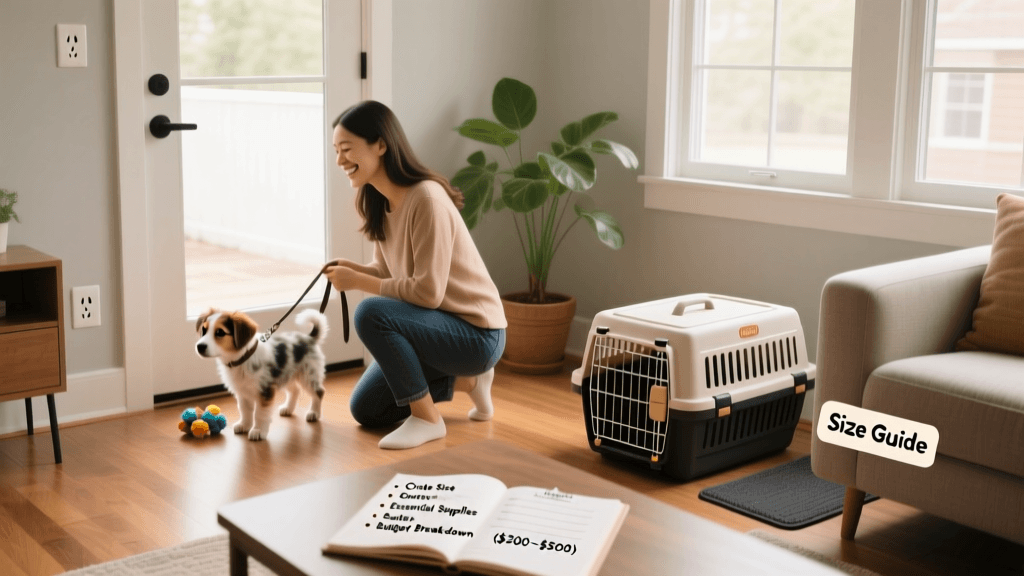
Another top Google search is 'new dog shopping list.' The American Kennel Club (AKC) recommends several non-negotiable essentials before your dog crosses the threshold of your home. You will need a properly sized crate, a durable bed, food and water bowls, a collar, a leash, and identification tags. For a medium-to-large breed like a Labrador Retriever, you will need a 42-inch wire crate (such as the MidWest Homes for Pets iCrate, which costs around $70). Avoid cheap, plush beds for puppies; instead, invest in a chew-resistant option like the Kuranda Chewproof Dog Bed ($130) or a heavy-duty Kevlar-lined bed. You will also need high-quality food bowls (stainless steel or ceramic to prevent canine acne, roughly $25 for a set) and a sturdy 6-foot leather or biothane leash ($30). Do not forget enrichment toys like the classic Kong ($15) and puzzle feeders to keep your new dog mentally stimulated.
Let us break down these initial supply costs in the table below:
| Item | Estimated Cost | Notes |
|---|---|---|
| 42-inch Wire Crate | $60 - $80 | MidWest Homes for Pets iCrate |
| Chew-Proof Dog Bed | $100 - $150 | Kuranda or Kevlar-lined beds |
| Stainless Steel Bowls | $20 - $30 | Set of two, prevents canine acne |
| 6-Foot Leather Leash | $25 - $40 | Durable, better control than retractable |
| Kong Classic & Treats | $15 - $25 | Essential for mental enrichment |
| Collar & ID Tags | $15 - $25 | Custom engraved tags |
How Much Are First-Year Veterinary Expenses?
Medical care is where many new owners experience sticker shock. A puppy requires a series of core vaccinations (DHPP and Rabies) administered every three to four weeks until they are 16 weeks old. Expect to pay between $75 and $100 per vet visit for these puppy shots. Additionally, you must budget for parasite prevention. Heartworm prevention, such as Heartgard Plus, costs about $80 to $100 annually, while flea and tick preventatives like NexGard or Bravecto will add another $150 to $250 to your yearly budget. If you adopt an older dog that is already spayed or neutered and fully vaccinated, your first-year vet bills will be significantly lower, primarily consisting of an annual wellness exam ($60-$100) and preventative medications. However, if you purchase a puppy, you must also factor in the cost of spaying or neutering, which can range from $200 at a low-cost clinic to $800 at a private veterinary hospital.
What is the Monthly Cost of Owning a Dog?
Google users frequently ask, 'How much should I budget for a dog per month?' According to a comprehensive report by Forbes Advisor, the average monthly cost of dog ownership ranges from $150 to $300, though this can fluctuate based on your dog's size and dietary needs. A 70-pound dog will consume significantly more food than a 15-pound terrier. Premium dry dog foods like Purina Pro Plan or Hill's Science Diet cost between $50 and $80 per month for a medium-sized dog. Add in monthly treats, dental chews (like Greenies), and replacement toys, and your monthly consumables budget will hover around $100. Furthermore, you must account for monthly heartworm and flea/tick medications, which average $25 to $40 per month. If you live in a city and require a dog walker, expect to pay $20 to $30 per walk, which can add $400 to $600 to your monthly expenses.
What Are the Hidden Costs of Dog Ownership?
Many prospective owners fail to account for the hidden, intermittent costs of dog care. Grooming is a major factor for breeds with continuously growing hair, such as Poodles, Doodles, and Shih Tzus. Professional grooming sessions cost between $60 and $120 and are required every 6 to 8 weeks. Then there is the cost of travel and boarding. If you travel for work or leisure, boarding your dog at a reputable kennel or using a service like Rover can cost $50 to $85 per night. Another frequently overlooked expense is professional training. While you can find free resources online, enrolling your puppy in a 6-week group obedience class at a local training facility or PetSmart typically costs $150 to $200. This is a crucial investment to prevent behavioral issues that could lead to property damage or aggression later in life.
Is Pet Insurance Worth the Investment?
A rapidly growing question on Google is whether pet insurance is a scam or a necessity. The truth is, veterinary emergencies are incredibly expensive. An emergency surgery for a swallowed object or a bout of bloat can easily cost between $3,000 and $7,000. Pet insurance companies like Trupanion, Healthy Paws, or Lemonade offer accident and illness policies that typically cost $40 to $70 per month, depending on your dog's age, breed, and your chosen deductible. While it is an added monthly expense, it provides invaluable peace of mind and ensures you never have to make a medical decision based solely on your bank account balance. Most experts recommend enrolling your dog while they are young and healthy, as pre-existing conditions are universally excluded from coverage.
Final Thoughts on Budgeting for Your New Dog
Getting a dog is a long-term financial and emotional commitment that spans 10 to 15 years. By researching and answering Google's most-asked questions before bringing your new companion home, you are setting yourself up for success. Create a dedicated pet emergency fund, track your monthly spending, and invest in high-quality preventative care to avoid costly medical bills down the road. With proper budgeting and preparation, the joy and companionship your dog brings will far outweigh the financial costs.
hannah-wickes
All our authors care for dogs every day — read more of their work on the authors page.