Budget Dog Adoption: First Month Essentials & Hidden Costs
Discover how to prepare for a new dog on a budget. Learn about hidden adoption costs, affordable first-month essentials, and money-saving tips for new owners.
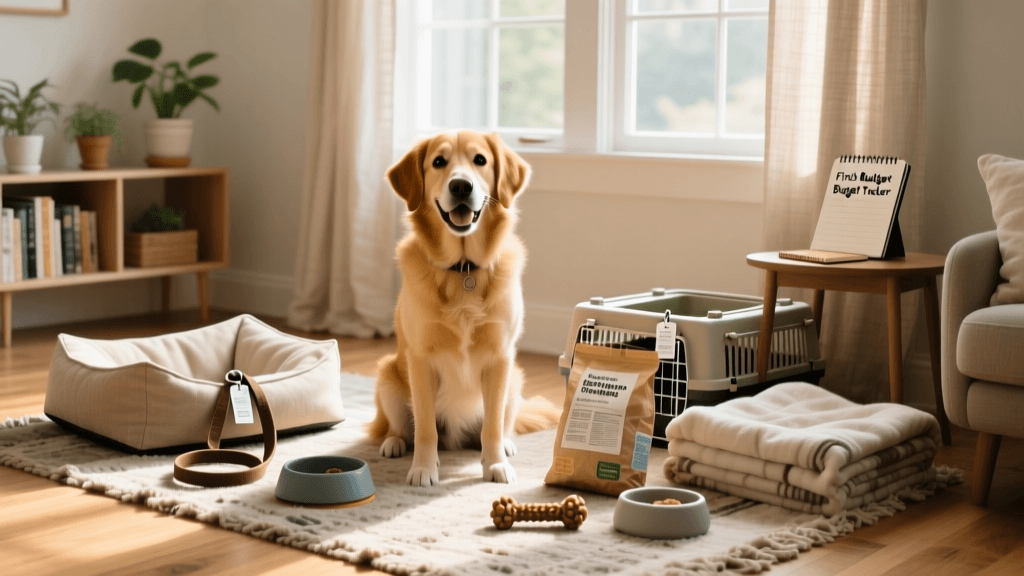
The True Cost of Bringing a Rescue Dog Home
Adopting a dog from a local shelter or rescue organization is a noble choice, and the upfront adoption fee—typically ranging from $50 to $300—often seems like a bargain compared to the thousands spent at a breeder. However, new owners are frequently blindsided by the hidden costs of the first thirty days. According to the ASPCA's pet care cost breakdown, the first year of dog ownership can easily exceed $1,500 to $2,000 when factoring in initial veterinary visits, spay/neuter procedures, microchipping, and essential gear. For budget-conscious adopters, navigating these expenses requires strategy, foresight, and a willingness to prioritize function over aesthetics.
This guide will walk you through a strict, budget-friendly approach to preparing your home, selecting the right gear, and managing veterinary care without compromising your new dog's health or happiness.
First-Month Budget Breakdown: What You Actually Need
Pet stores are designed to upsell you on premium, aesthetically pleasing gear that your dog does not actually need. A $250 wooden crate that looks like a mid-century modern end table offers no functional advantage over a $40 wire crate. Below is a comparison of premium retail options versus budget-friendly, highly functional essentials.
| Item | Premium Option (Cost) | Budget Essential (Cost) | Money-Saving Tip |
|---|---|---|---|
| Food Bowls | Ceramic Raised Set ($45) | Stainless Steel ($12) | Buy from restaurant supply or discount stores. |
| Crate | Wooden Furniture Crate ($250) | Wire Crate ($40) | Check Facebook Marketplace or Goodwill. |
| Leash & Collar | Leather Designer Set ($85) | Nylon 6ft Leash & Buckle Collar ($15) | Avoid retractable leashes; they break easily. |
| Bed | Orthopedic Memory Foam ($120) | Fleece Blanket on Mat ($20) | Use old pillows and sew a cover. |
| Enrichment Toys | Electronic Puzzles ($60) | KONG & DIY Snuffle Mat ($25) | Freeze KONG with kibble; weave old t-shirts. |
By opting for the budget essentials, you can furnish your dog's basic needs for under $115, leaving plenty of room in your budget for high-quality nutrition and veterinary care.
Strategic Crate Sizing and Second-Hand Shopping
If you are adopting a puppy or a young dog that has not yet reached its full adult size, invest in a 36-inch or 42-inch wire crate (depending on the breed's estimated adult weight) that includes a wire divider panel. This allows you to shrink the living space to prevent potty accidents in the back of the crate, expanding it as your dog grows. Never buy a plush bed for a puppy or a known chewer; instead, use folded, machine-washable fleece blankets. Once the dog matures and outgrows the destructive chewing phase (usually around 18 to 24 months), you can invest in a durable orthopedic bed.
DIY Enrichment: The Snuffle Mat
Mental enrichment is just as tiring as physical exercise, but commercial puzzle toys are expensive. You can build a highly effective snuffle mat for under $10. Purchase a rubber sink mat with drainage holes (approx. 12x18 inches) from a dollar store. Cut old fleece blankets or t-shirts into 2-inch wide, 8-inch long strips. Tie these strips through every hole in the mat. Scatter your dog's daily kibble ration into the mat, forcing them to forage and sniff out their meal. This mimics natural grazing behaviors and slows down fast eaters.
Nutrition on a Dime: Quality Without the Boutique Price Tag
One of the most common mistakes budget-conscious owners make is buying the cheapest generic dog food available, which often relies on low-quality fillers that can lead to digestive issues and larger, more frequent bowel movements (meaning you buy more food and more poop bags). Conversely, you do not need to feed a $100-a-bag boutique raw diet. Look for foods that meet the World Small Animal Veterinary Association (WSAVA) guidelines and have undergone AAFCO feeding trials. Brands like Purina Pro Plan or Kirkland Signature (available at Costco) offer excellent nutritional profiles at a fraction of the cost of premium boutique brands.
The 7-Day Transition Rule: When bringing your dog home, get a small bag of the exact food they were eating at the shelter. Abruptly switching foods causes gastrointestinal upset and diarrhea. Transition over 7 days:
- Days 1-2: 75% shelter food, 25% new food.
- Days 3-4: 50% shelter food, 50% new food.
- Days 5-6: 25% shelter food, 75% new food.
- Day 7: 100% new food.
Veterinary Care: Preventative Savings
Skipping routine veterinary care to save money is a false economy that inevitably leads to massive emergency bills down the line. Preventative care is the cornerstone of budget dog ownership. If your adoption fee did not include core vaccines (DAPP and Rabies), do not pay full price at a private emergency clinic. Look for low-cost vaccine clinics hosted by local humane societies, or visit retail clinics like Petco Vetco or Tractor Supply Co., where basic vaccinations can cost 50% to 70% less than a traditional vet visit.
For those facing severe financial hardship, the Humane Society's guide to low-cost veterinary resources provides a comprehensive directory of charities and grants that assist with essential medical care, spay/neuter surgeries, and emergency treatments.
The Non-Negotiable: Microchipping and ID Tags
If your dog escapes, a collar can slip off, but a microchip is permanent. The American Veterinary Medical Association (AVMA) strongly advocates for microchipping as the most reliable form of identification. Many shelters include this in the adoption fee. If not, a microchip implantation at a low-cost clinic usually costs between $25 and $50. Pair this with a $5 engraved aluminum tag from a local pet store kiosk that includes your current cell phone number. This $30 total investment can save you the heartbreak and potential thousands of dollars in shelter reclaim fees or lost dog search services.
Pet Insurance vs. The Emergency Savings Fund
When operating on a strict budget, deciding between pet insurance and self-insuring is critical. Comprehensive pet insurance policies can range from $40 to $80 per month, which may be prohibitive for some adopters. However, a single emergency surgery for a swallowed toy or torn cruciate ligament can cost between $3,000 and $6,000.
If comprehensive insurance is outside your monthly budget, consider an 'accident-only' policy, which often costs under $15 per month and covers traumatic injuries like being hit by a car or swallowing a foreign object. Alternatively, open a dedicated high-yield savings account specifically for your pet. Set up an automatic transfer of $25 to $50 per week. While this won't cover a $5,000 surgery in month one, it builds a vital safety net over time. Never rely on credit cards for pet emergencies, as high interest rates will quickly derail your financial stability.
Actionable First-Week Checklist
Follow this timeline to ensure a smooth, budget-friendly transition for your new dog:
- Day 1 (Arrival): Set up the wire crate in a quiet, low-traffic area of the home. Introduce the dog to their stainless steel water bowl and offer a small portion of their familiar shelter food. Keep excitement low; avoid inviting friends over.
- Day 3 (Decompression): Begin the 7-day food transition. Take short, 15-minute leash walks using your 6-foot nylon leash to map out the immediate neighborhood. Practice basic 'sit' and 'look at me' commands using high-value, cheap treats like boiled, unseasoned chicken breast.
- Day 7 (Routine Establishment): Complete the food transition. Schedule a low-cost wellness exam at a local vaccine clinic to establish a baseline health record, discuss heartworm prevention (ask for generic Ivermectin-based options if on a strict budget), and verify microchip registration.
Expert Tip: Never skimp on heartworm, flea, and tick prevention. Treating a dog for heartworm disease can cost upwards of $1,000 and is physically grueling for the animal. Generic, vet-prescribed preventatives or reputable online pharmacies (verified by your vet) can keep your dog safe for just a few dollars a month.
Conclusion: Patience is Your Greatest Asset
Getting a dog on a budget does not mean providing a substandard life. By prioritizing functional gear, utilizing low-cost veterinary resources, and investing time into DIY enrichment and training, you can provide a loving, secure, and stimulating environment for your new companion. The money you save on aesthetic luxuries can be redirected into a dedicated pet emergency savings account, ensuring you are prepared for whatever the future holds.
aaron-whyte
All our authors care for dogs every day — read more of their work on the authors page.