Top 5 Best Dog Breeds for Remote Workers in 2026
Discover the top 5 best dog breeds for remote workers in 2026. Learn which low-bark, affectionate dogs perfectly complement your work-from-home lifestyle.
The Rise of the Work-From-Home Dog in 2026
As we navigate the entrenched remote and hybrid work landscapes of 2026, the home office has become a permanent fixture for millions of professionals. With this shift, the demand for the perfect 'work-from-home' canine companion has skyrocketed. But not every dog is suited for a quiet environment filled with virtual meetings, deep-focus sessions, and sedentary hours. According to the Mayo Clinic, interacting with pets can significantly lower stress hormones, reduce blood pressure, and alleviate feelings of isolation, making a well-matched dog an invaluable asset to your mental health and daily productivity.
However, choosing a dog based solely on cuteness can lead to disrupted workflows and stressed pets. A high-energy herding breed might demand a five-mile run right in the middle of your quarterly review, while a vocal hound could ruin a crucial client presentation. To maintain a harmonious home office, you need a breed that aligns with your sedentary work hours, respects your need for quiet, and thrives on indoor companionship.
Key Traits to Look for in a Remote Work Companion
Before diving into specific breeds, it is essential to understand the physiological and behavioral traits that make a dog an ideal home office partner:
- Low Vocalization: Frequent barking is the enemy of remote work. You want a breed that is naturally quiet or only barks when absolutely necessary.
- Moderate-to-Low Energy: Dogs that are content with a morning walk and an evening stroll are perfect. They will happily nap under your desk while you type.
- Independence and Confidence: While you want a companion, a dog that suffers from severe velcro-dog syndrome may whine or pace if you are on a call and cannot pet them.
- Adaptability to Indoor Living: Many remote workers operate from apartments or homes without massive fenced yards. Breeds that adapt well to indoor environments are highly preferred.
Top 5 Best Dog Breeds for Remote Workers
1. Cavalier King Charles Spaniel
The Cavalier King Charles Spaniel is the quintessential lap dog, making them an elite choice for remote workers who want a affectionate but quiet companion. They are incredibly attuned to their owner's emotions, offering silent comfort during stressful workdays. Cavaliers are generally quiet, rarely barking at passing cars or delivery drivers, which keeps your Zoom calls interruption-free.
Health & Wellbeing Note: Cavaliers are prone to mitral valve disease and syringomyelia. In 2026, responsible breeders are heavily utilizing advanced cardiac screening and MRI testing. To keep your Cavalier healthy during long workdays, invest in an ergonomic, supportive dog bed to protect their joints and spine while they nap by your feet.
2. Greyhound
It might surprise many to see a racing breed on a list of couch potatoes, but retired Greyhounds (and even pet-bred Greyhounds) are famously known as '45-mph couch potatoes.' They are sprinters, not endurance athletes. A quick 20-minute morning sprint or a brisk walk is usually enough to satisfy their exercise needs, after which they will happily sleep for 18 hours a day. They are also remarkably quiet and gentle indoors.
Health & Wellbeing Note: Greyhounds have very low body fat and thin coats, making them sensitive to cold and hard surfaces. If your home office has hardwood or tile floors, you must provide thick orthopedic bedding to prevent pressure sores and joint pain.
3. Bichon Frise
For remote workers who suffer from pet allergies or share their home office with allergic family members, the Bichon Frise is a top-tier choice. Their hypoallergenic, hair-like coat sheds minimally. Bichons are cheerful, adaptable, and relatively quiet. They possess a playful streak that can provide a much-needed mental break during your lunch hour, but they are equally content to chew on a toy while you finish a spreadsheet.
Health & Wellbeing Note: Their coat requires rigorous maintenance. Without regular brushing and professional grooming every four to six weeks, their hair can mat painfully against the skin. Incorporate a daily five-minute brushing session into your morning coffee routine to bond with your dog and maintain their dermatological health.
4. French Bulldog
The French Bulldog remains incredibly popular in 2026 for urban remote workers. They require minimal exercise, are highly adaptable to small apartments, and are notoriously quiet. A Frenchie is more likely to snore softly under your desk than bark at the mail carrier. Their comical personalities offer excellent stress relief during tedious tasks.
Health & Wellbeing Note: As a brachycephalic (flat-faced) breed, Frenchies are highly susceptible to heatstroke and respiratory issues. It is critical to keep your home office climate-controlled. In the warmer months, ensure the room temperature stays below 72°F (22°C) and provide a cooling mat for them to lie on during the afternoon.
5. Bernese Mountain Dog
If you work from home with ample space and prefer a larger dog, the Bernese Mountain Dog is a gentle giant. Despite their massive size, they are remarkably calm and docile indoors. They are deeply devoted to their families and prefer to be in the same room as you, often leaning against your leg while you work. They are not known for excessive barking, making them great office mates.
Health & Wellbeing Note: Bernese Mountain Dogs unfortunately have a shorter lifespan and are prone to hip dysplasia and certain cancers. Focus on maintaining a lean body weight to reduce stress on their joints, and consider adding a veterinarian-approved omega-3 fatty acid supplement to their diet to support joint and cognitive health.
Breed Comparison Chart for Home Office Compatibility
Use the table below to quickly compare how these breeds fit into a remote work lifestyle based on key behavioral and health metrics.
| Breed | Energy Level | Bark Factor (Zoom Risk) | Separation Anxiety Risk | Daily Exercise Need |
|---|---|---|---|---|
| Cavalier King Charles Spaniel | Low-Moderate | Low | Moderate | 30-45 mins |
| Greyhound | Low (Indoors) | Very Low | Low | 20-30 mins |
| Bichon Frise | Moderate | Low-Moderate | Moderate | 30-45 mins |
| French Bulldog | Low | Very Low | High | 20-30 mins |
| Bernese Mountain Dog | Moderate | Low | Moderate | 45-60 mins |
Managing Your Dog's Wellbeing While You Work
Having a low-energy dog does not mean you can ignore their physical and mental needs while you stare at a screen. Sedentary lifestyles are a leading cause of canine obesity, which drastically reduces a dog's lifespan and quality of life. To keep your remote-work companion healthy in 2026, implement the following strategies:
- The 20-20-20 Rule for Dogs: Just as eye doctors recommend humans look away from screens every 20 minutes, set a timer to interact with your dog. A quick two-minute petting session or a gentle stretch keeps both of you grounded.
- Enrichment Over Exercise: If you cannot take a long midday walk, use mental stimulation to tire them out. Puzzle feeders, snuffle mats, and frozen KONG toys can keep a dog occupied and mentally fatigued for hours, preventing boredom-induced destructive behaviors.
- Smart Home Integration: Utilize modern smart pet cameras with treat-tossing capabilities. These allow you to reward your dog for calm behavior while you are on a headset, reinforcing quiet time without breaking your workflow.
Preventing Separation Anxiety When You Leave the House
One of the most significant health and behavioral risks for dogs owned by remote workers is separation anxiety. Because you are home 24/7, your dog becomes accustomed to your constant presence. When you inevitably have to leave for an in-person meeting, a medical appointment, or a social outing, the sudden absence can trigger severe panic. The ASPCA notes that separation anxiety can lead to self-injury, excessive vocalization, and destructive behavior.
To safeguard your dog's mental health, you must proactively practice absence training. Even if you work from home every day, leave the house for 30 minutes to run errands or take a walk without your dog. Create a 'safe zone' with a baby gate where your dog can spend time alone in a different room while you are still in the house. This teaches them that physical separation is normal, safe, and temporary, ensuring they remain emotionally resilient and well-adjusted.
Conclusion
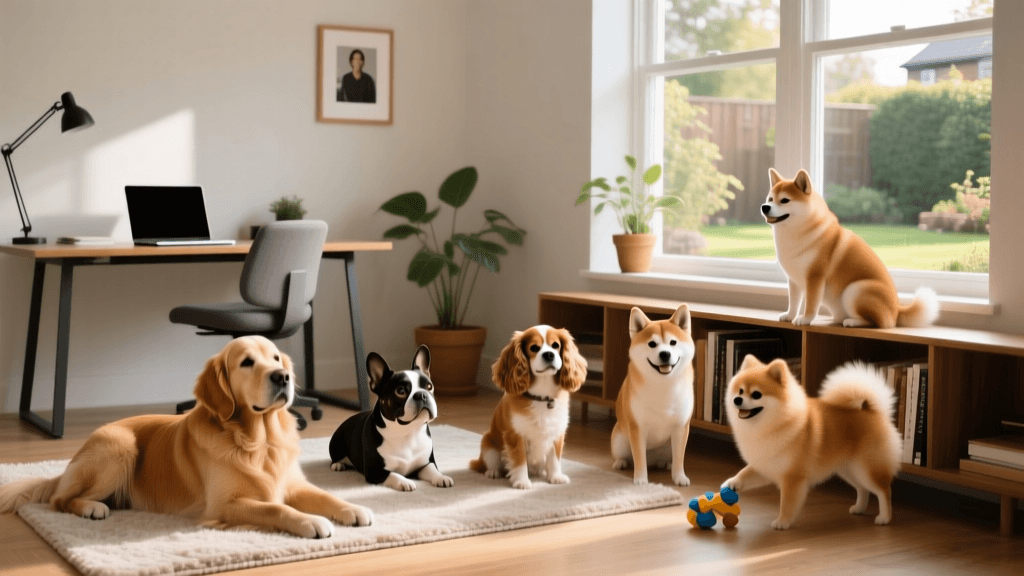
Choosing the right dog breed for your remote work lifestyle is about balancing your need for a quiet, focused environment with the dog's need for companionship and appropriate care. Breeds like the Cavalier King Charles Spaniel, Greyhound, Bichon Frise, French Bulldog, and Bernese Mountain Dog offer the perfect blend of low vocalization and indoor adaptability. By prioritizing their physical health, providing mental enrichment, and proactively managing separation anxiety, you can cultivate a deeply rewarding partnership that enhances both your professional productivity and your personal wellbeing in 2026 and beyond. For more insights on managing canine behavior, consult resources from the American Kennel Club to ensure your home office remains a sanctuary for both you and your four-legged colleague.
aaron-whyte
All our authors care for dogs every day — read more of their work on the authors page.