Canine Cognitive Dysfunction: Senior Dog Care Guide
Learn how to identify and manage canine cognitive dysfunction with practical routines, supplements, and environmental tips for senior dogs.

Understanding Canine Cognitive Dysfunction in Senior Dogs
As our canine companions enter their golden years, we often expect a natural slowdown in physical activity and energy levels. However, when mental sharpness begins to decline, it can be deeply distressing for pet owners. Canine Cognitive Dysfunction (CCD), frequently referred to as dog dementia or canine Alzheimer's, is a progressive neurodegenerative disease that affects senior canines. It is characterized by physical and chemical changes in the brain that lead to a decline in cognitive function.
According to the American Kennel Club, nearly 28% of dogs aged 11 to 12 years exhibit clinical signs of CCD, and that number jumps to over 68% for dogs aged 15 to 16 years. Because these signs are often mistakenly attributed to "just getting old," many cases go undiagnosed and untreated. Recognizing the early indicators and implementing a comprehensive, multi-modal care strategy is vital for maintaining your senior dog's quality of life and easing their anxiety.
Recognizing the Signs: The DISHAA Assessment
Veterinary behaviorists and neurologists utilize the DISHAA framework to evaluate cognitive decline in aging dogs. This acronym helps pet owners and veterinarians systematically categorize behavioral changes that indicate neurological degradation rather than simple physical ailments.
- D - Disorientation: Wandering aimlessly, getting stuck behind furniture, or staring blankly at walls.
- I - Interactions: Changes in how the dog interacts with family members, including increased irritability, clinginess, or a lack of interest in greeting people.
- S - Sleep/Wake Cycles: Pacing or vocalizing at night, and sleeping excessively during the day.
- H - House Soiling: Urinating or defecating indoors despite being fully house-trained, often in view of the owner.
- A - Activity Changes: A decrease in purposeful activity (like playing or exploring) and an increase in repetitive behaviors (like licking or pacing).
- A - Anxiety: New fears of familiar people, places, or being left alone, often manifesting as panting or trembling.
| DISHAA Category | Mild / Early Signs | Severe / Advanced Signs |
|---|---|---|
| Disorientation | Occasionally hesitating at doors | Getting trapped in corners; failing to recognize owners |
| Interactions | Less enthusiastic greetings | Aggression when approached; complete social withdrawal |
| Sleep/Wake Cycles | Restless during early evening | Continuous nighttime pacing and howling; day-long lethargy |
| House Soiling | Infrequent indoor accidents | Complete loss of house training; lack of signaling to go out |
| Activity Changes | Reduced interest in walks | Compulsive licking; wandering without purpose |
| Anxiety | Startling easily at loud noises | Severe separation anxiety; trembling in familiar environments |
Environmental Enrichment and Routine Adjustments
Mental stimulation is just as critical as physical exercise for the aging canine brain. Environmental enrichment encourages neuroplasticity and can slow the progression of cognitive decline. One of the most effective methods is the "Sniffari" walk. Instead of walking for distance or cardiovascular exercise, take your senior dog on a 15-minute leash walk where the primary goal is olfactory stimulation. Allow them to sniff bushes, grass, and trees at their own pace. The olfactory bulb is directly connected to the brain's limbic system, and processing complex scents requires significant cognitive effort, which helps keep neural pathways active.
Inside the home, introduce low-impact puzzle toys designed for senior dogs. Products like the Kong Senior (made with softer rubber for aging teeth) or the Outward Hound Dog Brick puzzle require the dog to use problem-solving skills to access treats. Start with the easiest difficulty settings to prevent frustration, which can exacerbate anxiety.
Furthermore, maintaining a strict, predictable daily routine is paramount. Dogs with CCD lose their ability to adapt to changes. Feed them at the exact same times, take them out for bathroom breaks on a rigid schedule (e.g., every 4 hours), and keep furniture arrangements completely static to help them build a reliable mental map of their environment.
Nutritional Support and Supplements for Brain Health
The aging brain experiences increased oxidative stress and a decreased ability to utilize glucose for energy. Targeted nutritional interventions can provide alternative energy sources and protect neurons from free radical damage. According to VCA Animal Hospitals, diets rich in antioxidants and medium-chain triglycerides (MCTs) have been clinically shown to improve cognitive function in senior dogs.
Consider transitioning your dog to a veterinary prescription diet specifically formulated for brain aging, such as Hill's Prescription Diet b/d (Brain Aging) or Purina Pro Plan Veterinary Supplements NeuroCare. These diets are fortified with a precise blend of antioxidants, mitochondrial cofactors, and essential fatty acids.
Key Supplements and Dosages for CCD
If you are feeding a standard senior diet, discuss adding the following evidence-based supplements with your veterinarian:
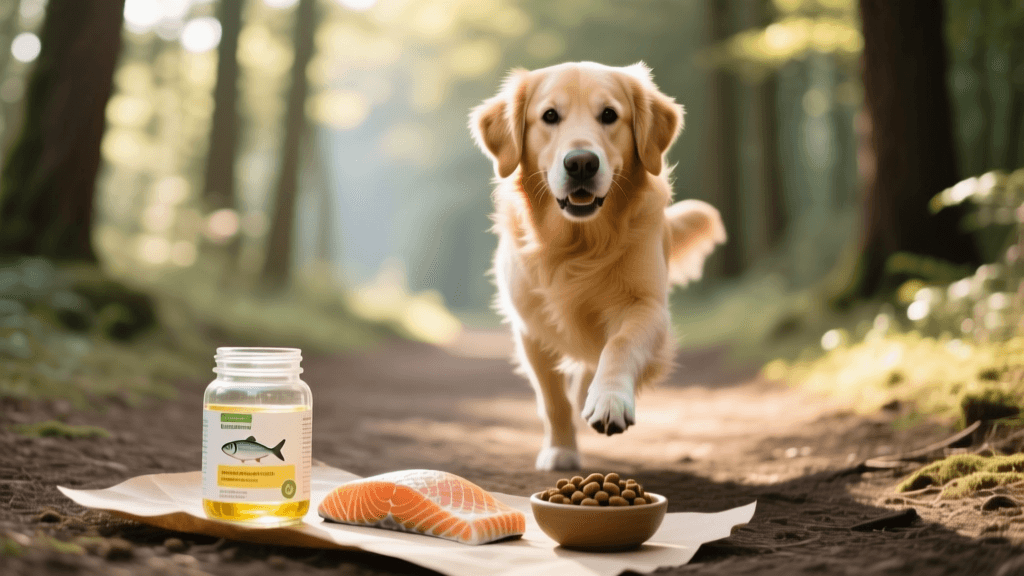
- Omega-3 Fatty Acids (EPA/DHA): Crucial for reducing neuroinflammation. Aim for a combined EPA/DHA dosage of 50-100 mg per kilogram of body weight daily. High-quality fish oils like Nordic Naturals Omega-3 Pet are excellent choices.
- SAMe (S-adenosylmethionine): A compound that aids in the production of neurotransmitters like dopamine and serotonin. The standard therapeutic dosage is 18-30 mg/kg per day. Products like Nutrivet SAMe or VetriScience Composure Pro are widely recommended.
- Phosphatidylserine: A phospholipid that is a major structural component of brain cell membranes. Supplementation (often found in chews like VetriScience Cogni-Health) helps maintain cellular integrity and improves memory recall.
- MCT Oil (Medium-Chain Triglycerides): The aging brain struggles to metabolize glucose. MCTs bypass this issue by converting into ketones, providing an alternative, highly efficient energy source for brain cells. Start with 1/4 teaspoon for small dogs and up to 1 tablespoon for large dogs, mixed into their food.
Veterinary Interventions and Medications
When lifestyle modifications and nutritional support are no longer sufficient to manage symptoms, veterinary pharmaceutical interventions become necessary. The most common and widely researched medication for CCD is Selegiline hydrochloride, sold under the brand name Anipryl.
Selegiline is a selective monoamine oxidase-B (MAO-B) inhibitor. In the aging brain, the enzyme MAO-B breaks down dopamine, a neurotransmitter essential for learning, memory, and motor control. By inhibiting this enzyme, Selegiline increases dopamine levels in the brain and reduces the production of harmful free radicals. It is typically administered orally once daily in the morning. While it does not cure CCD, it can significantly reduce disorientation, improve sleep-wake cycles, and restore normal interactions with family members in a majority of responding dogs.
For dogs suffering from severe nighttime anxiety or sundowning that does not respond to Selegiline, veterinarians may prescribe short-term anxiolytics such as Trazodone or Gabapentin to help the dog achieve restorative sleep.
Creating a Safe Space for Nighttime Anxiety and Sundowning
One of the most challenging aspects of CCD is "sundowning"—a phenomenon where confusion, pacing, and vocalization worsen as the sun sets and the house grows dark. Creating a dedicated, sensory-soothing safe space is essential for managing nighttime anxiety.
First, invest in a high-quality orthopedic bed. Senior dogs with CCD often have concurrent osteoarthritis, and pain exacerbates cognitive confusion. The Big Barker 7-inch Orthopedic Dog Bed (priced around $250-$350) provides therapeutic joint support that prevents the dog from waking up in pain, which can trigger nighttime pacing.
Second, address the sensory environment. Plug in an Adaptil Calm Pheromone Diffuser near their bed. Adaptil releases a synthetic copy of the dog-appeasing pheromone produced by nursing mothers, which has been clinically proven to reduce stress and promote a sense of security. Pair this with a white noise machine to drown out startling household sounds, and use dim, amber-toned nightlights in the hallways. Amber light does not disrupt melatonin production like blue light does, and it helps visually impaired or disoriented dogs navigate to their water bowl or potty pads without bumping into walls.
Conclusion: Patience and Partnership
Caring for a senior dog with Canine Cognitive Dysfunction requires immense patience, empathy, and a proactive approach. While watching your beloved companion struggle with confusion is heartbreaking, early intervention through the DISHAA assessment, environmental enrichment, targeted nutrition, and veterinary medication can dramatically slow the disease's progression. By partnering closely with your veterinarian and adapting your home to meet your dog's evolving neurological needs, you can ensure their twilight years are filled with comfort, dignity, and peace.
hannah-wickes
All our authors care for dogs every day — read more of their work on the authors page.