2026 Dog Separation Anxiety: Desensitization & Calming Aids
Discover effective 2026 strategies for dog separation anxiety. Learn step-by-step desensitization protocols, top calming supplements, and environmental tips.
Understanding Canine Separation Anxiety in 2026
As we navigate the evolving hybrid-work and office-mandate landscapes of 2026, canine separation anxiety remains one of the most pressing behavioral health challenges for dog owners. Unlike simple boredom or isolation distress—where a dog is merely upset about being alone—true separation anxiety is a profound panic disorder triggered specifically by the absence of a primary attachment figure. According to the ASPCA, dogs suffering from this condition experience a genuine state of psychological terror, often resulting in destructive behavior, inappropriate elimination, excessive vocalization, and even self-mutilation.
In 2026, veterinary behaviorists emphasize that separation anxiety is not a result of poor obedience or a dog 'acting out' for revenge. It is a neurochemical panic response. Treating it requires a multi-modal approach combining behavioral desensitization, environmental modification, and, in many cases, targeted nutraceutical or pharmacological support.
Identifying the Clinical Signs
Before implementing a treatment plan, it is crucial to confirm that your dog is experiencing separation anxiety rather than general under-stimulation. True separation anxiety typically presents with the following symptoms, which occur almost exclusively when the dog is left alone or separated from their specific attachment person:
- Pacing and Panting: Incessant, repetitive movement that begins before you even leave the house.
- Destructive Behavior: Chewing on door frames, window sills, or drywall, specifically at exit points.
- Inappropriate Elimination: Urinating or defecating indoors despite being fully house-trained, often on the owner's bed or clothing.
- Vocalization: Prolonged howling, whining, or barking that starts immediately upon departure and is captured on home monitoring cameras.
- Escape Attempts: Frantic digging or scratching at doors and crates, often resulting in broken nails or damaged teeth.
The 2026 Pre-Departure Desensitization Protocol
Dogs are masters of pattern recognition. Long before you walk out the door, your dog has already cataloged the sequence of events that predict your absence: the jingling of keys, the putting on of shoes, the packing of a laptop bag, and the turning off of specific lights. In 2026, the gold standard for behavioral modification begins with dismantling these pre-departure triggers.
To desensitize your dog to these cues, you must decouple them from the act of leaving. Practice the following exercises daily when you have absolutely no intention of leaving the house:
- Put on your coat and shoes, then sit down on the couch and read a book for 20 minutes.
- Pick up your car keys, jingle them, and then place them back in the bowl while making a sandwich.
- Pack your work bag, walk to the front door, touch the handle, and then walk away to do a load of laundry.
By repeating these actions without the eventual consequence of you leaving, the dog's brain stops registering these triggers as a cause for panic. Over a few weeks, the cortisol spike associated with your morning routine will significantly diminish.
Graduated Absence Training
Once pre-departure cues are neutralized, you can begin graduated absence training. The goal is to leave the dog alone for durations that do not trigger anxiety, gradually increasing the time. According to the Humane Society, pushing a dog past their anxiety threshold during training will only reinforce the panic response and set your progress back.
Start by stepping out the front door for literally one second, then returning calmly. Do not make a big fuss upon re-entering; keep greetings and departures incredibly low-key. Gradually increase the time to five seconds, then ten seconds, then thirty seconds. If your dog shows signs of distress on your camera feed, you have increased the duration too quickly. Drop back to a shorter time frame where the dog remains relaxed. This process requires immense patience, but it fundamentally rewires the dog's emotional response to being alone.
Veterinary-Approved Calming Supplements for 2026
While training addresses the root behavioral causes, calming supplements can help lower a dog's baseline anxiety, making them more receptive to learning. The 2026 veterinary consensus heavily favors evidence-based nutraceuticals over unregulated herbal remedies. Below is a comparison of the most highly recommended, clinically backed calming aids available this year.
| Supplement Brand | Active Ingredient | Onset Time | Best Use Case | Avg 2026 Cost |
|---|---|---|---|---|
| Zylkene | Alpha-Casozepine (Milk Protein) | 1.5 - 2 Hours | Daily baseline anxiety reduction | $35 - $45 |
| Solliquin | L-Theanine & Ashwagandha | 30 - 45 Minutes | Pre-departure situational calming | $30 - $40 |
| Adaptil Calm | Dog Appeasing Pheromone (DAP) | Continuous (Diffuser) | Environmental safe-space conditioning | $50 - $60 |
| Calming Care Pro | Bifidobacterium longum BL999 | 4 - 6 Weeks | Long-term gut-brain axis modulation | $45 - $55 |
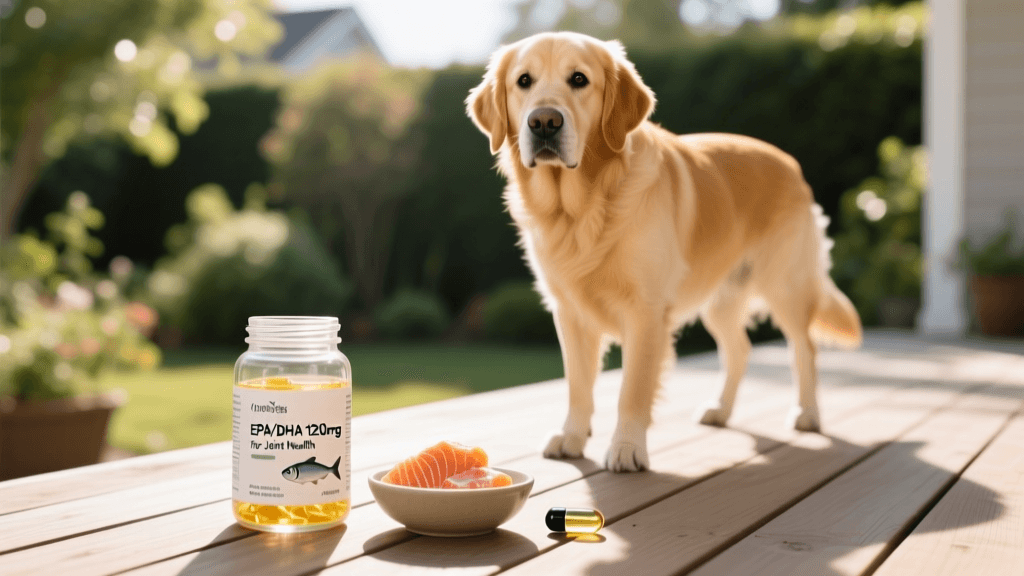
L-Theanine and Alpha-Casozepine: These compounds work by promoting the production of GABA and dopamine in the brain, inducing a state of relaxed alertness without sedation. They are excellent for use 45 minutes before you begin your departure routine.
Dog Appeasing Pheromones (DAP):strong> Synthetically replicating the pheromones produced by a nursing mother dog, DAP diffusers create a subconscious signal of safety. Placing a diffuser in the dog's designated 'safe haven' room can significantly reduce pacing and vocalization.
Psychobiotics: The 2026 focus on the gut-brain axis has elevated probiotics like Bifidobacterium longum to the forefront of anxiety management. While they take over a month to show full efficacy, they provide a remarkable long-term reduction in generalized anxiety.
Environmental Enrichment and Safe Haven Setup
A dog with separation anxiety should not be given free roam of the entire house, as the vast space can feel overwhelming and encourage patrolling. Instead, create a 'Safe Haven'—a confined, comfortable area such as a large pen or a dog-proofed bedroom. This space should be associated exclusively with positive experiences.
Stock the Safe Haven with high-value, long-lasting enrichment items that are only available when you leave. Frozen food-stuffed rubber toys, lick mats smeared with plain pumpkin puree and frozen overnight, and durable snuffle mats encourage natural foraging behaviors. Licking and chewing are self-soothing activities that release endorphins in the canine brain, actively counter-conditioning the act of being left alone.
Auditory and Olfactory Therapy
Silence can be deafening for an anxious dog, making them hyper-aware of every passing car or neighborhood noise. Masking environmental sounds is a critical component of a 2026 separation anxiety protocol. Use a white noise machine or a dedicated speaker playing bio-acoustic music designed specifically for canine auditory ranges. Classical music played at a slow tempo (50-60 beats per minute) has been clinically shown to lower canine heart rates and reduce stress behaviors.
Olfactory enrichment is equally powerful. A dog's sense of smell is their primary way of interpreting the world. Leaving a recently worn, unwashed t-shirt in their safe space provides immense comfort through your scent. Additionally, utilizing calming essential oil blends (such as diluted lavender or chamomile) on a bandana can provide an additional layer of sensory grounding, provided the oils are high-quality and strictly pet-safe.
When to Seek Pharmacological Intervention
Behavioral modification and supplements are highly effective for mild to moderate cases. However, for dogs experiencing severe panic—those who injure themselves trying to escape, refuse to eat when alone, or exhibit extreme distress—training alone is not enough. As noted by the American Kennel Club, a dog in a state of full-blown panic cannot learn. Their brain is flooded with cortisol, rendering desensitization training impossible.
In these cases, consulting a board-certified veterinary behaviorist is essential. They may prescribe daily selective serotonin reuptake inhibitors (SSRIs) like Fluoxetine or tricyclic antidepressants (TCAs) like Clomipramine. These medications do not 'drug' the dog; rather, they normalize brain chemistry, providing the emotional stability required for the dog to engage with and benefit from your desensitization training protocol. In 2026, combining pharmacological support with positive reinforcement training remains the most humane and effective pathway to healing severe separation anxiety.
What to Avoid in 2026
It is equally important to know what not to do. Punishing a dog for destructive behavior or accidents after you return home is entirely counterproductive; the dog will only learn to fear your return, exacerbating their anxiety. Furthermore, the use of electronic bark collars or shock collars is strongly condemned by modern veterinary behaviorists. Suppressing the symptom (barking) through pain or fear does nothing to address the underlying panic, often leading to worsening behavioral issues or redirected aggression. Approach your dog's separation anxiety with empathy, scientific protocols, and patience, and you will help them find peace in their own company.
marcus-aldridge
All our authors care for dogs every day — read more of their work on the authors page.