The Best Dog Breeds for Apartments and Urban Living
Discover the best dog breeds for apartment living and learn how to prepare your urban space for a new furry friend with our essential city dog guide.
Embracing Urban Dog Ownership
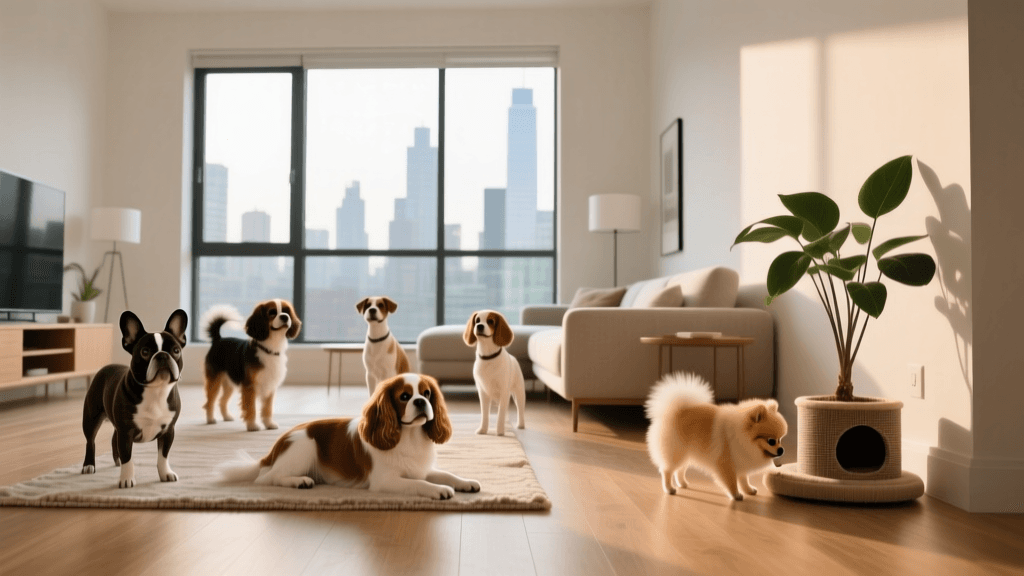
Living in a bustling city or a cozy apartment does not mean you have to abandon your dream of welcoming a dog into your life. However, urban environments present a unique set of challenges that require careful planning, breed selection, and space management. From shared walls and noisy hallways to the lack of a private backyard, getting a dog in an apartment setting demands a strategic approach to ensure both you and your new furry roommate thrive.
According to the ASPCA, successful dog ownership hinges on matching a dog's physical and mental needs with your lifestyle. In an urban setting, this means prioritizing breeds that are adaptable, relatively quiet, and comfortable in confined spaces, while also dog-proofing your apartment to prevent accidents and noise complaints.
The Apartment Breed Paradox: Size vs. Energy
One of the most common misconceptions among first-time urban dog owners is that small dogs are automatically the best fit for apartments. While a Chihuahua takes up less physical space, many small terrier breeds possess boundless energy and a strong instinct to bark at every noise in the hallway. Conversely, some large breeds are notorious couch potatoes who require minimal indoor space and rarely vocalize.
The American Kennel Club (AKC) notes that a dog's temperament, energy level, and vocalization tendencies are far more critical than their physical footprint when selecting an apartment companion. You want a dog that can settle down and relax indoors, reserving their energy for structured outdoor walks and trips to the local dog park.
Top Dog Breeds Suited for Apartment Living
When evaluating potential breeds or mixed-breed rescues, look for traits that align with high-density living. Below is a comparison of some of the most highly recommended breeds for urban environments.
| Breed | Average Weight | Energy Level | Vocalization | Ideal Apartment Size |
|---|---|---|---|---|
| Greyhound | 60-70 lbs | Low (Sprinters, not marathoners) | Very Low | Studio to 2-Bedroom |
| Cavalier King Charles Spaniel | 12-18 lbs | Moderate | Low | Studio to 1-Bedroom |
| French Bulldog | 16-28 lbs | Low to Moderate | Moderate | Studio to 1-Bedroom |
| Bichon Frise | 12-18 lbs | Moderate | Moderate | 1-Bedroom or larger |
| Basenji | 22-24 lbs | High | Very Low (Yodels instead of barks) | 1-Bedroom or larger |
Why These Breeds Excel in Cities
- Greyhounds: Despite their racing background, retired Greyhounds are famously lazy indoors. They love to sleep on soft beds and rarely bark, making them excellent neighbors.
- Cavalier King Charles Spaniels: These affectionate lap dogs are highly adaptable and thrive on being close to their owners, making them perfect for smaller square footage.
- French Bulldogs: Their low exercise requirements and sturdy, compact build make them ideal for walk-up apartments and short city strolls.
- Basenjis: Known as the 'barkless dog,' Basenjis are incredibly clean and quiet, though they do require rigorous daily mental and physical stimulation outside the apartment.
Essential Apartment Prep for Your New Dog
Bringing a dog into an apartment requires more than just buying a bed and some bowls. You must actively modify your space to accommodate their needs and protect your security deposit.
Potty Training Solutions for High-Rises
The logistics of potty training in a high-rise can be daunting. Waiting for an elevator while a puppy urgently needs to relieve itself is a recipe for indoor accidents. To bridge the gap between outdoor walks, many urban dog owners utilize indoor potty systems.
- Real Grass Delivery Services: Products like DoggieLawn or Fresh Patch deliver hydroponically grown grass in a cardboard tray. The natural scent encourages puppies to use it, and it neutralizes odors better than synthetic alternatives.
- Balcony Turf: If your building allows it and you have a secure, enclosed balcony, laying down a piece of pet-safe artificial turf in a corner can serve as an emergency potty spot. Ensure the turf has proper drainage and is cleaned daily with enzymatic cleaners.
- Scheduled Elevator Trips: Map out the fastest route to the ground floor. Always keep your leash and poop bags near the door so you can exit in seconds when your dog gives the signal.
Noise and Neighbor Relations
In an apartment, your dog's behavior directly impacts your neighbors. Separation anxiety and boredom can lead to excessive barking, which is a leading cause of pet-related lease violations. To mitigate noise:
- White Noise Machines: Place a white noise machine or a smart speaker playing calming classical music near the front door to mask the sounds of neighbors walking down the hallway or keys jingling in locks.
- Desensitization Training: Record the sounds of doors slamming and elevators dinging, and play them at a low volume while rewarding your dog with high-value treats. Gradually increase the volume over several weeks.
- Calming Aids: Consider using Adaptil diffusers, which release synthetic dog-appeasing pheromones to create a calming environment when you leave for work.
Balcony and Window Safety
Urban environments pose severe fall risks for curious dogs. The Humane Society of the United States strongly emphasizes the importance of pet-proofing windows and outdoor ledges. Dogs do not inherently understand the concept of gravity or the danger of a high-rise drop.
- Window Guards: Install heavy-duty, pet-rated window guards or screens on all operable windows. Standard insect screens will not withstand the weight of a dog leaning against them.
- Balcony Netting: If you have a balcony with gaps in the railing, use heavy-duty pet netting secured with zip-ties to prevent small dogs from squeezing through or getting their heads stuck.
- Remove Climbing Hazards: Move patio chairs, planters, and tables away from the edges of balconies to prevent your dog from using them as stepping stools to reach the railing.
Enrichment for Small Spaces
When you lack a large backyard for a dog to run in, mental enrichment becomes your best tool for burning off excess energy. A mentally stimulated dog is a tired dog, and a tired dog is a quiet apartment neighbor.
- Snuffle Mats and Lick Mats: Hide your dog's kibble in a fabric snuffle mat to engage their natural foraging instincts. Freeze wet food or bone broth in a textured lick mat to provide a soothing, long-lasting activity while you are on a work call.
- Puzzle Toys: Invest in interactive puzzle toys from brands like Outward Hound or Kong. These require your dog to solve physical puzzles to access treats, tiring out their brain in a fraction of the space a game of fetch would require.
- Scent Work: Hide treats around your apartment and encourage your dog to 'find it.' This indoor game builds confidence and burns significant mental energy without requiring you to leave the living room.
The True Cost of Urban Dog Ownership
Before finalizing your decision to get a dog, it is vital to budget for the unique costs associated with city living. Urban pet ownership often carries a premium compared to suburban or rural environments.
- Pet Rent and Deposits: Many apartment complexes charge a monthly 'pet rent' ranging from $35 to $100, plus a non-refundable pet deposit. Some luxury buildings may also have breed or weight restrictions.
- Dog Walkers and Daycare: If you work long hours in an office or have a lengthy commute, a mid-day dog walker is essential. In major cities, a 30-minute group walk can cost between $20 and $35 per day.
- Urban Veterinary Care: Veterinary clinics in dense urban centers often have higher overhead costs, which can translate to pricier routine care and emergency visits compared to rural clinics.
Conclusion
Getting a dog in an apartment is a deeply rewarding experience that brings joy, companionship, and a reason to explore your city's parks and neighborhoods. By carefully selecting a breed suited for indoor living, rigorously pet-proofing your space, and investing in mental enrichment, you can create a harmonious urban sanctuary for both you and your new best friend.
marcus-aldridge
All our authors care for dogs every day — read more of their work on the authors page.