Best Dog Breeds for Apartment Living: A Selection Guide
Discover the best dog breeds for apartment living. Compare energy levels, space needs, and costs to find the perfect small-space canine companion.

Navigating Urban Life: Selecting the Right Dog Breed for Apartment Living
Sharing your life with a dog is a profoundly rewarding experience, but doing so within the confines of an apartment or small urban dwelling requires careful planning, deliberate breed selection, and a commitment to structured routines. According to demographic data from the American Veterinary Medical Association (AVMA), over 38% of U.S. households own a dog, and a significant portion of these owners reside in multi-family housing or apartments. The 'Life with Your Dog' category in an urban environment is vastly different from life with a sprawling fenced backyard. It demands a nuanced understanding of canine psychology, spatial awareness, and neighborly etiquette.
One of the most pervasive myths in dog selection is the assumption that small dogs are automatically better suited for apartments. While a Chihuahua takes up less physical space on a sofa, their energy levels, vocalization tendencies, and separation anxiety can make them challenging neighbors in a building with paper-thin walls. Conversely, some large breeds are notorious 'couch potatoes' that thrive perfectly well in small spaces provided their specific exercise needs are met. Selecting the right breed is the foundational step to ensuring a harmonious life for you, your dog, and your neighbors.
Core Considerations for Apartment Breed Selection
Energy Levels vs. Physical Space
When evaluating breeds, prioritize 'energy level' over 'physical size.' A high-energy herding breed like a Border Collie or a Jack Russell Terrier will quickly become frustrated, destructive, and vocal in a 600-square-foot apartment if they do not receive hours of vigorous daily exercise. On the other hand, sighthounds like Greyhounds, despite their large stature, are sprinters rather than endurance athletes. They require a short, intense burst of exercise followed by 18 hours of sleeping on the couch, making them surprisingly excellent apartment dwellers.
Vocalization and Neighbor Etiquette
In an apartment, a barking dog is not just a personal annoyance; it is a lease-violating liability. Breeds that were historically developed to alert or hunt using their voices—such as Beagles, Fox Terriers, and many small terriers—are prone to vocalizing at hallway noises, passing sirens, or footsteps upstairs. According to the American Kennel Club (AKC), the best apartment dogs are generally those with a quieter disposition and a lower prey drive, reducing the likelihood of reactive barking at urban stimuli.
Separation Anxiety and Independence
Apartment dogs are often left alone while their owners work or commute. Breeds that form hyper-attached bonds, such as the Vizsla or certain toy breeds, may develop severe separation anxiety, leading to howling and property destruction. Breeds with a slightly more independent or confident nature tend to adapt better to the predictable absences inherent in urban professional life.
Top Apartment-Friendly Breeds: A Comparative Analysis
Below is a comparison chart of five highly rated breeds for apartment living, evaluating their physical traits, behavioral tendencies, and estimated monthly financial upkeep.
| Breed | Avg Weight | Energy Level | Barking Level | Est. Monthly Cost |
|---|---|---|---|---|
| Cavalier King Charles Spaniel | 12-18 lbs | Low-Medium | Low | $150 - $180 |
| Greyhound (Retired Racer) | 60-70 lbs | Low (Sprinter) | Very Low | $180 - $220 |
| French Bulldog | 16-28 lbs | Low | Low-Medium | $250 - $350 |
| Shih Tzu | 9-16 lbs | Low | Medium | $160 - $200 |
| Bichon Frise | 12-18 lbs | Medium | Medium | $180 - $230 |
Breed Profiles for Small Spaces
The Cavalier King Charles Spaniel is the quintessential apartment companion. They are deeply affectionate, highly adaptable, and require only moderate daily walks to remain content. Their primary drawback is a susceptibility to mitral valve disease, which requires vigilant veterinary screening.
The Greyhound is the ultimate 'lazy' large dog. Retired racing Greyhounds are accustomed to living in kennels and transition beautifully to apartment life. They are quiet, gentle, and mostly interested in finding the softest bed in the room. Note that they are sensitive to cold and will need a fleece coat for winter walks.
The French Bulldog is a popular urban staple due to their low exercise requirements and sturdy build. However, prospective owners must budget for high veterinary costs related to brachycephalic airway syndrome and allergies, which significantly inflates their monthly cost of ownership.
Practical Apartment Setup and Essential Gear
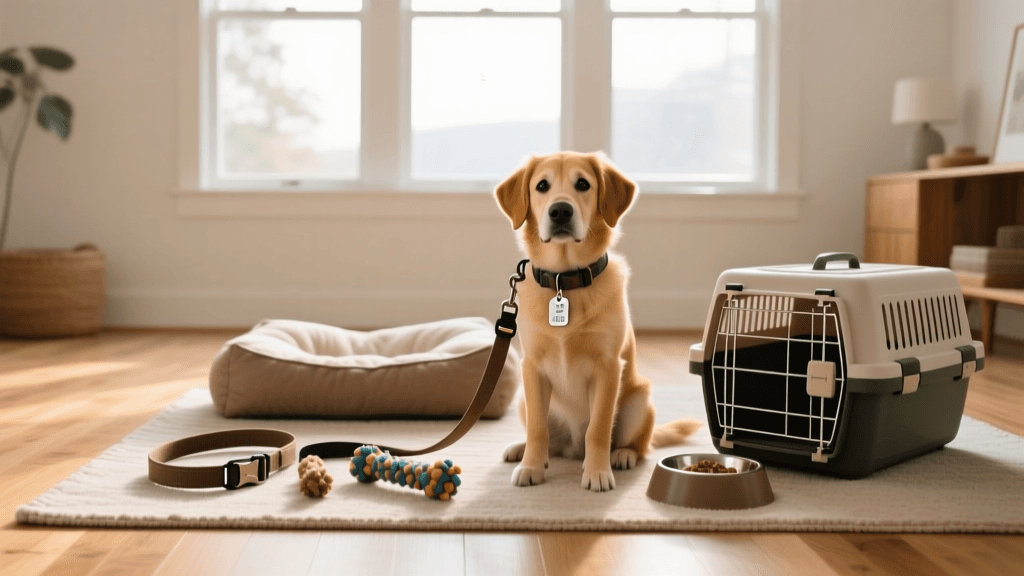
Living with a dog in an apartment requires optimizing your space for their comfort and your convenience. Investing in the right gear can mitigate many of the challenges associated with small-space living.
- Indoor Potty Solutions: For high-rise dwellers where a midnight bathroom break requires an elevator ride, real grass delivery services like Fresh Patch or DoggieLawn ($35-$50 per month) are invaluable. They provide a hygienic, odor-absorbing balcony or bathroom potty station.
- Mental Enrichment Toys: Physical space limits indoor fetch, so mental fatigue is your best tool. The Outward Hound Nina Ottosson Dog Brick Puzzle ($15-$30) forces your dog to problem-solve for their kibble, burning mental energy equivalent to a long walk.
- Hallway-Friendly Walking Gear: Navigating tight elevators and crowded lobbies requires control. The Ruffwear Front Range Harness ($40) features a front-clip leash attachment that gently discourages pulling, keeping your dog close to your side in high-traffic building corridors.
- Sound Dampening: To muffle the sound of your dog's nails or dropped toys for the neighbors below, invest in interlocking foam floor tiles or thick, high-pile area rugs for the rooms where your dog spends the most time.
Financial Realities: Costs of Apartment Dog Ownership
Budgeting for an apartment dog extends beyond food and veterinary care. The ASPCA estimates that baseline annual dog ownership costs range from $1,500 to over $2,000, but urban apartment living introduces specific premiums. When selecting a breed, you must factor in these localized costs:
- Pet Rent and Deposits: Most apartment complexes charge a non-refundable pet fee ($200-$500) and a monthly 'pet rent' ranging from $25 to $75. Some luxury buildings charge even higher premiums.
- Breed and Weight Restrictions: Many property management companies enforce strict weight limits (often capping at 35 or 50 lbs) or ban specific breeds deemed 'aggressive' by insurance companies (e.g., Pit Bulls, Rottweilers, German Shepherds). Always verify your building's specific breed and weight restrictions before adopting.
- Urban Dog Walkers and Daycare: If you work long hours in an office, a midday dog walker is mandatory. In major cities, a single 30-minute midday walk costs $20-$30, adding $400-$600 to your monthly expenses.
- Grooming: Low-shedding apartment breeds like the Bichon Frise or Shih Tzu require professional grooming every 6 to 8 weeks to prevent painful matting, costing $70-$120 per session.
Structuring a Daily Routine for Small Spaces
A predictable routine is the antidote to apartment anxiety. Dogs thrive on knowing what happens next. Here is an actionable daily schedule optimized for an apartment-dwelling dog and a working professional:
- 6:30 AM - The Morning Sniffari (30-45 mins): Avoid power-walking. Allow your dog to sniff fire hydrants, trees, and bushes. Sniffing lowers a dog's heart rate and provides immense mental stimulation, tiring them out before you leave for work.
- 8:00 AM - Departure Enrichment: Leave your dog with a frozen KONG Classic stuffed with plain pumpkin puree and kibble. This creates a positive association with your departure and keeps them quietly occupied for the first hour you are gone.
- 12:30 PM - Midday Relief (30 mins): A scheduled dog walker or a trip home to provide a bathroom break and a brief change of scenery.
- 5:30 PM - The Active Decompression Walk (45-60 mins): This is the time for brisk walking, visiting a local dog run, or engaging in structured training exercises in a nearby park to burn off the day's accumulated physical energy.
- 8:00 PM - Indoor Wind Down: Practice low-impact indoor training (like 'place' commands or mat work) and grooming. This reinforces calm behavior inside the apartment and strengthens your bond.
Final Thoughts on Urban Canine Selection
Life with your dog in an apartment is entirely feasible and deeply joyful, provided you align your lifestyle with the right breed's biological needs. By prioritizing low vocalization, manageable energy levels, and independence over mere physical size, you set the stage for a peaceful home. Remember to budget accurately for urban pet premiums, invest in space-saving enrichment gear, and maintain a rigorous daily walking routine. With the right selection and preparation, your apartment will not just be a living space, but a true sanctuary for both you and your canine companion.
robin-maitland
All our authors care for dogs every day — read more of their work on the authors page.