Best Apartment Dog Breeds: A Complete Comparison Guide
Discover the best apartment dog breeds with our detailed comparison guide. Learn about space needs, energy levels, and costs for small-space living.

Introduction to Apartment Dog Selection
Moving into an apartment or condo doesn't mean you have to give up your dream of becoming a dog owner. While living in a small space presents unique challenges, such as shared walls, limited outdoor access, and strict landlord policies, many dog breeds adapt beautifully to apartment living. The key to a harmonious small-space lifestyle lies in meticulous breed selection, understanding canine energy dynamics, and preparing your home for success.
According to the American Kennel Club (AKC), the best apartment dogs are not necessarily the smallest dogs. Instead, they are breeds that exhibit lower indoor energy levels, minimal barking tendencies, and a high adaptability to close-quarters living. In this comprehensive guide, we will break down the most critical factors for choosing an apartment-friendly dog, compare the top five breeds, and provide actionable advice on the financial and logistical realities of raising a dog in an apartment.
Key Factors for Choosing an Apartment Dog
Before falling in love with a specific breed, it is crucial to evaluate how a dog's natural instincts align with your living environment. A mismatched dog in an apartment can lead to noise complaints, property damage, and a stressed pet.
The Size vs. Energy Myth
One of the most common misconceptions among first-time apartment dog owners is that small dogs are automatically better for small spaces. In reality, many small breeds, such as Jack Russell Terriers or Rat Terriers, possess boundless energy and high prey drives that require acres of space to burn off. Conversely, several large breeds, like Greyhounds and Great Danes, are notorious 'couch potatoes' that require minimal indoor space and are perfectly content lounging on a rug for most of the day. When selecting a breed, prioritize indoor energy levels over physical size.
Vocalization and Neighbor Relations
Shared walls mean that your dog's vocalizations become your neighbor's problem. Breeds that were historically developed to alert or hunt by barking—such as Beagles, Shetland Sheepdogs, and Miniature Schnauzers—can be highly problematic in multi-family housing. Look for breeds known for being relatively quiet or those that can be easily trained to use an 'inside voice.'
Potty Logistics and Separation Anxiety
Consider the physical layout of your apartment. If you live on the fourth floor of a walk-up, taking a puppy out for mid-day potty breaks every two hours will quickly become exhausting. Furthermore, dogs prone to severe separation anxiety may howl or destroy drywall when left alone in a confined space. Breeds with high independence and strong bladder control are highly advantageous for apartment dwellers who work standard hours.
Top 5 Apartment-Friendly Breeds Compared
Based on temperament, energy requirements, and noise levels, here are five exceptional breeds that thrive in apartment environments.
1. Cavalier King Charles Spaniel
The Cavalier King Charles Spaniel is the quintessential lap dog. Weighing between 12 to 18 pounds, they are incredibly affectionate, adaptable, and generally quiet. They require moderate exercise—a 30-minute daily walk is usually sufficient—making them ideal for urban environments. However, they do shed moderately and are prone to separation anxiety, so they are best for owners who work from home or can hire a mid-day dog walker.
2. Greyhound
Despite their reputation as racing dogs, retired Greyhounds are famously lazy indoors. Often described as '45-mph couch potatoes,' a 60-to-70-pound Greyhound will happily sleep on a large orthopedic bed for 18 hours a day. They rarely bark, are exceptionally clean, and do well in apartments provided they get a solid 20-minute sprint or brisk walk daily in a nearby fenced park.
3. Pug
Pugs are sturdy, low-energy companions that rarely exceed 18 pounds. Their brachycephalic (flat-faced) anatomy means they overheat quickly and cannot endure long, strenuous hikes, which naturally limits their exercise needs to short, leisurely neighborhood strolls. They are highly social, generally quiet, and deeply bonded to their owners. Prospective owners must be prepared for regular cleaning of their facial folds and potential veterinary costs related to breathing issues.
4. Bichon Frise
If you are looking for a hypoallergenic apartment dog, the Bichon Frise is a top contender. Weighing under 18 pounds, they are cheerful, highly trainable, and do not shed. However, their curly coat requires professional grooming every four to six weeks. They are slightly more energetic than Cavaliers but are easily satisfied with indoor play sessions using a KONG Classic toy and daily walks.
5. Shih Tzu
Bred specifically to be royal companions, the Shih Tzu requires very little exercise. A 15-minute walk around the block and some indoor fetch are usually enough to keep them happy. They are notoriously quiet and do well in small spaces. The primary commitment with a Shih Tzu is grooming; their long, flowing coat requires daily brushing or frequent professional trims to prevent severe matting.
Breed Comparison Chart
Use the table below to quickly compare the logistical requirements of these top apartment breeds.
| Breed | Average Weight | Indoor Energy | Barking Level | Grooming Cost (Est.) | Potty Frequency |
|---|---|---|---|---|---|
| Cavalier King Charles | 12-18 lbs | Low | Low | $50/6 weeks | Standard |
| Greyhound | 60-70 lbs | Very Low | Very Low | $30/month (DIY) | Standard |
| Pug | 14-18 lbs | Low | Low-Medium | $40/6 weeks | Standard |
| Bichon Frise | 12-18 lbs | Medium | Medium | $75/4 weeks | Standard |
| Shih Tzu | 9-16 lbs | Very Low | Low | $65/4 weeks | Standard |
Financial Considerations for Apartment Dogs
Raising a dog in an apartment comes with unique financial overhead that suburban homeowners might not face. According to the ASPCA's pet care cost guidelines, basic annual dog care can range from $1,500 to over $2,000, but apartment dwellers must budget for additional housing-related expenses.
- Pet Rent and Deposits: Many landlords charge a non-refundable pet fee ($200-$500) and a monthly pet rent ranging from $35 to $75. Over a 12-month lease, this adds $420 to $900 to your annual budget.
- Dog Walking Services: If you work 8-hour days and cannot come home to let your dog out, a mid-day dog walker is essential. In urban areas, this costs between $20 and $30 per walk, totaling up to $600 a month.
- Indoor Potty Solutions: For high-rise dwellers, investing in a high-quality indoor potty system (like the DoggyLawn real grass pad) costs roughly $30 to $40 per month in subscription replacements.
- Damage Deposits: Always budget for potential scratch repairs on hardwood floors or door frames, which can easily cost $300+ upon moving out.
Preparing Your Apartment for a New Dog
Small spaces require strategic setup to keep your dog safe and your sanity intact. Before bringing your new dog home, implement the following apartment-proofing measures:
Balcony and Window Safety
If your apartment has a balcony, it is imperative to install pet-safe netting or plexiglass barriers. Standard wire railings often have gaps wide enough for a small dog's head to get stuck, or for a toy to fall through and trigger a dangerous jumping instinct. Ensure any balcony netting is rated to withstand at least 50 lbs of pressure.
Creating a Safe Zone
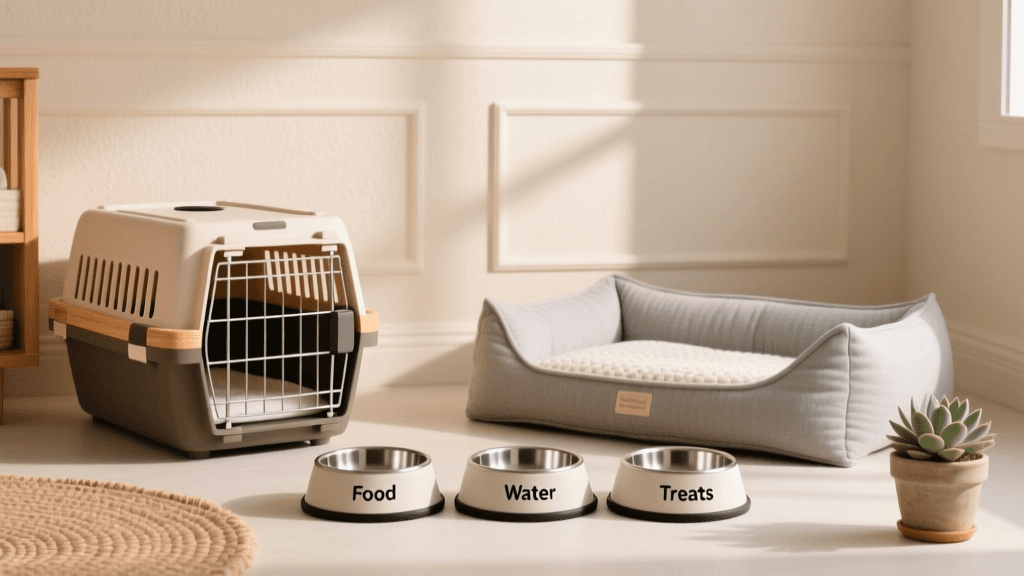
Space is at a premium, so utilize vertical space and multi-functional furniture. Invest in a collapsible 4x6 feet wire playpen for times when you cannot directly supervise your puppy. Pair this with a sound-muffling crate cover to help your dog sleep through hallway noise and neighbor disturbances.
Hallway and Elevator Etiquette Training
Apartment living means frequent encounters with strangers in confined spaces like elevators and lobbies. Begin 'elevator training' immediately. Teach your dog to sit in the back corner of the elevator and to ignore opening doors. Use high-value treats (like freeze-dried liver) to reward calm behavior when passing neighbors in narrow hallways. This prevents reactive lunging and keeps neighbors comfortable.
Pro Tip: Always ask your landlord or property management company for their specific breed and weight restrictions in writing before signing a lease or paying an adoption fee. Many properties enforce arbitrary weight limits (e.g., 'no dogs over 35 lbs') or ban specific breeds, regardless of the individual dog's temperament.
Adopting vs. Buying for Apartment Living
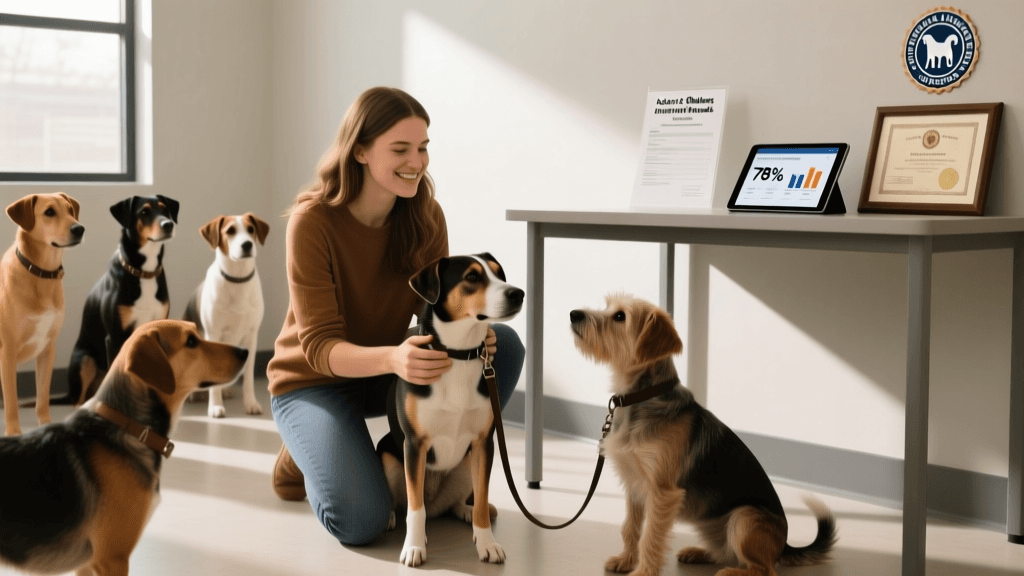
While buying a puppy from a reputable breeder allows you to predict a dog's adult size and temperament based on breed standards, adopting from a foster-based rescue is often the superior route for apartment dwellers. When a dog is in a foster home, the rescue can tell you exactly how the dog handles apartment noises, whether they are potty trained, and how they react to being left alone. For resources on navigating rentals with adopted pets, the Humane Society offers excellent guides on renting with pets and negotiating with landlords.
Conclusion
Selecting the right dog for an apartment requires looking beyond the puppy photos and critically evaluating energy levels, vocal tendencies, and your own daily schedule. Whether you opt for a snoozing Greyhound, an affectionate Cavalier, or a mixed-breed rescue with a known history of apartment living, success comes down to proper preparation. By budgeting for pet rent, dog walkers, and strategic indoor setups, you can create a thriving, happy environment for both you and your canine companion, proving that great dog ownership isn't about the size of your yard, but the size of your commitment.
anouk-beaumont
All our authors care for dogs every day — read more of their work on the authors page.