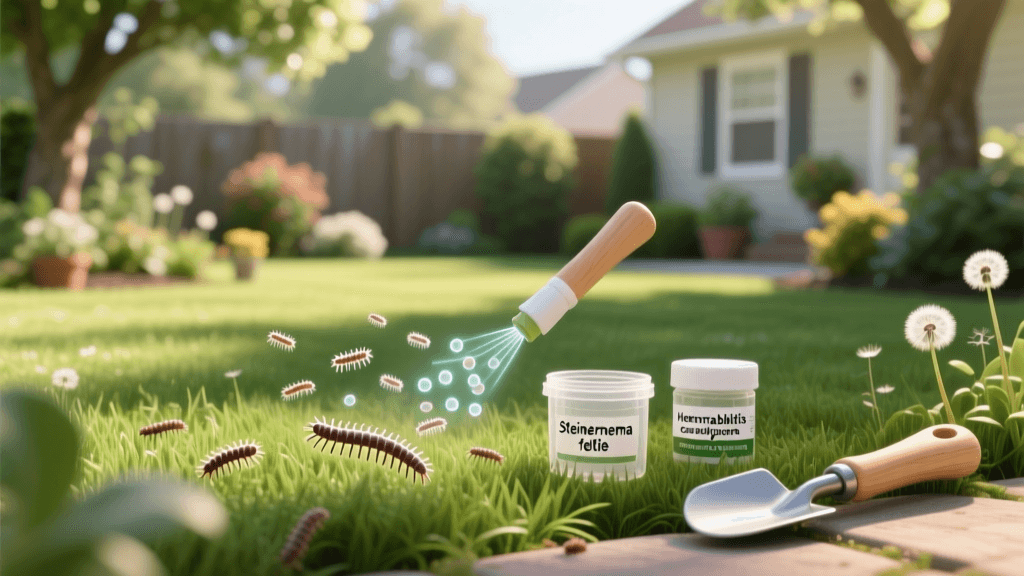
Holistic Flea Prevention Using Beneficial Nematodes 2026
Discover how to use beneficial nematodes for holistic, chemical-free flea control in your yard this 2026. Includes strain comparison and application tips.
The Shift Toward Holistic Yard Care in 2026
As we navigate the shifting climate patterns of 2026, dog owners are facing a challenging reality: flea and tick seasons are no longer confined to the summer months. Warmer winters and extended humid springs have created year-round parasite pressures in many regions. For holistic dog owners and those managing multi-pet households, the continuous use of synthetic chemical yard sprays—such as permethrin and bifenthrin—is becoming increasingly undesirable. These chemicals can pose severe risks to local pollinator populations, contaminate groundwater, and create toxic environments for our pets, particularly cats, who are highly sensitive to pyrethroids. Fortunately, the holistic approach to daily life with your dog offers a powerful, natural alternative: beneficial nematodes.
What Are Beneficial Nematodes?
Beneficial nematodes are microscopic, unsegmented roundworms that occur naturally in soils worldwide. Unlike the parasitic nematodes that can infect a dog's gastrointestinal tract (such as hookworms or roundworms), these specific strains are entomopathogenic, meaning they exclusively target and kill insects. When applied to your yard, these microscopic hunters actively seek out flea larvae, pupae, and other soil-dwelling pests.
According to the National Pesticide Information Center (NPIC), beneficial nematodes are completely safe for mammals, birds, earthworms, and plants. Once a nematode locates a flea larva, it enters the host's body through natural openings and releases a symbiotic bacteria. This bacteria rapidly multiplies, killing the flea larva within 24 to 48 hours. The nematodes then feed on the developing bacteria, reproduce inside the carcass, and release a new generation of hunters into the soil to continue the cycle. This biological warfare effectively breaks the flea life cycle at its most vulnerable stage without introducing a single synthetic toxin into your dog's environment.
Choosing the Right Strain for Flea Control
Not all nematodes hunt the same prey, and selecting the correct strain is critical for effective holistic flea management. Environmental factors such as soil temperature and moisture levels will dictate which strain will thrive in your specific yard. Below is a comparison of the three most effective nematode strains available to consumers in 2026.
| Nematode Strain | Primary Target Pests | Optimal Soil Temperature | Best Application Season |
|---|---|---|---|
| Steinernema carpocapsae | Flea larvae, caterpillars, webworms | 72°F - 90°F (22°C - 32°C) | Late Spring to Early Fall |
| Steinernema feltiae | Flea larvae, fungus gnats, thrips | 50°F - 78°F (10°C - 25°C) | Early Spring and Late Fall |
| Heterorhabditis bacteriophora | Flea pupae, Japanese beetles, grubs | 68°F - 85°F (20°C - 29°C) | Mid-Summer |
For most dog owners dealing with standard cat and dog fleas (Ctenocephalides felis), Steinernema carpocapsae is the gold standard during the peak heat of summer. However, if you live in a cooler climate or are treating your yard during the shoulder seasons of 2026, Steinernema feltiae is an excellent, cold-tolerant alternative that will continue hunting flea larvae even when the soil is relatively cool.
Step-by-Step Application Guide for Maximum Efficacy
Applying beneficial nematodes is slightly more involved than spraying a chemical pesticide, as you are dealing with living organisms. To ensure your nematodes survive the journey from the package to your soil, follow these precise steps recommended by Penn State Extension.
1. Prepare the Soil Environment
Nematodes require moisture to move through the soil matrix and locate their prey. Before application, thoroughly water your yard, focusing on shaded areas where dogs frequently rest and where flea larvae are most likely to congregate. Flea larvae despise direct sunlight and thrive in the damp, organic debris found under porches, near dog houses, and beneath shrubbery.
2. Mix with Care and Avoid UV Exposure
Ultraviolet light is lethal to beneficial nematodes. Always mix and apply your nematode solution in the early morning or late evening, or on a heavily overcast day. Empty the contents of your nematode package (often a sponge or powder formulation) into a bucket of lukewarm water (between 60°F and 70°F). Avoid using chlorinated tap water straight from the hose; if you must use municipal water, let it sit in an open bucket for 24 hours to allow the chlorine to off-gas, as chlorine will kill the nematodes on contact.
3. Application Techniques
Use a hose-end sprayer or a watering can to apply the mixture evenly across your targeted areas. If using a hose-end sprayer, ensure the screen or filter is removed so the microscopic worms are not trapped or crushed by the water pressure. Apply the solution at a rate of approximately 1 million nematodes per 3,000 square feet of yard space.
4. Post-Application Watering
Immediately after applying the nematode solution, lightly water the yard again. This second watering washes the nematodes off the grass blades and down into the top two inches of the soil, where the flea larvae reside. For the next 10 to 14 days, you must keep the soil consistently moist (but not waterlogged) to allow the nematodes to establish themselves and hunt effectively.
Complementary Holistic Indoor Strategies
While nematodes secure the perimeter of your yard, a truly holistic approach to life with your dog requires addressing the indoor environment without resorting to toxic foggers or synthetic spot-on treatments. In 2026, the integration of natural enzyme cleaners and botanical repellents has become highly sophisticated.
Inside the home, food-grade Diatomaceous Earth (DE) remains a staple for holistic pest control. DE is a fine powder made from the fossilized remains of diatoms. When flea adults or larvae crawl across DE, the microscopic sharp edges scratch their exoskeletons, causing them to dehydrate and die. When applying DE to carpets or dog bedding, always wear a mask to avoid inhaling the fine dust, and ensure you are using strictly food-grade DE, not the pool-grade variety which is chemically treated and dangerous.
Additionally, water-based cedarwood oil sprays have seen significant formulation improvements in 2026, allowing dog owners to mist baseboards and pet bedding without leaving behind heavy, oily residues. Cedarwood oil naturally repels adult fleas and masks the carbon dioxide trails that fleas use to locate your dog. Combining outdoor nematode applications with indoor DE and cedarwood oil creates a comprehensive, non-toxic shield around your pet.
Environmental Impact and Safety Considerations
One of the most compelling reasons to adopt beneficial nematodes is their alignment with Integrated Pest Management (IPM) principles. The Environmental Protection Agency (EPA) strongly advocates for IPM, which prioritizes biological controls over broad-spectrum chemical pesticides. By utilizing nematodes, you are actively protecting local ecosystems. Synthetic yard sprays indiscriminately kill beneficial insects, including native bees, ladybugs, and butterflies. Nematodes, conversely, ignore these vital pollinators and focus solely on soil-dwelling pests.
Furthermore, for multi-pet households that include feline companions, the shift away from chemical yard sprays is a matter of life and death. Many synthetic flea and tick yard treatments contain pyrethroids, which are highly toxic to cats. Even if the dog is treated separately, walking through a freshly sprayed yard and then grooming themselves can lead to severe neurological tremors in cats. Beneficial nematodes eliminate this cross-contamination risk entirely, offering peace of mind for holistic pet parents.
Conclusion
Embracing natural and holistic approaches to dog care does not mean sacrificing efficacy. By leveraging the biological power of beneficial nematodes, you can reclaim your yard from fleas without exposing your dog, your family, or the local environment to harmful synthetic chemicals. As the 2026 parasite season unfolds, take control of your outdoor space with a targeted, scientifically backed, and entirely natural strategy. Your dog will enjoy a safer, itch-free yard, and you can rest easy knowing your holistic lifestyle is protecting the broader ecosystem.
tom-renshaw
All our authors care for dogs every day — read more of their work on the authors page.