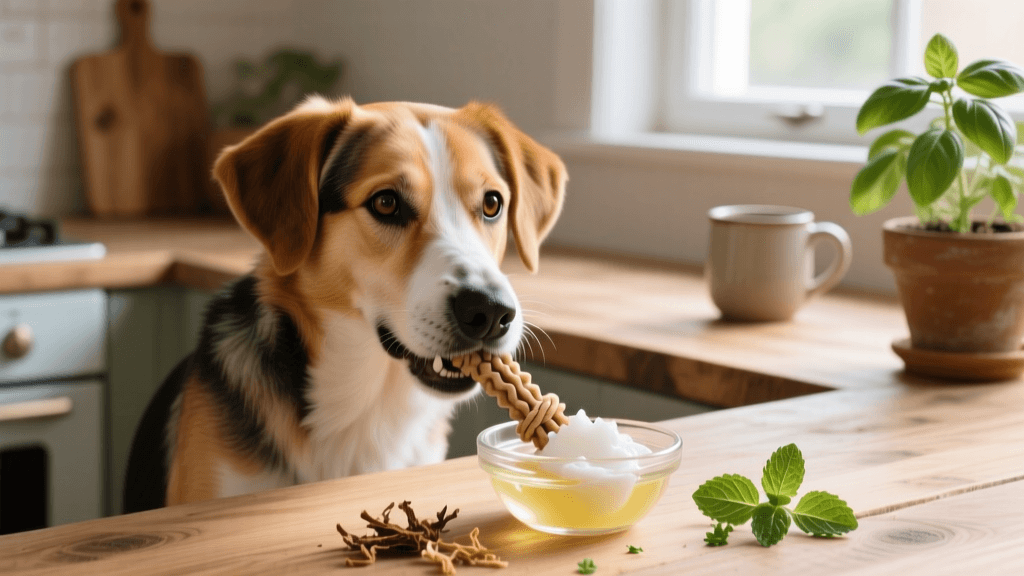
Holistic Dog Dental Care Routine 2026: Natural Chews & Coconut Oil
Discover the 2026 holistic dog dental care routine using coconut oil, natural chews, and herbal rinses to keep your pup's teeth clean without harsh chemicals.
The Shift Toward Holistic Canine Dental Care in 2026
As we navigate through 2026, the pet care industry is experiencing a massive paradigm shift. Dog owners are increasingly moving away from synthetic chemicals, artificial additives, and highly processed treats, opting instead for natural and holistic approaches to daily canine care. Nowhere is this more critical than in dental hygiene. According to the American Veterinary Medical Association (AVMA), periodontal disease remains the most common clinical condition occurring in adult dogs, affecting over 80% of canines by the age of three. However, the modern holistic approach proves that you do not need harsh chemical mouthwashes or glycerin-laden commercial dental chews to maintain your dog's oral microbiome and prevent tartar buildup.
A holistic dental routine focuses on mechanical scraping through natural chewing, antibacterial support via organic oils, and systemic health through species-appropriate nutrition. In this comprehensive guide, we will break down a complete, actionable, and natural dental care routine for your dog that fits seamlessly into your daily life.
Why Ditch Conventional Dental Chews?
Walk down the aisle of any big-box pet store, and you will find dozens of green, star-shaped dental chews promising to eliminate doggy breath. While they may carry the Veterinary Oral Health Council (VOHC) seal, a closer look at their ingredient lists often reveals a cocktail of glycerin, artificial colors (like Yellow 5 and Blue 1), and synthetic preservatives. Furthermore, many commercial chews rely on chlorhexidine or zinc ascorbate to mask odors and reduce bacteria, which can disrupt the natural, beneficial flora in your dog's oral microbiome and gastrointestinal tract.
Holistic veterinary professionals advocate for single-ingredient or whole-food alternatives that work with your dog's biology rather than against it. By leveraging the natural antibacterial properties of certain plant oils and the mechanical action of raw, natural chews, you can achieve superior dental health without the hidden costs of processed ingredients.
The Cornerstone: Coconut Oil Brushing Routine
Coconut oil is a powerhouse in the holistic medicine cabinet, and its benefits for canine dental health are well-documented. The secret lies in lauric acid, a medium-chain fatty acid that makes up about 50% of coconut oil. Lauric acid has proven antibacterial, antiviral, and antifungal properties. When applied to the gums and teeth, it actively combats Streptococcus mutans and Porphyromonas, the primary bacteria responsible for plaque formation and gingivitis in dogs.
How to Implement the Coconut Oil Routine
Brushing your dog's teeth does not require a commercial, poultry-flavored enzymatic toothpaste. Here is how to establish a natural coconut oil brushing routine:
- Step 1: Select the Right Oil. Always choose unrefined, cold-pressed, virgin coconut oil. Refined oils strip away the beneficial lauric acid and antioxidants.
- Step 2: Choose a Natural Brush. Ditch the plastic toothbrush. Use a soft-bristled, eco-friendly bamboo toothbrush designed for dogs, or simply wrap a piece of organic, unbleached medical gauze around your index finger.
- Step 3: Measure the Dose. Use approximately 1/4 teaspoon of coconut oil for small breeds (under 20 lbs), 1/2 teaspoon for medium breeds (20-50 lbs), and 1 full teaspoon for large and giant breeds. The oil will melt quickly from the heat of your fingers and your dog's mouth.
- Step 4: The Brushing Technique. Gently lift your dog's lip and massage the oil along the gum line in small circular motions. Focus heavily on the outer surfaces of the upper premolars and canines, where tartar accumulates fastest. You do not need to pry their mouth open to brush the inner teeth; the natural action of their tongue and chewing will help distribute the oil.
Frequency: Aim for daily application, but a minimum of three to four times a week will yield significant improvements in gum inflammation and breath odor within 30 days.
Natural Chewing Options for Mechanical Scraping
No amount of brushing can fully replicate the evolutionary mechanism dogs use to clean their teeth: gnawing on bones and cartilage. However, safety is paramount. The U.S. Food and Drug Administration (FDA) frequently issues warnings regarding cooked bones, which become brittle and can splinter, causing fatal gastrointestinal blockages or perforations. A holistic approach strictly utilizes raw bones and natural alternatives.
Raw Meaty Bones (RMBs) vs. Recreational Bones
Raw Meaty Bones (RMBs) are soft, pliable bones meant to be chewed and swallowed entirely. Examples include raw chicken necks, turkey necks, and duck frames. These act as natural toothbrushes, scraping plaque off the teeth as the dog crushes the cartilage and bone, while also providing a massive boost of natural calcium and phosphorus.
Recreational Bones are large, hard, weight-bearing bones (like raw beef knuckles or marrow bones) meant for gnawing, not swallowing. They are excellent for scraping tartar off the molars but must be monitored closely to prevent tooth fractures in aggressive chewers.
Comparison Chart: Holistic Dental Chews
| Natural Chew Type | Best For | Durability | Safety / Precautions | Est. Cost (2026) |
|---|---|---|---|---|
| Raw Turkey Necks (RMB) | Small to Medium Dogs | Low (10-15 mins) | Must be fed raw; supervise to prevent gulping. | $2.50 - $4.00 each |
| Single-Ingredient Bully Sticks | All Sizes / Puppies | Medium (20-40 mins) | High in calories; hold the end to prevent choking. | $4.00 - $8.00 each |
| Himalayan Yak Milk Chews | Aggressive Chewers | High (1+ hours) | Very hard; microwave the small end piece to soften. | $6.00 - $12.00 each |
| Raw Beef Knuckle Bones | Large / Giant Breeds | Very High (Days) | Recreational only; remove if sharp edges develop. | $8.00 - $15.00 each |
| Whole Deer Antlers (Split) | Senior / Gentle Chewers | High (Weeks) | Split antlers expose marrow; avoid whole antlers for puppies. | $15.00 - $25.00 each |
Herbal Rinses and Water Additives
For dogs that absolutely refuse a toothbrush, or as an adjunct to your brushing routine, holistic water additives and herbal rinses offer excellent support. Rather than using chemical enzymatic rinses, look to nature's pharmacy.
- Kelp (Ascophyllum nodosum): This specific strain of seaweed is a game-changer for canine dental health. When ingested, the compounds in kelp are absorbed into the bloodstream and secreted through the saliva, actively softening existing tartar and preventing new plaque from adhering to the enamel. A standard dose is 1/8 teaspoon per 25 lbs of body weight, sprinkled over their daily meals.
- Fresh Parsley and Peppermint: Finely chopped fresh parsley and a tiny pinch of crushed, dog-safe peppermint leaves can be steeped in warm water, cooled, and added to your dog's water bowl. This provides a natural source of chlorophyll, which neutralizes volatile sulfur compounds (the cause of bad breath) without disrupting the oral microbiome.
Dietary Foundations for Oral Health
You cannot out-brush a bad diet. Dogs fed a lifetime of highly processed, carbohydrate-rich kibble are at a significantly higher risk for periodontal disease. Carbohydrates break down into sugars, which feed the plaque-causing bacteria in the mouth. According to resources provided by the American Holistic Veterinary Medical Association (AHVMA), transitioning to a species-appropriate, low-carbohydrate, or raw diet is one of the most effective systemic treatments for canine dental disease. A diet rich in animal proteins, healthy fats, and natural enzymes promotes a balanced oral pH, making the mouth an inhospitable environment for pathogenic bacteria.
Additionally, incorporating canine-specific oral probiotics (strains like Streptococcus salivarius K12) can help repopulate the mouth with beneficial bacteria, crowding out the odor-causing and disease-causing strains.
Safety First: What to Avoid in Natural Dental Care
While natural is generally better, "natural" does not always mean "safe." As you build your 2026 holistic dental routine, strictly avoid the following:
- Cooked Bones of Any Kind: Boiling, baking, or smoking bones alters their cellular structure, making them brittle and prone to splintering. Always feed bones raw or purchase commercially prepared freeze-dried raw options.
- Xylitol (Birch Sugar): Often found in "natural" human peanut butters and some sugar-free holistic human dental products, xylitol is highly toxic to dogs and causes rapid, fatal hypoglycemia and liver failure. Always read labels meticulously.
- Tea Tree Oil and Wintergreen: While essential oils are popular in holistic human care, many are highly toxic to canines. Never apply tea tree, wintergreen, or pine oils to your dog's gums or teeth. Stick to food-grade coconut oil and safe culinary herbs.
- Weight-Bearing Bones for Puppies: Puppies have developing teeth that are softer than adult teeth. Hard recreational bones can easily cause slab fractures in puppy canines. Stick to soft RMBs and bully sticks until adult teeth are fully set.
Conclusion: Building Your 2026 Holistic Dental Schedule
Transitioning to a natural and holistic dental care routine is an investment in your dog's overall longevity. The mouth is the gateway to the body; chronic periodontal inflammation is directly linked to systemic issues, including heart and kidney disease. By combining the antibacterial power of virgin coconut oil, the mechanical scraping of raw and natural chews, and the systemic support of kelp and a low-carb diet, you are providing your dog with the most biologically appropriate dental care available.
Start slowly. Introduce the coconut oil on your finger as a treat before ever attempting to use a brush. Rotate your natural chews to keep your dog engaged and to target different areas of the mouth. With consistency and patience, your dog will enjoy a cleaner mouth, fresher breath, and a healthier life, all without a single synthetic chemical.
tom-renshaw
All our authors care for dogs every day — read more of their work on the authors page.