The Beginner's Handbook to Safe Car Travel With Dogs
Learn how to safely travel by car with your dog. This beginner's handbook covers crash-tested gear, acclimation steps, and essential road trip packing lists.
Welcome to the Complete Beginner's Handbook for Dog Car Travel
Taking your dog on the road can be one of the most rewarding experiences of pet ownership, whether you are embarking on a cross-country adventure or simply heading to the local park. However, for beginners, the logistics of canine car travel can feel overwhelming. From choosing the right safety restraints to managing motion sickness and packing the perfect travel kit, preparation is the key to a stress-free journey.
This comprehensive handbook is designed specifically for first-time traveling dog owners. We will cover the physics of car safety, provide a step-by-step acclimation protocol, and offer actionable advice complete with product recommendations, measurements, and estimated costs to ensure your pup arrives at your destination safely and happily.
The Hidden Dangers of Unrestrained Car Travel
Many new dog owners mistakenly believe that letting their dog roam freely in the backseat or sit on their lap is harmless. In reality, an unrestrained dog poses a severe risk to themselves, the driver, and other passengers. According to safety experts, in a collision at just 35 miles per hour, an unrestrained 60-pound dog turns into a 2,700-pound projectile. This immense force can cause fatal injuries to the dog and anyone in the vehicle's path.
Furthermore, an excited or anxious dog moving around the cabin is a major distraction. The ASPCA strongly advises against allowing pets to ride in the front seat or stick their heads out of moving windows, as this exposes them to flying debris, sudden stops, and the risk of ejection. Securing your dog is not just a recommendation; it is a fundamental aspect of responsible pet ownership and road safety.
Choosing the Right Restraint System
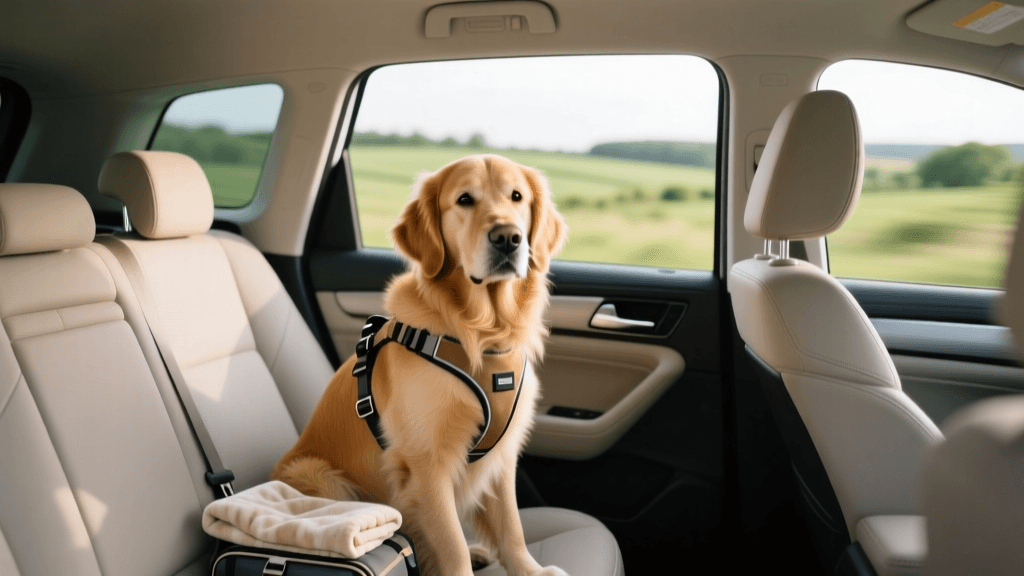
Not all pet travel gear is created equal. When shopping for a restraint, you must look beyond marketing buzzwords and seek out independent crash-test certifications. The Center for Pet Safety is the premier independent organization that conducts rigorous crash testing on pet travel products. Always look for their certification seal when making a purchase.
How to Measure Your Dog for Travel Gear
Proper fit is critical for safety. If a harness is too loose, your dog can slip out during a sudden stop. If a crate is too large, your dog will be thrown around inside it.
- For Harnesses: Use a soft measuring tape to measure the thickest part of your dog's chest (girth) just behind the front legs. Measure the base of the neck where the collar naturally sits. Compare these exact measurements to the manufacturer's sizing chart.
- For Crates and Carriers: Measure your dog from the tip of their nose to the base of their tail, and from the top of their head (or ears, if erect) to the floor. The ideal crate should be 2 to 4 inches longer and 2 to 4 inches taller than your dog's standing measurements. Any larger, and the crate loses its protective cocoon effect during a crash.
Restraint Comparison Chart
| Restraint Type | Best For | Estimated Cost | Safety Rating |
|---|---|---|---|
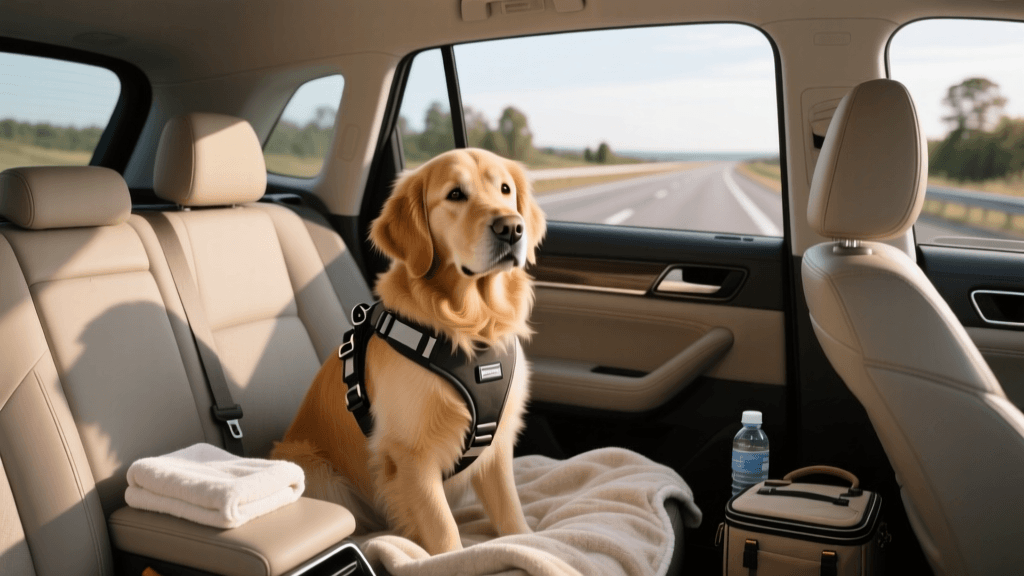
| Crash-Tested Harness (e.g., Sleepypod Clickit Sport) | Medium to Large Dogs; Frequent short trips | $80 - $130 | 5/5 (When CPS Certified) |
| Crash-Tested Crate (e.g., Gunner G1 Kennel) | All sizes; Long road trips; SUV/Cargo areas | $400 - $800 | 5/5 (Highest Protection) |
| Soft-Sided Carrier (e.g., Sleepypod Mobile Pet Bed) | Small Dogs & Cats (Under 15 lbs) | $150 - $220 | 4/5 (When secured with seatbelt) |
| Wire Mesh Vehicle Barrier | SUVs/Crossovers (Prevents driver distraction) | $30 - $60 | 1/5 (Does not protect in crash) |
The 14-Day Car Acclimation Protocol
If your dog whines, pants excessively, or refuses to enter the vehicle, they likely suffer from car anxiety or motion sickness. Do not force them into the car and immediately drive away. Instead, follow this 14-day desensitization protocol to build a positive association with the vehicle.
Phase 1: Stationary Positive Association (Days 1-4)
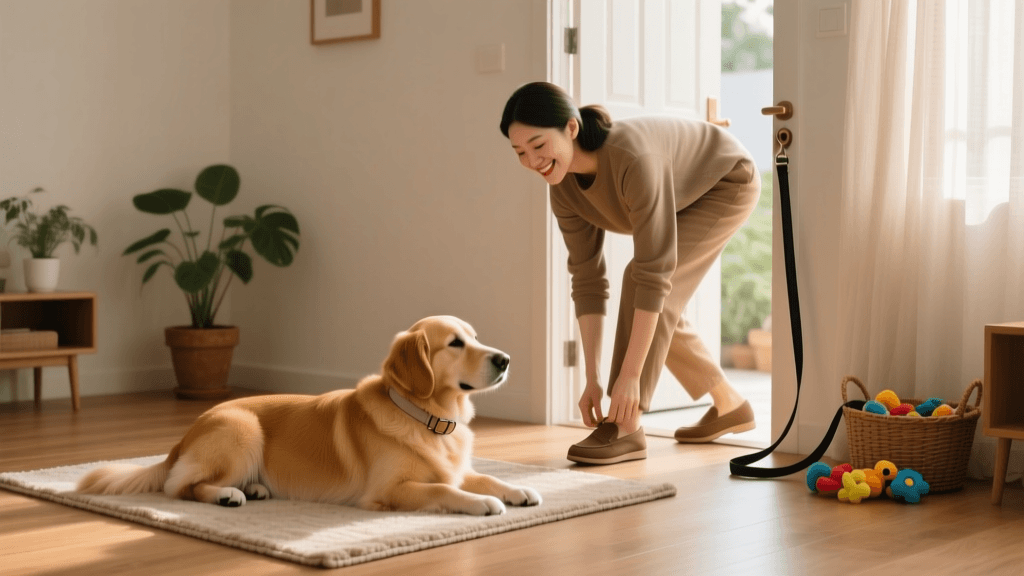
Park your car in a quiet, familiar driveway. With the engine off and the doors open, toss high-value treats (like freeze-dried beef liver or small pieces of boiled chicken) into the backseat where your dog's restraint will be. Allow them to enter and exit freely. Feed them their regular meals inside the stationary car. The goal is to teach them that the car is a safe, rewarding space.
Phase 2: Sensory Desensitization (Days 5-8)
Once your dog enters the car willingly, secure them in their harness or crate. Close the doors and start the engine, but do not put the car in gear. Let the engine idle for 5 to 10 minutes while you sit in the driver's seat, offering calm praise and occasional treats. This acclimates them to the vibration, sound, and smell of the running vehicle without the stress of movement.
Phase 3: Short, Positive Excursions (Days 9-14)
Begin taking very short drives—just 2 to 5 minutes around the block. Crucially, the destination must be highly rewarding. Drive to a favorite walking trail, a dog-friendly park, or a pet store that allows dogs. Avoid using the car exclusively for trips to the veterinarian during this phase, as this will reinforce negative associations. Gradually increase the drive time by 5 minutes each day until your dog is comfortable with longer durations.
Managing Motion Sickness and Anxiety
Canine motion sickness is incredibly common, especially in puppies whose inner ear structures (which control balance) are not fully developed. Signs include excessive drooling, lip smacking, whining, and vomiting.
- Fasting: Withhold food for 3 to 4 hours before a trip. A full stomach exacerbates nausea, while a slightly empty stomach settles more easily. Ensure fresh water remains available up until departure.
- Temperature and Airflow: Keep the car cool (around 68°F to 72°F) and crack a window slightly to provide fresh air and equalize ear pressure. The Humane Society of the United States notes that proper ventilation and a comfortable temperature are vital for reducing travel stress.
- Veterinary Interventions: If natural methods fail, consult your veterinarian. Prescription medications like Cerenia (maropitant citrate) are highly effective at blocking the vomiting center in the brain without causing severe drowsiness. For severe anxiety, vets may prescribe Trazodone or recommend clinically proven calming supplements containing L-theanine or melatonin.
The Ultimate Road Trip Packing List
Packing for a dog requires more than just grabbing a leash and a bag of kibble. Use this checklist to ensure you have all the practical necessities for a smooth trip.
- Collapsible Silicone Travel Bowl ($10 - $15): Essential for offering water at rest stops without taking up excess space.
- Enzymatic Stain and Odor Cleaner ($12 - $18): Brands like Nature's Miracle are crucial for quickly breaking down proteins if your dog has an accident in a hotel room or rental property.
- Canine First-Aid Kit ($30 - $45): Must include styptic powder (for torn nails), gauze, self-adhering vet wrap, tweezers (for ticks or thorns), and a digital pet thermometer.
- Extra Leash and Harness ($25 - $40): Gear can break, get lost, or become soiled. Always have a backup restraint system.
- Familiar Scent Item ($0): Bring an unwashed t-shirt that smells like you, or your dog's favorite blanket from home. Familiar scents drastically reduce anxiety in new environments like hotel rooms or Airbnbs.
- Water Jug and Funnel ($5): Do not rely on your dog drinking from unfamiliar municipal water sources or puddles, which can harbor Giardia or Leptospirosis. Bring a dedicated gallon of water from home.
Rules of the Road: Rest Stops and Heat Safety
When mapping out your route, plan for a rest stop every 2 to 3 hours. At each stop, allow your dog 10 to 15 minutes to stretch their legs, relieve themselves, and hydrate. Offer 4 to 8 ounces of water per stop to prevent dehydration without causing a dangerously full bladder or bloating.
CRITICAL WARNING: Never leave your dog unattended in a parked vehicle. According to veterinary research, on a seemingly mild 78°F day, the temperature inside a parked car can surge past 100°F in just 10 minutes, and reach 120°F within 30 minutes. Cracking the windows provides virtually no cooling effect and will not prevent fatal heatstroke.
By investing in certified safety gear, taking the time to properly acclimate your dog, and packing strategically, you transform car travel from a stressful chore into an enjoyable bonding experience. Safe travels to you and your best friend!
aaron-whyte
All our authors care for dogs every day — read more of their work on the authors page.