Azawakh Recall Training: Managing Prey Drive in 2026
Master Azawakh recall training in 2026 with our step-by-step prey drive management guide, featuring GPS gear, whistle cues, and sighthound conditioning.
Understanding the Azawakh Mindset in 2026
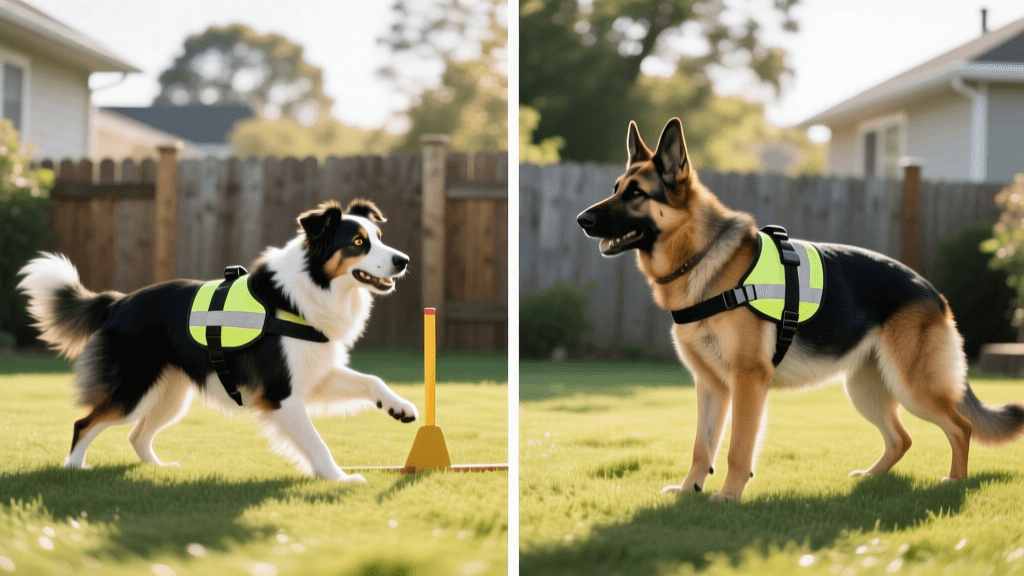
The Azawakh is a striking, ancient sighthound originating from the Sahel region of West Africa. Bred by nomadic Tuareg tribes to protect camps and hunt fleet-footed game across unforgiving desert terrain, this breed is characterized by its extreme elegance, aloofness, and intense prey drive. As exotic and international breeds continue to surge in popularity throughout 2026, more experienced dog owners are bringing Azawakhs into their homes. However, new owners quickly discover that traditional obedience methods designed for biddable working breeds like the Border Collie or Labrador Retriever completely fail with this independent African sighthound.
Unlike breeds that live to please their handlers, the Azawakh operates on a partnership model. They are highly sensitive, deeply observant, and possess a neurological wiring that prioritizes visual movement above almost all else. According to the American Kennel Club (AKC), the Azawakh is fiercely loyal to its family but notoriously reserved with strangers and highly reactive to small, fast-moving animals. Achieving a reliable recall with this breed is not about demanding submission; it is about building a reinforcement history so compelling that the dog chooses to return to you over the thrill of the chase.
Essential Gear for Sighthound Recall Training
Before initiating any off-leash or long-line conditioning, you must equip yourself with the right tools. In 2026, advancements in tracking technology and durable materials have made sighthound training safer than ever, but the fundamentals remain rooted in physical control and high-value motivation.
| Equipment | Purpose | 2026 Estimated Cost |
|---|---|---|
| 30-50ft Biothane Long Line | Safe distance recall practice without rope burn or water absorption. | $55 - $85 |
| Garmin Alpha 200 / TT25 GPS | Real-time off-leash tracking in dense brush or open fields. | $700 - $900 |
| Acme 211.5 Sighthound Whistle | Consistent, long-distance auditory cue that cuts through wind. | $15 - $25 |
| Freeze-Dried Venison Lung | Ultra-high-value, lightweight reward for rapid reinforcement. | $25 - $35 per lb |
| Snappy Trainer or Flirt Pole | Controlled prey-drive simulation for impulse control drills. | $30 - $60 |
Never use standard nylon or cotton long lines for an Azawakh. When a 45-pound sighthound hits the end of a cotton line at 25 miles per hour, the resulting friction will severely burn your hands and potentially snap the line. Biothane is waterproof, mud-proof, and slides easily through leather gloves, making it the undisputed standard for field training in 2026.
The 4-Phase Recall Conditioning Protocol
Training an Azawakh requires patience, precision, and an understanding of operant conditioning. We utilize a marker-based approach, heavily inspired by the methodologies outlined by Karen Pryor Clicker Training, to bridge the gap between the dog's action and the delivery of the reward.
Phase 1: The Engagement and Name Game
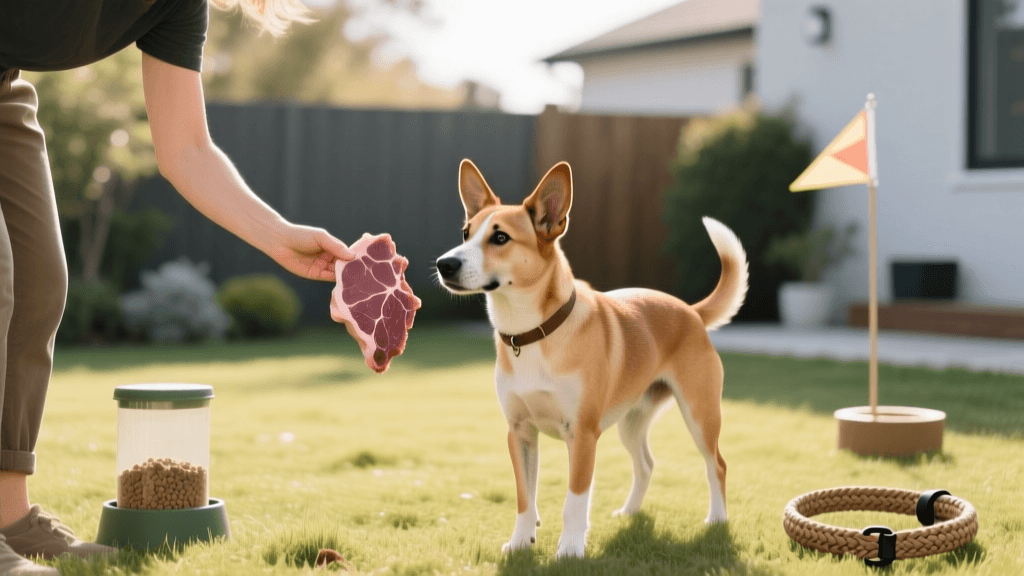
Before your Azawakh will come when called, they must value your presence. In a low-distraction environment (like your living room or a fenced yard), say your dog's name. The exact millisecond they make eye contact, use a mechanical clicker or a verbal marker like 'Yes!', followed immediately by a piece of freeze-dried venison. Repeat this 50 times a day in various rooms. You are teaching the dog that hearing their name and looking at you is the most profitable decision they can make.
Phase 2: Whistle Association
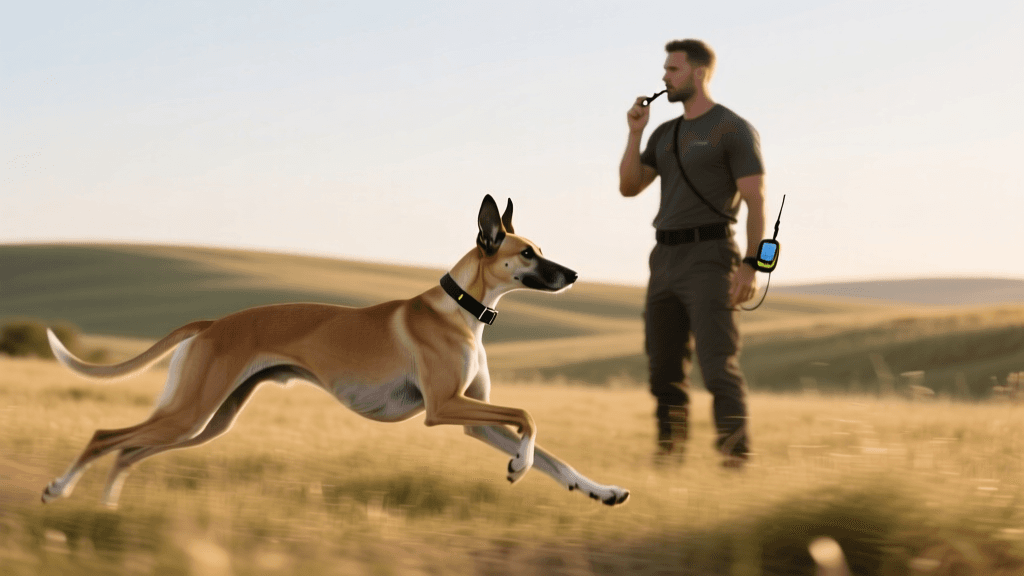
Human voices change pitch when we are frustrated, tired, or panicked. An Azawakh will easily detect your anxiety and may choose to ignore a stressed vocal recall. A whistle provides a consistent, emotionless acoustic signal. Blow one short blast on the Acme 211.5 whistle, click when the dog turns toward you, and reward heavily. Over the course of three weeks, pair the whistle blast with the physical act of running toward you for a high-value treat. Never blow the whistle if the dog is actively chasing something; you will poison the cue.
Phase 3: Controlled Distraction and Long-Line Work
Attach the 30-foot Biothane long line. Allow the dog to sniff and wander. When they are mildly distracted, give one whistle blast. If they return, reward with a 'jackpot' (3-4 pieces of venison lung given one by one). If they do not return, do not repeat the cue. Instead, gently reel them in using the long line, reward them for arriving (even if forced), and reset. The AKC recall training guidelines emphasize that repeating a recall command teaches the dog that the cue is optional. With an Azawakh, a single, clear cue followed by physical guidance is paramount.
Phase 4: The Emergency 'Down' or 'Watch Me'
Because an Azawakh's prey drive can override even the most heavily reinforced recall, you must train an incompatible behavior. Teaching a rapid, distance 'Down' or a sustained 'Watch Me' gives you a secondary brake. If a rabbit darts across the field and your dog locks onto it, a recall may fail. However, a conditioned 'Down' drops their center of gravity and breaks their visual fixation on the horizon, allowing you to secure them via the long line or approach safely.
Prey Drive Trigger Hierarchy & Desensitization
To safely manage an Azawakh off-leash (which should only be attempted in legally permitted, secure areas with GPS tracking), you must understand their trigger hierarchy. Desensitization must occur from the bottom up. Do not attempt Level 3 training until Level 1 is flawless.
| Trigger Level | Scenario | Required Distance for Success | Training Goal |
|---|---|---|---|
| Level 1 | Squirrels or birds at a distance | 50+ feet | Dog looks at prey, then voluntarily looks back at handler for a click/treat. |
| Level 2 | Scent trails of rabbits or deer | 20-30 feet | Dog sniffs trail but responds to whistle cue without pulling on the long line. |
| Level 3 | Controlled lure (flirt pole) movement | 10-15 feet | Dog engages in chase but drops the lure immediately upon hearing the 'Leave It' or 'Down' cue. |
| Level 4 | Actual fleeing wildlife (deer, fox) | N/A (Management required) | Emergency Down or immediate GPS tracking. Off-leash privileges revoked if engagement occurs. |
In 2026, veterinary behaviorists strongly advise against 'e-collar' or shock-collar conditioning for sighthound prey drive. The Azawakh is a profoundly sensitive breed; pain or fear-based corrections often result in 'shutting down,' generalized anxiety, or redirected aggression. Instead, rely on management, long-lines, and massive reinforcement for disengagement.
Common Mistakes to Avoid
- Calling the Dog for Unpleasant Events: Never use your recall cue to call your Azawakh for a bath, nail trim, or to end a fun park session. If you must end play, walk out to them, leash them, and initiate a fun game of tug before leaving.
- Expecting Golden Retriever Reliability: A 95% reliable recall is considered exceptional for an Azawakh. Always maintain a realistic understanding of their genetic predispositions. If a herd of deer appears, instinct will likely win. This is why the Garmin Alpha 200 GPS collar is not just a luxury, but a vital safety net for sighthound owners in 2026.
- Insufficient Exercise Before Training: An Azawakh with pent-up physical energy cannot focus on impulse control. Provide at least 45 minutes of rigorous, free-running exercise in a secure, fenced sighthound paddock before attempting focused obedience work.
Conclusion
Training an Azawakh to manage its prey drive and respond to a recall is a marathon, not a sprint. It requires a deep respect for the breed's heritage, an investment in premium 2026 training gear, and an unwavering commitment to positive reinforcement. By utilizing whistle cues, Biothane long lines, and structured desensitization protocols, you can forge a bond of mutual trust with your exotic sighthound. Remember, you are not breaking the dog's spirit or eliminating their drive; you are simply teaching them that returning to you is the most rewarding hunt of all.
beth-carrasco
All our authors care for dogs every day — read more of their work on the authors page.