Best Raw Food Rewards for Recall Training Guide 2026
Discover how to use raw organ meats and fresh diets as high-value rewards to master distracted recall training with your dog in 2026.
The Evolution of Canine Recall Training in 2026
As we navigate the pet care landscape in 2026, the intersection of canine nutrition and behavioral conditioning has never been more pronounced. Dog owners and professional trainers alike are moving away from highly processed, carbohydrate-heavy training treats and embracing raw, fresh, and alternative diets as the ultimate tool for obedience training. When it comes to the most critical of all obedience commands—the emergency recall—traditional kibble or commercial biscuits often fail to compete with high-distraction environments like busy dog parks, wildlife-rich hiking trails, or urban streets. To achieve a bulletproof recall, trainers are increasingly turning to biologically appropriate, high-value raw food rewards that tap directly into a dog's primal instincts and olfactory drives.
Why Traditional Treats Fail in High-Distraction Environments
Recall training requires your dog to make a split-second decision to abandon a highly stimulating activity—such as chasing a squirrel or playing with another dog—and return to you. In 2026, veterinary behaviorists emphasize that the reward must outweigh the environmental distraction. Commercial treats, while convenient, often lack the complex aromatic profiles required to trigger a massive dopamine release in the canine brain. When a dog is operating at high arousal levels, a dry, starchy treat simply does not register as a 'jackpot' reward. By utilizing fresh, raw meats and organs, you introduce a scent profile that is biologically hardwired to capture your dog's undivided attention, effectively cutting through the noise of the environment and accelerating the conditioning process.
The Biological Advantage of Raw and Fresh Rewards
Dogs possess up to 300 million olfactory receptors, compared to our mere six million. The scent of raw, fresh meat, blood, and organs stimulates the vomeronasal organ, triggering deep-seated predatory and foraging instincts. When you use raw organ meats for training, you are not just offering a snack; you are providing a sensory experience that commands focus. The moisture content, natural enzymes, and volatile aromatic compounds present in raw foods make them infinitely more valuable than dehydrated alternatives. This biological advantage is the cornerstone of modern, positive-reinforcement recall training protocols utilized by top-tier competition obedience handlers and search-and-rescue teams in 2026.
Top Raw and Fresh Rewards for Recall Training
Selecting the right raw reward depends on your dog's individual preferences, your handling comfort level, and the specific training environment. Below is a comprehensive comparison of the most effective raw and fresh rewards for recall training this year.
| Reward Type | Scent Profile & Intensity | Preparation & Handling | Caloric Density |
|---|---|---|---|
| Raw Beef Liver | Extremely High; metallic, rich, and pungent | Dice into pea-sized cubes; store in a silicone treat pouch | Low to Moderate |
| Raw Green Tripe | Overpowering; fermented, earthy, and intensely attractive to dogs | Best used in a sealed bait bag; highly aromatic and messy | Moderate |
| Fresh Quail Eggs | Moderate; sulfurous and rich in natural fats | Feed whole or cracked; excellent for 'jackpot' rewards | High |
| Raw Salmon Chunks | High; oily, marine, and distinct | Use fresh or flash-frozen; rich in Omega-3s for cognitive support | Moderate |
| Raw Beef Heart | Moderate to High; dense, meaty, and blood-rich | Easy to dice; less messy than liver but highly motivating | Low |
1. Raw Beef Liver: The Ultimate Recall Magnet
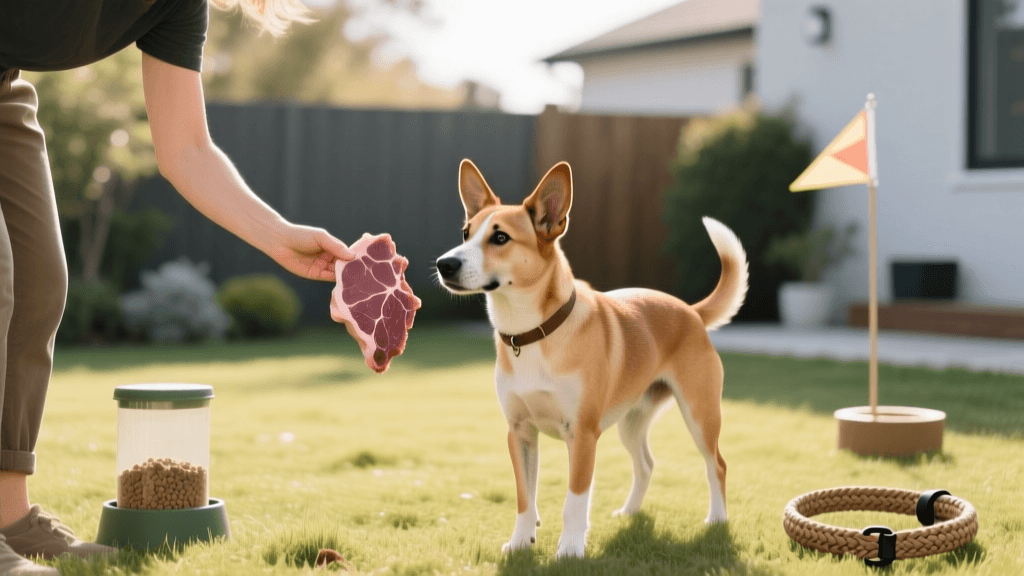
Beef liver is widely considered the gold standard for high-distraction recall training. Its strong scent carries well on the wind, allowing your dog to 'smell' the reward from a distance. Because it is so rich, it should be cut into tiny, pea-sized pieces to prevent gastrointestinal upset while allowing for rapid, repetitive reinforcement during a training session.
2. Raw Green Tripe: The Secret Weapon for Stubborn Dogs
Green tripe (the unbleached, unprocessed stomach lining of ruminants) has an odor that most humans find repulsive, but dogs find utterly intoxicating. For dogs that are highly food-motivated but easily distracted by scents in the environment, green tripe provides an olfactory competition that almost always wins. Keep it in a dedicated, washable silicone bait bag to contain the smell until the exact moment of the recall.
3. Fresh Quail Eggs: The 'Jackpot' Reward
Quail eggs are a phenomenal alternative diet staple and a perfect 'jackpot' reward for a flawless emergency recall. The act of cracking a fresh quail egg into your dog's mouth provides a unique texture and a high-value fat profile that reinforces the behavior powerfully. Use these sparingly for the most critical recall scenarios, such as calling your dog away from a dangerous hazard.
The 2026 Distracted Recall Protocol Using Fresh Meats
Implementing raw rewards requires a structured approach to ensure your dog associates the high-value food exclusively with the recall command. Follow this progressive protocol to build a reliable response.
Phase 1: Baseline Engagement (Low Distraction)
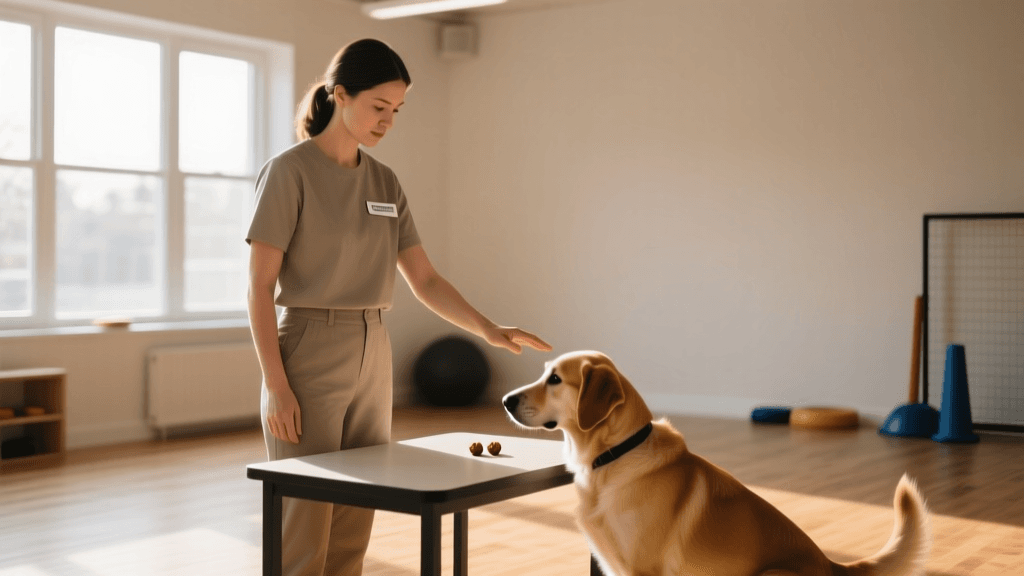
Begin in a quiet, familiar environment like your living room or a fenced backyard. Equip yourself with a silicone treat pouch filled with diced raw beef heart or liver. Say your dog's name followed by your recall cue (e.g., 'Come'). When they arrive, deliver the raw reward directly to their mouth, followed by enthusiastic verbal praise. Repeat this 10 to 15 times per session, ensuring the dog consumes the treat rapidly and remains engaged.
Phase 2: The 'Jackpot' Mechanism
Introduce the concept of variable reinforcement. On the third or fourth successful recall, instead of a single piece of liver, deliver a 'jackpot'—a whole fresh quail egg or a generous handful of green tripe. This unpredictability mimics the thrill of the hunt and keeps your dog guessing, thereby increasing their drive to return to you every single time they hear the cue.
Phase 3: Proofing in High-Distraction Environments
Take your training to a local park or trail. Use a long-line leash (15 to 30 feet) for safety. Allow your dog to engage in sniffing or playing, then issue the recall command. The moment they disengage from the distraction and orient toward you, use a high-pitched, encouraging tone. Upon their return, immediately present the raw green tripe or salmon chunks. The intense aroma will validate their decision to leave the distraction.
Phase 4: Off-Leash Reliability and Fading the Lure
Once your dog is consistently returning to you on the long-line in high-distraction areas, begin testing off-leash in secure, enclosed areas. Gradually transition from rewarding every single recall with raw meat to a variable schedule, mixing in fresh vegetables (like blueberries or carrots) or a quick game of tug to ensure the dog does not become solely dependent on the presence of raw meat in your hand.
Balancing the Bowl: Adjusting Your Dog's Fresh Diet
One of the most common mistakes owners make when incorporating raw foods into training is failing to adjust the dog's daily meal allowance. In 2026, veterinary nutritionists strongly advise tracking the caloric and macronutrient intake of training treats to prevent obesity and nutrient imbalances. If you are feeding a commercial fresh diet or a homemade raw prey model, you must subtract the weight and caloric value of the training treats from your dog's daily dinner. For example, if you use 4 ounces of raw beef liver during a weekend training seminar, reduce the liver content in their evening meal by 4 ounces to maintain the proper 80/10/5/5 (muscle meat/bone/liver/secreting organ) ratio essential for long-term canine health.
Safe Handling and Hygiene for Raw Training Treats
While the benefits of raw food rewards are immense, safety and hygiene must remain a top priority. The FDA provides comprehensive guidelines on the safe handling of raw pet food diets to prevent cross-contamination with pathogens like Salmonella and Listeria. When preparing raw treats for training, always use dedicated cutting boards and knives that are thoroughly sanitized with a bleach solution after use. Store your pre-diced training treats in airtight, BPA-free silicone containers in the freezer, thawing only what you need for the day's session in the refrigerator. During outdoor training, use insulated treat pouches with ice packs to keep the raw meats at a safe temperature, especially during the warmer months. Always wash your hands thoroughly with soap and warm water immediately after handling raw training rewards.
Troubleshooting Common Recall Roadblocks
Even with the highest value raw rewards, recall training can hit snags. If your dog takes the treat but immediately bolts back to the distraction, you are likely rewarding the 'grab and go' behavior. To fix this, practice the 'collar grab' technique: when your dog arrives, gently hold their collar while feeding the raw treat, teaching them that recall means staying close to you, not just touching your hand. Additionally, ensure you are not repeating the recall command. According to the American Kennel Club's training experts, repeating the command teaches the dog that they do not need to respond the first time. If your dog ignores the cue, use the long-line to gently guide them back, but do not offer the high-value raw reward upon arrival; instead, reset and try again at a closer distance with fewer distractions. By combining the irresistible biological appeal of raw, fresh foods with structured, positive-reinforcement protocols, you will forge a recall command that is not just obedient, but enthusiastic and deeply ingrained in your dog's behavioral repertoire for 2026 and beyond.
aaron-whyte
All our authors care for dogs every day — read more of their work on the authors page.