Azawakh Training in 2026: Socializing Exotic Sighthounds
Discover expert Azawakh training techniques for 2026. Learn how to socialize and teach recall to this exotic West African sighthound safely.
Understanding the Azawakh: A Primitive Sighthound
The Azawakh is a striking, exotic sighthound originating from the Sahel region of West Africa. Historically bred by the Tuareg people to guard camps and hunt swift game across harsh desert terrains, this breed possesses a deeply ingrained independence, fierce loyalty, and a high prey drive. As we navigate the dog training landscape in 2026, the Azawakh has seen a surge in popularity among experienced dog enthusiasts seeking a unique, international breed. However, standard obedience methods that work seamlessly on biddable breeds like Golden Retrievers or Border Collies often fail spectacularly with primitive breeds.
According to the American Kennel Club's Azawakh Profile, these dogs are notably aloof with strangers and highly sensitive to their environment. Training an Azawakh requires a profound understanding of their psychology, emphasizing trust-building, positive reinforcement, and meticulous early socialization. In this comprehensive guide, we will explore the most effective, science-backed training methodologies for the Azawakh in 2026, ensuring your exotic companion thrives in a modern household.
The Critical Socialization Window for Exotic Breeds
For primitive and exotic breeds, the socialization window between 8 and 16 weeks of age is not just important; it is the absolute foundation of their future behavioral stability. Azawakhs are naturally predisposed to neophobia (fear of new things) as a survival mechanism. If they are not exposed to a wide variety of stimuli during this critical period, they can develop severe reactivity or fearful aggression.
Urban Desensitization Protocols
Living in a modern, bustling environment requires specific desensitization techniques. In 2026, certified veterinary behaviorists recommend a structured 'exposure diet' rather than overwhelming the puppy. This involves controlled, low-stress introductions to novel stimuli.
- Surface Training: Azawakhs have sensitive paw pads and can be suspicious of strange textures. Introduce them to gravel, metal grates, wet grass, and tactile puzzle mats using high-value treats like freeze-dried venison or camel milk.
- Acoustic Conditioning: Use spatial audio apps designed for canine desensitization to play city sounds (sirens, traffic, construction) at a low volume while feeding meals, gradually increasing the decibel level over several weeks.
- Stranger Protocol: Unlike retrievers, Azawakhs do not inherently want to greet strangers. Instruct visitors to ignore the puppy entirely, allowing the dog to initiate contact on its own terms. This builds confidence without triggering a flight response.
Mastering Recall: Managing High Prey Drive
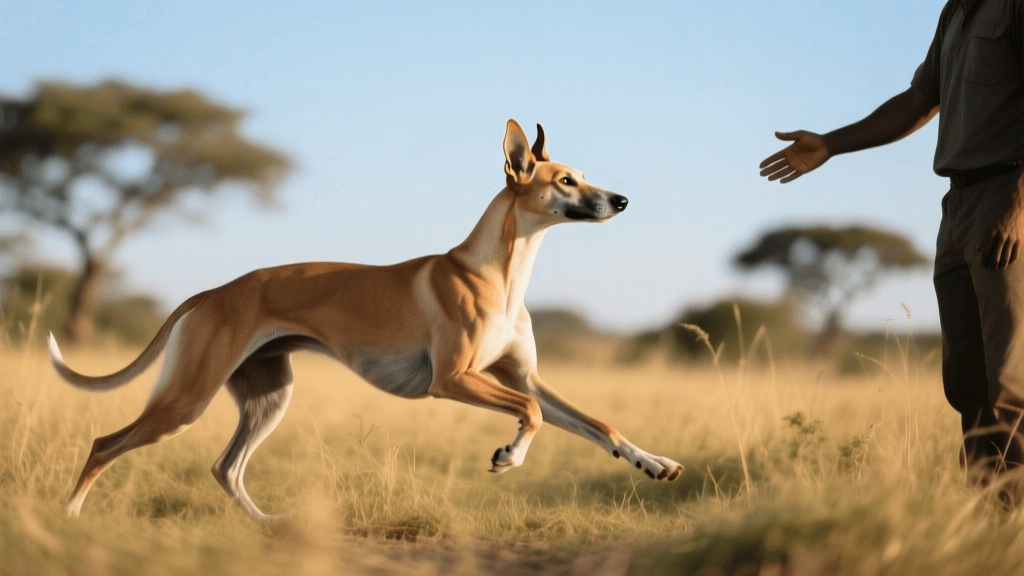
The most significant challenge Azawakh owners face is recall. As sighthounds, their eyes are hardwired to detect movement at incredible distances. Once an Azawakh locks onto a squirrel, rabbit, or even a blowing plastic bag, their auditory processing effectively shuts down. The ASPCA Dog Training Guidelines emphasize that off-leash reliability in high-prey-drive breeds requires months of specialized conditioning, not just basic backyard practice.
The Biothane Long-Line Method
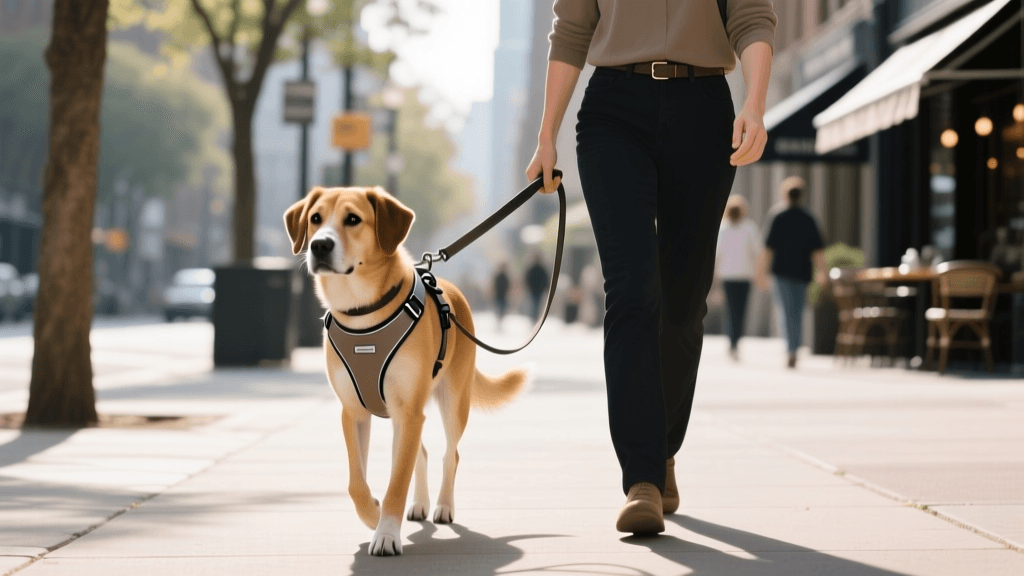
To safely train recall without risking your dog's life, you must utilize a long line. In 2026, the industry standard for sighthounds is a 30-foot Biothane long line attached to a secure, escape-proof harness. Biothane is preferred over nylon or cotton because it does not absorb water, drag in the mud, or cause friction burns if the dog suddenly bolts.
Step-by-Step Recall Conditioning:
- Engagement First: Before unclipping the leash in a fenced area, spend 10 minutes playing an engagement game (like flirt pole chasing) to satisfy their initial prey drive.
- The 'Touch' Command: Teach a hand-targeting 'touch' command. Present your palm, and when the dog's nose touches it, mark with a clicker and reward. This gives them a specific, physical job to do when called, bypassing the abstract concept of 'come'.
- Emergency U-Turn: Teach a cue like 'Let's Go!' that means turning 180 degrees and sprinting away from the current focus. Azawakhs love to chase; by running away, you trigger their instinct to follow you.
Behavioral Conditioning: The 'Look At That' Game
Leash reactivity is common in international guardian breeds. The Azawakh's instinct is to protect its territory and pack. When they see an unfamiliar dog or person approaching on a leash, they may lunge or vocalize to create distance. The Humane Society of the United States advocates for counter-conditioning techniques to alter the dog's emotional response to triggers.
The 'Look At That' (LAT) game, pioneered by canine behaviorist Leslie McDevitt, remains a cornerstone of reactive dog training in 2026. When your Azawakh spots a trigger at a sub-threshold distance (far enough away that they notice it but do not react aggressively), you mark the behavior with a 'yes' or a click, and feed a high-value treat. You are essentially teaching the dog: 'Seeing a strange dog predicts that chicken is going to appear.' Over time, the dog will look at the trigger and immediately look back at you, expecting a reward rather than feeling the need to defend the space.
Technology Integration: GPS and Virtual Geofencing
While off-leash freedom in unfenced areas is never 100% safe for a sighthound, modern technology provides a crucial safety net during training in enclosed or semi-enclosed spaces. The latest 2026 models of GPS smart collars feature advanced virtual geofencing and real-time escape alerts. If your Azawakh slips its harness or breaches a designated training boundary, the collar instantly sends a push notification to your smartphone with pinpoint location tracking. This technology allows trainers to work on distance stays and emergency recalls in large, open fields with significantly reduced anxiety.
Azawakh Training Milestones and Timelines
Because primitive breeds mature slower mentally than domestic working breeds, expectations must be adjusted. Below is a structured timeline for Azawakh training milestones based on current 2026 behavioral standards.
| Age Range | Primary Training Focus | Recommended Equipment | Expected Success Rate |
|---|---|---|---|
| 8 - 16 Weeks | Socialization, Handling, Bite Inhibition | Soft treat pouch, tactile mats | High (Sponge phase) |
| 4 - 8 Months | Basic Cues, Leash Manners, LAT Game | Front-clip harness, Biothane leash | Moderate (Adolescent regression) |
| 8 - 14 Months | Advanced Recall, Impulse Control | 30ft Long-line, Flirt pole | Variable (Requires high patience) |
| 14 - 24 Months | Off-Leash Reliability (Fenced Only) | GPS Smart Collar, Escape-proof harness | High (Mental maturity reached) |
Handling Sensitivity and Grooming Conditioning
Azawakhs are notoriously sensitive to touch, particularly around their paws, ears, and tail. In the show ring or at the veterinary clinic, they must tolerate thorough examinations. If you adopt an older Azawakh or missed the early puppy window, you must implement cooperative care techniques. Start by pairing the sight of grooming tools (like a soft bristle brush or nail clippers) with a lick mat smeared with goat's milk or peanut butter. Allow the dog to opt-in to the handling. If they move away, respect their boundary and try again later at a lower intensity. Forcing compliance will permanently damage the trust you have built with this sensitive breed.
Conclusion: Patience is the Ultimate Tool
Training an Azawakh in 2026 is a deeply rewarding journey that requires shedding traditional, dominance-based obedience paradigms. By respecting their primitive heritage, utilizing modern positive reinforcement protocols, and leveraging the latest safety technology, you can forge an unbreakable bond with your exotic sighthound. Remember that an Azawakh will never be a robotic obedience machine; they are independent thinkers who choose to follow you out of mutual respect and love. Celebrate the small victories, keep your training sessions short and engaging, and embrace the unique, majestic spirit of the West African sighthound.
aaron-whyte
All our authors care for dogs every day — read more of their work on the authors page.