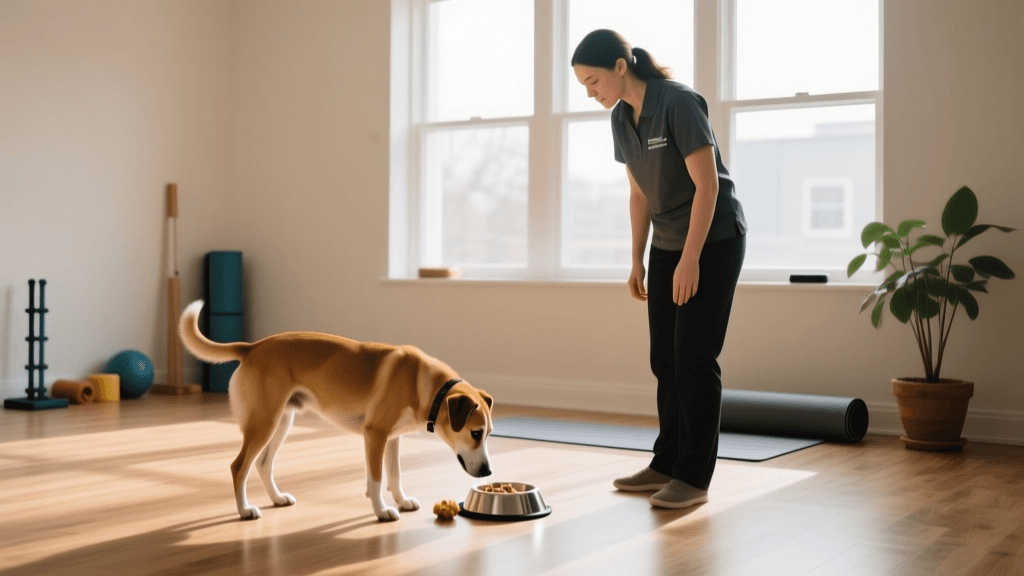
Boundary Training: Dog-Proofing Rooms Without Using Doors
Learn how to use boundary training and dog-proofing tools to keep your pet out of restricted rooms safely using positive reinforcement techniques.

Introduction to Boundary Training and Home Environment
Welcome to Paws-Tales, your premier destination for expert dog care and behavioral conditioning. When bringing a new dog or puppy into your home, managing their environment is just as critical as teaching them basic obedience. While closing doors is the simplest way to restrict access, it is not always practical or possible in modern, open-concept homes. This is where boundary training becomes an essential skill. Boundary training teaches your dog to respect invisible or physical thresholds, ensuring they stay out of hazardous areas like kitchens, home offices, or nurseries without the need for constant supervision.
Effective dog-proofing is a combination of environmental management and behavioral conditioning. By pairing the right physical tools with positive reinforcement training, you can create a safe, harmonious living space. In this comprehensive guide, we will explore the best dog-proofing products, outline a step-by-step training protocol, and provide actionable advice to help your dog master indoor boundaries.
The Philosophy of Environmental Management
Before diving into training techniques, it is vital to understand the philosophy of environmental management. Dogs are opportunistic scavengers and natural explorers. If a trash can is accessible, a dog will likely investigate it. If a room is open, they will wander inside. According to the ASPCA's comprehensive guide to pet-proofing, securing your environment by removing temptations and blocking access to hazards is the first line of defense against destructive behaviors and accidental poisonings.
Boundary training shifts the responsibility from purely physical barriers to the dog's own decision-making. Instead of simply being blocked by a gate, the dog learns that crossing a specific threshold results in a loss of rewards or a gentle correction, while staying on their designated 'place' yields high-value treats and praise.
Essential Dog-Proofing Tools for Success
To set your dog up for success, you need the right equipment. Here are three highly effective tools for indoor boundary training, complete with specifications and estimated costs:
- Regalo Easy Step Walk Thru Gate: Priced around $45, this pressure-mounted gate fits openings from 29 to 38.5 inches wide. It is ideal for doorways and hallways, providing a clear physical barrier that the dog must learn not to jump over or push through.
- PetSafe Pawz Away Indoor Pet Barrier: Costing approximately $40, this electronic device emits a progressive, safe static correction via a lightweight receiver collar when the dog enters an adjustable circular zone (up to 12 feet in diameter). It is perfect for keeping dogs off specific furniture or away from open doorways where physical gates cannot be installed.
- PetSafe SSSCAT Spray Pet Deterrent: At around $35, this motion-activated device releases a harmless, unscented burst of compressed air when a dog crosses its sensor path. It is excellent for dog-proofing countertops, trash cans, and specific room entrances without requiring the dog to wear a collar.
Step-by-Step Boundary Training Protocol
The American Kennel Club's expert training advice emphasizes that consistency and positive reinforcement are the cornerstones of any successful behavioral conditioning program. Follow this three-phase protocol to teach your dog indoor boundaries.
Phase 1: Leash Guidance and Threshold Marking (Weeks 1-2)
Begin with your dog on a standard 6-foot leash. Stand at the threshold of the restricted room (e.g., the kitchen). Toss a low-value treat just inside the room. When your dog steps forward to get it, gently restrict their movement with the leash before they cross the threshold. Say your marker word, such as 'Oops' or 'Ah-ah', and guide them back. Reward them heavily with a high-value treat (like boiled chicken or freeze-dried liver) for staying behind the invisible line. Repeat this for 10 to 15 minutes daily.
Phase 2: The 'Leave It' and 'Place' Commands (Weeks 3-4)
Once your dog understands the threshold, integrate the 'Leave It' command. Place a tempting item (like a toy or a piece of kibble) just inside the restricted zone. Command 'Leave It'. If they look away or step back, reward them. Next, establish a 'Place' command on a raised cot or mat located safely outside the restricted zone. Direct your dog to their place whenever you enter the kitchen to cook or clean. This gives them a clear, rewarded alternative to wandering into the off-limits area.
Phase 3: Proofing the Behavior (Weeks 5-6)
Proofing involves adding distractions. Drop your leash, leave the restricted room door wide open, and place high-value distractions inside (e.g., a chew toy or an open, empty cardboard box). Observe your dog from a distance. If they approach the threshold and stop on their own, immediately praise and reward them. If they cross the line, use your electronic deterrent (like the SSSCAT spray) or gently guide them out without speaking. The goal is for the dog to associate the boundary with their own choices, not just your physical presence.
Comparison Chart: Physical vs. Electronic Barriers
Choosing the right barrier depends on your home layout, your dog's temperament, and your training goals. Review the table below to determine the best fit for your environment.
| Tool Type | Product Example | Average Cost | Best Use Case | Training Required |
|---|---|---|---|---|
| Pressure Gate | Regalo Easy Step | $40 - $50 | Hallways, staircases, standard doorways | Low (Management) |
| Electronic Zone | PetSafe Pawz Away | $35 - $45 | Open floor plans, specific furniture, fireplaces | High (Conditioning) |
| Motion Deterrent | PetSafe SSSCAT | $30 - $40 | Countertops, trash cans, narrow entryways | Moderate (Association) |
| Freestanding Fence | Richell Expandable Pet Pen | $80 - $120 | Large open rooms, creating temporary safe zones | Low (Management) |
Managing the Environment: Removing Temptations
Training is only half the battle; the other half is environmental management. The American Veterinary Medical Association (AVMA) pet care guidelines strongly recommend proactively removing hazards to prevent emergency veterinary visits. Even a well-trained dog can succumb to the scent of a discarded steak bone or the allure of a toxic houseplant.
Invest in dog-proof trash cans, such as the Simplehuman 50L Semi-Round Kitchen Step Trash Can with a Secure Slide Lock (approximately $120). This prevents dogs from foraging when you are not looking. Additionally, use Joto Cable Protectors ($15 for a 10-foot roll) to encase electrical cords, preventing fatal electrocution or expensive appliance damage. Ensure all toxic plants, such as sago palms or lilies, are either removed from the home or placed in elevated, inaccessible hanging planters.
Puppy vs. Adult Dog Considerations
When implementing boundary training, you must adjust your expectations based on the dog's age and cognitive development. Puppies under six months have notoriously short attention spans and lack impulse control. For puppies, keep training sessions to a maximum of 5 minutes, and rely heavily on physical gates and playpens to manage their environment. Do not expect a puppy to reliably hold a boundary when left unsupervised.
Adult dogs, particularly those with a foundation in basic obedience, can handle 15 to 20-minute training sessions. They possess better impulse control and can learn to generalize boundary rules across multiple rooms. However, adult rescue dogs with a history of counter-surfing or scavenging may require months of consistent management before the behavior is fully extinguished.
Common Mistakes to Avoid
Many dog owners inadvertently sabotage their boundary training efforts by making a few common errors. First, inconsistency is the enemy of conditioning. If the dog is not allowed in the kitchen while you are cooking, they must also be banned from the kitchen when you are eating or cleaning. Allowing them in 'just this once' resets their training progress.
Second, avoid relying solely on electronic deterrents without teaching an alternative behavior. A motion-activated spray will stop a dog from entering a room, but it will not teach them what they should be doing instead. Always pair deterrents with a positive command like 'Go to your Place'.
Conclusion
Dog-proofing your home through boundary training is an investment in your pet's safety and your peace of mind. By combining robust physical tools like pressure gates and motion deterrents with structured, positive reinforcement protocols, you can teach your dog to navigate your home respectfully. Remember that patience, consistency, and environmental management are your greatest allies. With time and dedication, your dog will learn to thrive within the boundaries you set, creating a safer and happier household for everyone.
jonas-cole
All our authors care for dogs every day — read more of their work on the authors page.