Decoding Canine Calming Signals: 2026 Training Guide
Learn to read canine calming signals and stress indicators to transform your 2026 obedience training sessions into stress-free, effective learning experiences.
The Hidden Language of Dogs: Why Calming Signals Matter in 2026
As we navigate the evolving landscape of canine behavioral science in 2026, the paradigm of dog training has definitively shifted away from outdated, dominance-based methods toward emotional regulation and cooperative learning. At the heart of this modern approach is a profound understanding of canine communication. Dogs are constantly "talking" to us, but their primary language is not verbal; it is a complex symphony of body postures, facial expressions, and subtle movements known as calming signals.
First identified and categorized by Norwegian dog trainer and behaviorist Turid Rugaas, calming signals are the pacifiers of the canine world. They are used by dogs to self-soothe in stressful situations and to communicate peaceful intentions to other dogs and humans. In 2026, recognizing these signals during obedience training is no longer optional for serious handlers; it is the foundational skill that separates frustrating, ineffective sessions from harmonious, breakthrough learning experiences. According to the American Veterinary Society of Animal Behavior (AVSAB), prioritizing an animal's emotional state and recognizing stress indicators is critical for welfare and long-term behavioral modification.
Top 7 Canine Calming Signals You Must Recognize During Training
When you ask your dog to perform a "sit" or a "stay," and they respond with a seemingly unrelated behavior, they are likely not being stubborn. They are communicating their internal state. Here are the most common calming signals you will encounter during training sessions.
1. Yawning and Lip Licking
While yawning can indicate tiredness, in the middle of a high-focus training session, it is a classic stress indicator. If you are luring a dog into a "down" position and they suddenly yawn or rapidly lick their lips (often called "flicking"), their cognitive load is maxed out. They are telling you the exercise is too difficult or the environment is too distracting.
2. Turning the Head or Body Away
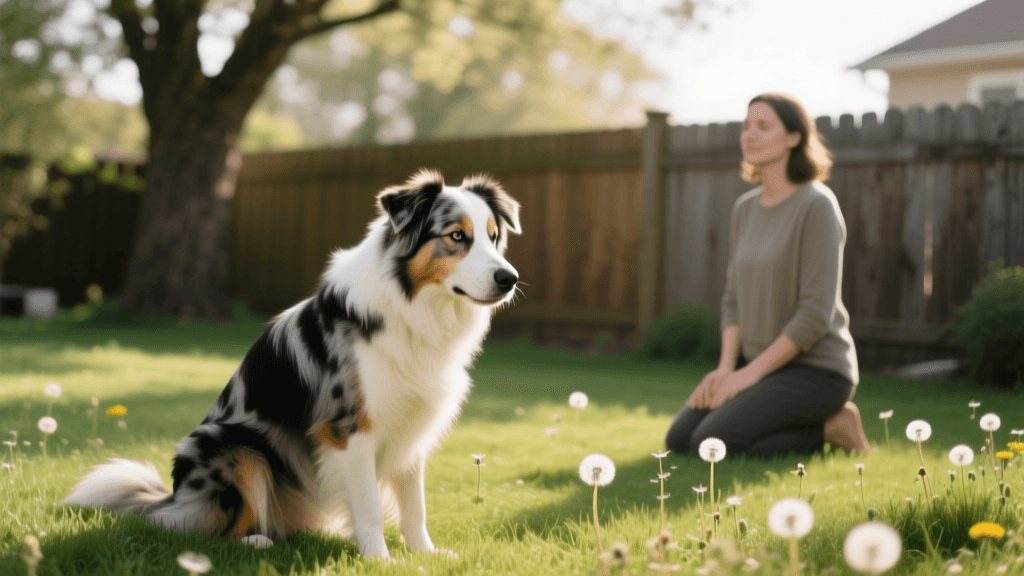
If your dog avoids eye contact or physically turns their shoulder to you when you issue a cue, they are attempting to de-escalate. In canine culture, direct, prolonged eye contact can be perceived as confrontational. Turning away is a polite request for space and a reduction in social pressure.
3. Sniffing the Ground
A sudden, intense interest in a completely uninteresting patch of grass is a hallmark calming signal. Sniffing lowers a dog's heart rate and provides a mental break. If your dog starts sniffing frantically while you are practicing recall, they are likely feeling overwhelmed by the pressure of the exercise.
4. The "Shake Off"
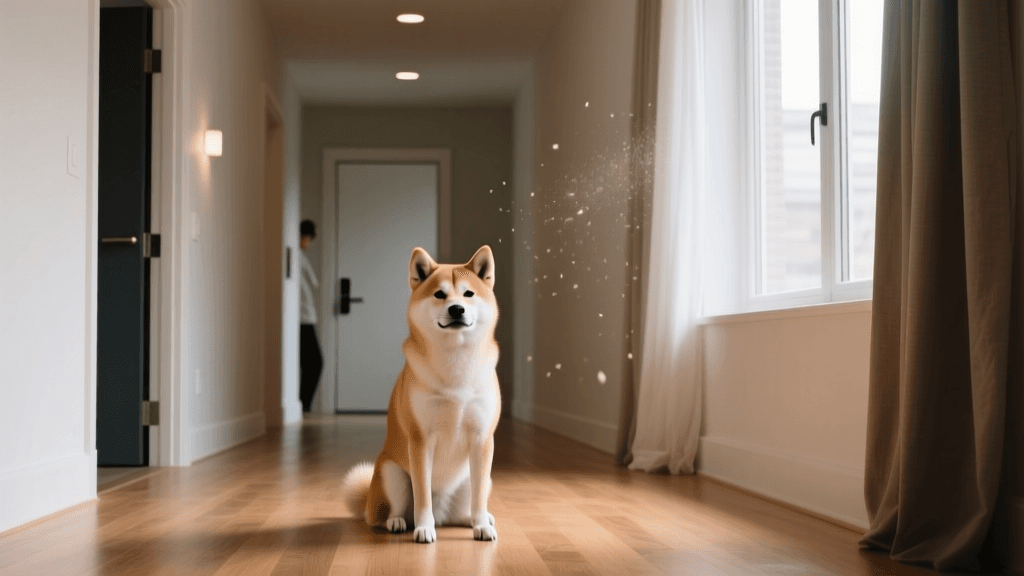
Similar to how a dog shakes off water after a bath, a "shake off" in a dry dog is a physiological reset button. It is used to discharge accumulated tension. You will often see this after a particularly challenging repetition or after a mildly stressful interaction with another dog in a group class setting.
5. Scratching
Sudden, out-of-context scratching—especially when not related to fleas or allergies—is a displacement behavior. It indicates internal conflict, such as wanting to obey a cue but feeling unsure of the exact criteria required to earn the reward.
6. The Play Bow
While often seen in play, a play bow during a serious training session can be a dog's way of trying to lighten the mood and diffuse tension. It is an invitation to keep things fun and low-pressure, signaling that the dog is feeling slightly conflicted but wants to maintain a positive relationship.
7. Blinking and Squinting
Soft blinking or squinting the eyes is a subtle but powerful signal. It is the canine equivalent of a peaceful smile, used to show that the dog has no aggressive intentions and is trying to calm themselves or the person holding the leash.
The Canine Ladder of Stress: From Calming Signals to Shutdown
Calming signals are the bottom rungs of what behaviorists call the "Ladder of Aggression" or the "Ladder of Stress." If a dog's subtle calming signals are ignored by the handler, the dog is forced to escalate their communication. Understanding this escalation is vital for preventing behavioral shutdown or reactivity. The ASPCA's Virtual Pet Behaviorist resources emphasize that recognizing early stress signs is the key to preventing fear-based behavioral issues.
| Stress Level | Canine Behavior | Handler Action Required |
|---|---|---|
| Level 1: Mild Stress | Lip licking, yawning, looking away, sniffing, blinking. | Lower criteria, offer a high-value treat, take a "sniffari" break. |
| Level 2: Moderate Stress | Shake off, scratching, panting, whining, hiding behind handler. | End the current exercise. Change environments. Engage in playful, low-demand games. |
| Level 3: High Stress | Stiffening, freezing, whale eye (showing whites of eyes), raised hackles. | Immediately stop training. Remove the dog from the trigger/stressor. Do not punish. |
| Level 4: Severe Stress | Growling, snapping, biting, or complete behavioral shutdown (learned helplessness). | Seek guidance from a certified veterinary behaviorist. Implement a strict desensitization protocol. |
Adjusting Your 2026 Training Protocol Based on Signals
Recognizing the signals is only half the battle; the other half is adjusting your training mechanics in real-time. Here is how to integrate canine communication into your daily routine to ensure optimal learning and emotional welfare.
Implement the "Sniffari" Reset
When your dog exhibits Level 1 calming signals (like ground sniffing or yawning), do not force them back into a heel position. Instead, give a release cue like "Go Sniff!" and allow them to decompress for 60 to 90 seconds. Sniffing engages the canine olfactory bulb, which has direct neurological pathways to the limbic system, actively lowering cortisol levels and heart rate. This biological reset prepares the brain to absorb new information once the training resumes.
Optimize Your Reward Delivery
In 2026, the mechanics of reward delivery are just as important as the reward itself. If your dog is showing stress signals, the timing and placement of your treat can either soothe or exacerbate the anxiety. For a dog showing avoidance (turning away), toss the treat on the ground away from you rather than forcing them to take it from your hand. This removes the social pressure of direct interaction while still reinforcing their effort and keeping the training game engaging.
Utilize Modern Biometric Feedback
For advanced handlers and competition dogs in 2026, wearable biometric technology has become an invaluable tool for correlating visible calming signals with internal physiological states. Devices like canine-adapted Heart Rate Variability (HRV) monitors, such as the Polar H10 paired with specialized canine chest harnesses, allow trainers to see exactly when a dog's sympathetic nervous system is activating, often seconds before a visible "shake off" or yawn occurs. By tracking this data, you can pinpoint exact environmental triggers—such as a specific type of flooring or the proximity of a novel object—that are causing cognitive overload.
Rethink Session Duration and Frequency
The traditional 30-minute obedience drill is obsolete. Modern behavioral science advocates for micro-training sessions. Limit focused obedience work to 3 to 5 minutes, followed by a 2-minute active play or sniffing break. This respects the dog's natural attention span and prevents the accumulation of stress that leads to the higher rungs of the stress ladder. Using high-value rewards, such as freeze-dried beef liver or commercial lick mats filled with bone broth, can also help soothe the nervous system during these short, intense learning bursts.
Authoritative Insights on Humane Training
The shift toward reading and respecting canine body language is heavily supported by leading veterinary and behavioral organizations. The American Kennel Club (AKC) emphasizes that understanding stress signals is crucial for preventing fear-based reactivity and building a trusting bond between dog and owner. When a dog's calming signals are acknowledged, they learn that their communication is effective, which in turn builds confidence and resilience in novel environments.
Furthermore, punishing a dog for exhibiting stress signals (such as growling or lip licking) is incredibly dangerous. Punishing the warning signs does not remove the underlying fear; it merely suppresses the dog's ability to communicate, leading to dogs that bite "without warning." By honoring these signals, we create a psychologically safe environment where true learning can occur, aligning perfectly with the force-free, science-based training standards expected by top-tier certification bodies in 2026.
Conclusion: Becoming a Fluent Handler
Mastering canine communication is a lifelong journey. As you step into your next training session, leave your ego at the door and open your eyes to the subtle, brilliant ways your dog is speaking to you. By respecting their calming signals, adjusting your criteria, and prioritizing their emotional well-being, you will not only build a more reliable obedience repertoire but also forge an unbreakable bond of mutual trust and understanding. In the modern era of dog training, listening to what your dog is silently saying is the most powerful tool in your arsenal.
anouk-beaumont
All our authors care for dogs every day — read more of their work on the authors page.