Moving From Apartment To Fenced Yard: Dog Transition Guide 2026
Moving from an apartment to a house? Discover our 2026 guide to help your dog adjust to new spaces, fenced yards, and outdoor potty routines.
Moving from a high-rise or walk-up apartment to a house with a private, fenced yard is a milestone many dog owners work toward. As we navigate the housing market in 2026, more pet parents are prioritizing outdoor space for their canine companions. However, while a sprawling backyard seems like an instant upgrade, this major life transition can actually be highly disorienting for a dog accustomed to the predictable, confined rhythms of apartment living. According to the American Kennel Club, moving is one of the most stressful events for a pet, requiring careful management of their environment and routine. This comprehensive guide will walk you through transitioning your dog from an apartment to a fenced yard, focusing on potty retraining, yard safety, and maintaining their socialization in 2026.
Understanding the Canine Culture Shock
Apartment dogs live in a world of strict boundaries and predictable stimuli. They know the exact sound of the elevator, the smell of the hallway, and the precise route to their designated potty spot on the concrete or balcony. When you introduce them to a house with a yard, you are suddenly removing those physical boundaries and replacing them with a vast, unstructured environment filled with new smells, wildlife, and acoustic echoes.
This sudden expansion of territory can lead to overstimulation. A dog that was perfectly calm in a 700-square-foot apartment might begin pacing, barking at the fence line, or refusing to enter the house once outside. The ASPCA recommends keeping your dog's initial access to the new home highly restricted. Instead of giving them the run of the house and the entire yard on day one, use baby gates and a long leash to introduce the new spaces incrementally, allowing their nervous system to adapt to the expanded territory without becoming overwhelmed.
The Potty Transition: From Concrete to Grass
The most immediate challenge for apartment dogs moving to a house is potty training. Many apartment dogs are trained to use indoor pee pads, balcony grass patches, or to hold it until they reach a specific concrete patch or fire hydrant down the street. Asking them to suddenly relieve themselves on a sprawling natural lawn can cause confusion, leading to indoor accidents.
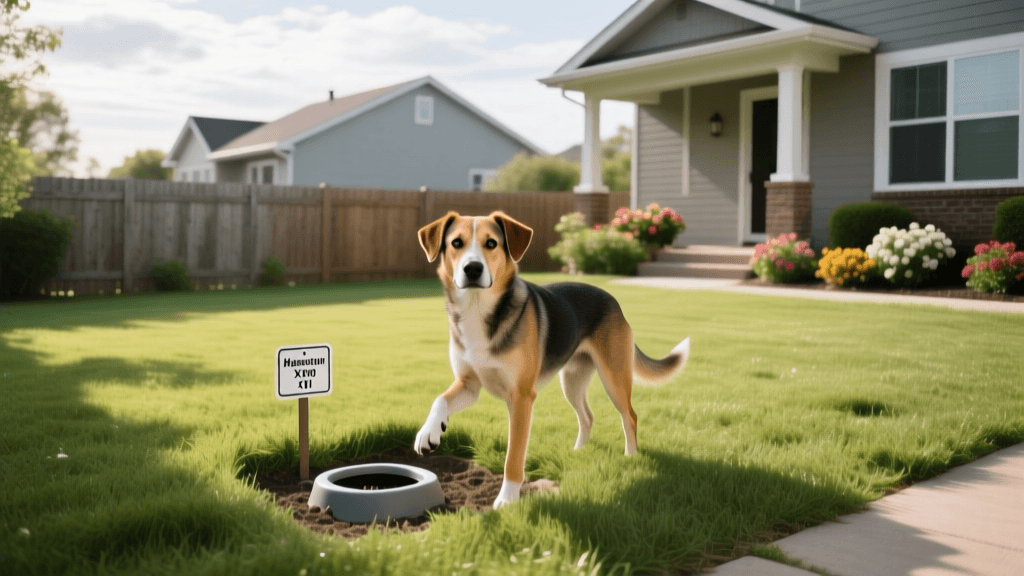
To bridge this gap, utilize the 'Scent Transfer' technique. Before you officially move, or on the very first day in the new house, take a soiled pee pad or a piece of artificial balcony grass and place it in the designated corner of your new yard. The familiar scent will signal to your dog that this new, vast outdoor space is the appropriate bathroom.
Additionally, you must accompany your dog outside on a leash for the first few weeks, even though the yard is fenced. Treat the yard exactly like a street walk. Walk them to the specific potty zone, give your designated cue word, and reward heavily with high-value treats when they eliminate on the grass. Once they reliably use the grass while on leash, you can gradually introduce off-leash yard time, but always supervise their bathroom breaks to ensure they are actually going and not just sniffing the perimeter.
Securing Your New Yard: 2026 Tech and Landscaping
A fenced yard is only as safe as its weakest point. In 2026, pet owners have access to incredible smart home technology and advanced landscaping options to ensure their yard is a secure sanctuary. Before letting your dog roam freely, conduct a thorough perimeter check. Look for gaps under the fence, loose boards, and ensure that your gate latches are secure and out of reach of jumping paws.
Landscaping is equally critical. Many common ornamental plants are highly toxic to dogs. Always cross-reference your garden beds with the ASPCA's Toxic and Non-Toxic Plants list to ensure you do not have sago palms, azaleas, or oleander within your dog's reach. Replace toxic mulches like cocoa bean mulch with pet-safe alternatives such as cedar or pine.
Top Smart Yard and Access Tech for 2026
To manage your dog's access to the yard and monitor their safety, consider upgrading your home with the latest pet-specific technology. Below is a comparison of the top-rated smart devices for yard transitions this year.
| Product | Category | Best For | 2026 Price Estimate |
|---|---|---|---|
| SureFlap Microchip Pet Door Connect | Smart Dog Door | Preventing wildlife entry; tracking yard time via app | $180 - $210 |
| Fi Series 4 GPS Smart Collar | GPS Tracker | Escape prevention; tracking yard perimeter breaches | $149 + Sub |
| Furbo 360 Outdoor Camera | Yard Monitor | Weatherproof monitoring; two-way audio to stop barking | $220 - $250 |
| High Tech Pet Power Pet PX-2 | Automatic Sliding Door | Larger dogs; sealing the house against extreme weather | $450 - $500 |
Maintaining Leash Manners and Socialization
A common mistake new homeowners make is assuming that a large backyard replaces the need for daily walks. While a yard provides excellent space for decompression, sniffing, and playing fetch, it does not provide the structured mental stimulation and socialization that a neighborhood walk offers.
Apartment dogs are often highly socialized to the sights and sounds of the city, including traffic, strangers, and other dogs on leashes. If you suddenly stop walking your dog because they have a yard to run in, they can quickly become reactive or fearful when they finally do leave the property. Commit to maintaining at least one structured, on-leash neighborhood walk every single day. This not only reinforces your leash training but also ensures your dog remains a well-adjusted, confident member of the community. Use the yard for physical exercise and decompression, and use the neighborhood walk for mental enrichment and socialization.
A 30-Day Transition Timeline
To ensure a smooth transition, follow this structured 30-day timeline to help your dog acclimate to their new home and yard.
Week 1: The Decompression Phase
Keep your dog on a long leash in the yard. Do not allow off-leash roaming. Set up a 'safe room' inside the house with their familiar apartment bed, toys, and an item of your unwashed clothing. Limit their indoor access to this room and the kitchen. Practice the Scent Transfer potty technique exclusively.
Week 2: Expanding Boundaries
Begin allowing off-leash time in the yard, but only under strict, active supervision. Introduce them to one new room in the house at a time. Resume your daily on-leash neighborhood walks, keeping the routes short and low-stress to build positive associations with the new neighborhood.
Week 3: Tech Integration and Testing
Install your smart pet door and begin training your dog to use it with high-value treats. Test your GPS collar's safe zone alerts by walking the perimeter of your yard with your dog. Ensure the fencing holds up against their scratching or digging habits.
Week 4: Full Integration
Your dog should now be comfortably using the yard for potty breaks and enjoying supervised off-leash time. Gradually remove the baby gates inside the house, granting them full access to the living spaces. Continue your daily walks and monitor their behavior for any signs of lingering anxiety or resource guarding in the new, larger territory.
Conclusion
Transitioning from an apartment to a house with a yard is a wonderful life upgrade for both you and your dog. By respecting the psychological shift this move represents, utilizing the Scent Transfer potty method, and leveraging 2026's smart pet technology, you can ensure your dog feels just as safe and secure in their new sprawling territory as they did in their cozy apartment.
aaron-whyte
All our authors care for dogs every day — read more of their work on the authors page.