Traveling With A Sensitive Dog Stomach: Diet Guide
Learn how to manage your dog's sensitive stomach while traveling. Discover practical nutrition tips, packing lists, and feeding routines for the road.
Introduction to Travel and Canine Digestion
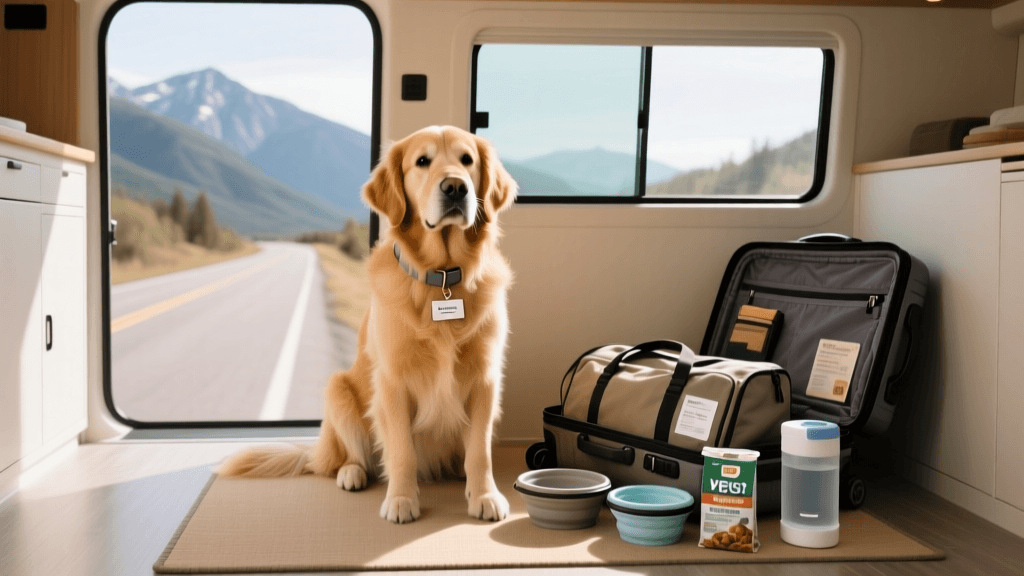
Traveling with a dog is one of life’s greatest pleasures, but if your canine companion suffers from a sensitive stomach, the prospect of hitting the road or taking to the skies can quickly turn into a logistical nightmare. Dogs with chronic gastrointestinal (GI) sensitivities are highly susceptible to diet disruption, stress-induced colitis, and motion sickness. A sudden change in environment, water source, or daily routine can trigger vomiting, diarrhea, and severe discomfort. According to the American Kennel Club, an upset stomach in dogs is often linked to dietary indiscretion or stress, both of which are amplified during travel. This comprehensive guide dives deep into the health and nutrition strategies required to keep your sensitive-stomach dog comfortable, nourished, and happy while traveling.
The Science of Travel-Induced Canine GI Distress
To effectively manage your dog's nutrition on the road, it is crucial to understand why travel upsets their digestive system. The canine gut-brain axis is highly reactive to environmental changes. When a dog experiences the stress of a new environment, the confinement of a crate, or the vestibular disruption of motion sickness, their body releases cortisol. This stress hormone directly impacts gut motility and alters the balance of the intestinal microbiome, often leading to stress colitis.
Furthermore, the physical act of traveling can cause vestibular confusion. Just like humans, dogs can experience motion sickness, which manifests as excessive drooling, lip smacking, and ultimately, vomiting. When a dog's stomach is full of rich, heavy food during transit, the likelihood of severe nausea increases exponentially. Managing this requires a strategic approach to both the timing of meals and the composition of the diet leading up to the trip.
The 14-Day Pre-Travel Gut Fortification Plan
Do not wait until the morning of your trip to think about your dog's digestion. A successful travel diet begins two weeks before departure. The goal is to stabilize the gut microbiome and eliminate any dietary variables that could cause inflammation.
Step 1: Introduce a Travel-Specific Probiotic
Start your dog on a high-quality, multi-strain probiotic 14 days prior to travel. Look for products containing Enterococcus faecium or Bifidobacterium animalis. A highly recommended veterinary option is Purina Pro Plan FortiFlora, which provides guaranteed levels of live microorganisms to promote intestinal health and balance. For dogs over 20 lbs, one packet sprinkled over their morning meal is the standard dosage. Alternatively, Nutramax Proviable-DC capsules offer a robust 5 billion CFU multi-strain complex that is excellent for dogs prone to stress-induced diarrhea.
Step 2: Lock in the Baseline Diet
Two weeks out, cease all novel treats, table scraps, and flavored dental chews. Feed only your dog’s core, easily digestible kibble or wet food. If your dog is on a prescription GI diet, such as Hill's Prescription Diet i/d or Royal Canin Veterinary Diet Gastrointestinal, ensure you have enough supply to last the entire trip plus an extra 20 percent buffer for unexpected delays.
Step 3: Calming Supplements for Cortisol Control
If your dog is exceptionally anxious, consult your veterinarian about incorporating a calming supplement containing L-theanine or chamomile, such as Zesty Paws Calming Bites (approx. $28 for 120 chews), which can lower cortisol levels without causing drowsiness. Lowering stress hormones directly protects the gut lining from stress-induced permeability.
Hydration: The Hidden Culprit of Vacation Diarrhea
Many pet parents meticulously pack their dog's regular food, only to unknowingly sabotage their gut health with tap water at their destination. Municipal water profiles vary drastically by region. Changes in mineral content, hardness, and chlorine levels can easily trigger osmotic diarrhea in a sensitive dog.
To prevent this, you must control your dog's water intake. If you are driving, bring 5-gallon jugs of your home tap water or the specific spring water your dog is accustomed to. If flying, transition your dog to a neutral, filtered, or distilled water source one week before the trip, and continue to buy that exact brand of bottled water at your destination.
| Water Source | Risk Level for Sensitive Dogs | Actionable Solution |
|---|---|---|
| Home Tap Water | Low (Baseline) | Bring 5-gallon jugs on road trips. |
| Hotel Tap Water | High (Mineral/Chlorine variance) | Use a portable carbon filter or buy distilled water. |
| Natural Lakes/Streams | Severe (Giardia, Bacteria) | Strictly prohibit drinking; bring portable travel bowls. |
| Hard Water Regions | Moderate (High Calcium/Magnesium) | Supplement with a canine electrolyte powder to balance intake. |
Transit Feeding Protocols: Car vs. Air Travel
How and when you feed your dog during transit depends entirely on the mode of transportation. The U.S. Food and Drug Administration (FDA) advises careful planning for pet travel to ensure safety and comfort, particularly regarding feeding times to prevent bloat and motion sickness.
Road Trip Feeding Schedule
For car travel, withhold your dog's main meal for 3 to 4 hours before departure. If you are leaving at 8:00 AM, feed a light, easily digestible breakfast at 5:00 AM. During the drive, offer small, frequent sips of water and a single low-residue treat, such as a plain rice cake or a specific GI-friendly training treat, every two hours to maintain blood sugar levels without overloading the stomach. If your dog is prone to severe car sickness, consult your vet about Cerenia (maropitant citrate), an FDA-approved anti-emetic that blocks substance P in the brain. A single dose administered two hours before travel costs roughly $5 to $10 per pill and is highly effective for dogs that do not respond to fasting alone.
Air Travel Fasting Rules
For flights, especially those lasting over four hours or involving cargo transport, a longer fasting window is required. Withhold solid food for 8 to 12 hours before the flight to ensure the stomach is completely empty, drastically reducing the risk of vomiting and subsequent aspiration in the crate. Provide ice cubes to lick up to two hours before check-in to maintain hydration without filling the bladder or stomach.
The Emergency Bland Diet: Sourcing Locally
Despite your best preparations, travel stress or a sudden dietary indiscretion may result in an upset stomach. According to the ASPCA, having a plan for pet care and health emergencies while away is essential. When diarrhea strikes in an unfamiliar city, you need to know exactly what to buy at a local grocery store to create an emergency bland diet.
A traditional bland diet consists of a 2:1 ratio of complex carbohydrates to lean protein. Avoid high-fat proteins like ground beef or dark meat chicken, as fat delays gastric emptying and worsens diarrhea. Cost considerations: Sourcing these ingredients at a standard grocery store will cost approximately $15 to $20, providing enough bland diet for a 50 lb dog for three days.
The Grocery Store Bland Diet Recipe
- Protein: 93 percent lean ground turkey or boneless, skinless chicken breast (boiled and shredded).
- Carbohydrate: Long-grain white rice or plain boiled russet potatoes (no skin, no butter).
- Fiber Supplement: 100 percent pure canned pumpkin puree (strictly NOT pumpkin pie filling, which contains toxic spices like nutmeg and xylitol).
Dosage: Feed 1/2 cup of the rice/protein mixture per 20 lbs of body weight, divided into three small meals throughout the day. Add 1 tablespoon of pure pumpkin puree per meal to provide soluble fiber, which absorbs excess water in the colon and firms up the stool.
Final Thoughts on Travel Nutrition
Managing a dog with a sensitive stomach while traveling requires meticulous planning, strict adherence to routine, and a deep understanding of canine nutrition. By fortifying the gut microbiome weeks in advance, controlling water sources, implementing strategic fasting protocols, and knowing how to source emergency bland diets locally, you can transform a stressful ordeal into a seamless adventure. Remember, consistency is the ultimate comfort for your dog. Pack their familiar bowls, measure their portions with the same precision you use at home, and prioritize their digestive health above all else. With the right nutritional strategy, the world is safely open for you and your sensitive-stomach companion to explore together.
jonas-cole
All our authors care for dogs every day — read more of their work on the authors page.