Managing Canine OA in 2026: Librela, Home Setup, and Daily Routines
Discover how to manage canine osteoarthritis in 2026. Learn about Librela treatments, home modifications, and daily routines to keep your dog comfortable.
The 2026 Paradigm Shift in Canine OA Treatment
Osteoarthritis (OA) is a progressive, degenerative joint disease that affects a significant portion of the senior dog population. As we navigate 2026, the landscape of canine pain management and mobility support has evolved dramatically. Gone are the days when a diagnosis of canine OA meant simply accepting a sedentary lifestyle for your best friend. Today, a multi-modal approach combining cutting-edge biologic therapies, strategic home modifications, and tailored daily routines can keep your dog active, happy, and pain-free. In this comprehensive guide, we will explore the most effective strategies for managing canine OA in 2026, focusing on the integration of modern treatments like Librela with practical, everyday lifestyle adjustments.
The 2026 Medical Standard: Anti-NGF Therapy and Beyond
For years, non-steroidal anti-inflammatory drugs (NSAIDs) were the primary tool in the veterinary arsenal against OA pain. While still useful, the 2026 standard of care heavily favors targeted biologic therapies, most notably anti-Nerve Growth Factor (anti-NGF) monoclonal antibodies like Librela (bedinvetmab). Unlike traditional NSAIDs, which can sometimes cause gastrointestinal or renal side effects with long-term use, Librela specifically targets the NGF protein responsible for transmitting pain signals in arthritic joints.
Administered as a simple subcutaneous injection by your veterinarian once a month, this therapy has revolutionized how we manage chronic pain. According to resources from the FDA Center for Veterinary Medicine, targeted biologic treatments have shown remarkable efficacy in improving mobility without the systemic organ strain associated with daily oral medications. For the dog owner, this means replacing the daily struggle of hiding pills in peanut butter with a predictable, stress-free monthly vet visit. The cost in 2026 typically ranges from $60 to $130 per month, depending on your dog's weight tier, making it a highly accessible option for long-term management.
Auditing Your Home Environment for Arthritic Dogs
Medical treatment is only half the battle; the environment your dog navigates daily plays a massive role in their joint health. Slippery hardwood floors and steep staircases are the silent enemies of the OA dog. To create a safe haven, start with your flooring. Invest in low-pile, high-density area rugs with a TPE (Thermoplastic Elastomer) non-slip backing. Avoid PVC or latex backings, which can degrade and become slippery over time. Ensure the rugs cover primary transit routes, especially the paths from your dog's bed to their food bowls and the back door.
Senior dogs with OA often experience cognitive decline or diminished vision, making nighttime trips to the yard hazardous. Install motion-sensor LED pathway lights along your primary indoor and outdoor routes. Illuminating the path reduces anxiety and prevents missteps that could lead to acute joint sprains or falls.
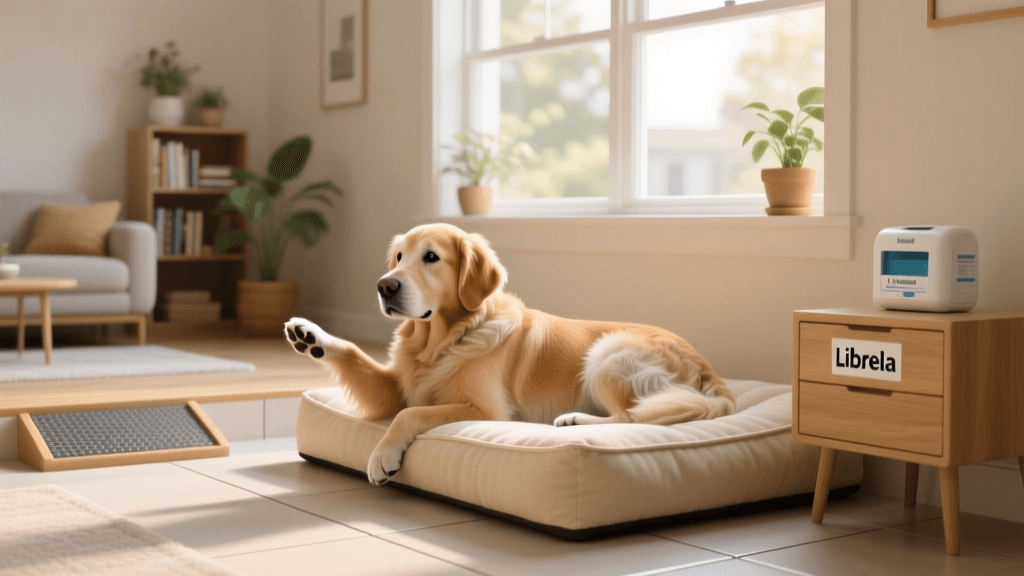
Next, evaluate how your dog accesses furniture and vehicles. Jumping down from a sofa creates immense concussive force on the carpal and shoulder joints. In 2026, the market offers exceptional orthopedic ramps. Look for a ramp with an incline no steeper than 18 to 22 degrees, and a walking surface width of at least 16 inches for medium-to-large breeds. Brands like PetSafe and Gen7Pets offer high-traction, ribbed surfaces that prevent paw slippage. For bedding, discard flat, worn-out mattresses. An OA dog requires a minimum of 4 to 7 inches of therapeutic, high-density memory foam to prevent their joints from pressing into the hard floor. Beds with supportive bolsters also allow your dog to rest their neck and spine in a neutral, pain-free alignment.
Restructuring Your Daily Routine
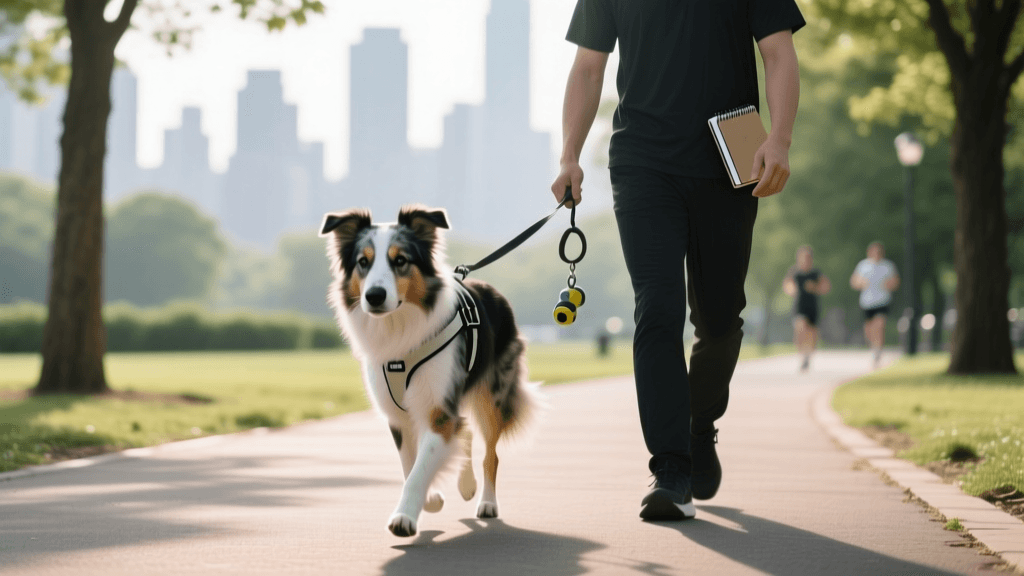
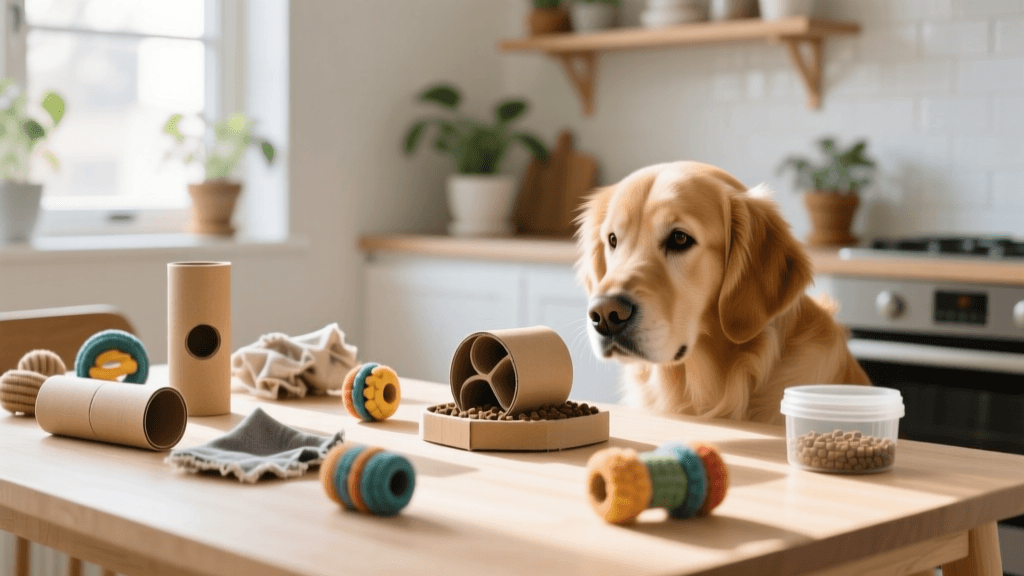
Living with an OA dog requires a shift in how you approach daily exercise and enrichment. The goal is to maintain muscle mass—which supports the joints—without causing micro-trauma to the cartilage. Replace high-impact games of fetch with 'Sniffaris.' A 20-minute leisurely walk where your dog is allowed to stop, sniff, and process scents provides immense mental fatigue and low-impact physical movement. According to the American Kennel Club, mental enrichment is just as tiring for a dog as physical exercise, making it a perfect alternative on days when their joints are particularly stiff.
If your budget and location permit, weekly canine hydrotherapy sessions are a phenomenal addition to your 2026 routine. The buoyancy of the water supports your dog's weight, allowing them to build crucial stabilizing muscles around the hips and knees without any concussive impact. Many modern veterinary rehabilitation centers now feature underwater treadmills with adjustable resistance, tailored specifically for senior OA patients.
Incorporate gentle, passive range-of-motion (PROM) exercises into your evening routine. Spend five minutes gently flexing and extending your dog's affected joints while they lie on their orthopedic bed. Follow this with a warm compress applied to the hips or shoulders for 10 to 15 minutes to increase local blood flow and relax tense compensatory muscles. For feeding, elevate their bowls slightly to reduce the strain on their neck and front shoulders, but avoid elevating them so high that it forces an unnatural posture.
2026 Canine OA Management Comparison Chart
| Treatment Modality | Administration Method | Primary Benefit in 2026 | Estimated Monthly Cost |
|---|---|---|---|
| Anti-NGF Biologics (Librela) | Monthly subcutaneous vet injection | Targets pain signaling without organ strain | $60 - $130 |
| Traditional NSAIDs (Carprofen) | Daily oral chew or tablet | Reduces acute joint inflammation | $40 - $90 |
| Advanced Joint Supplements | Daily oral soft chew or liquid | Supports cartilage matrix and synovial fluid | $30 - $60 |
| Canine Hydrotherapy | Weekly clinic underwater treadmill | Builds muscle mass with zero joint impact | $200 - $350 |
Nutrition, Weight Management, and Joint Supplements
No OA treatment plan is complete without strict weight management. In 2026, veterinary nutritionists emphasize maintaining a Body Condition Score (BCS) of 4 out of 9. Even a 5% reduction in body weight can drastically decrease the mechanical load on arthritic joints. Pair a calorie-controlled diet with high-quality joint supplements. Look for formulations containing Green Lipped Mussel, glucosamine hydrochloride, and chondroitin sulfate. Furthermore, therapeutic levels of Omega-3 fatty acids (specifically EPA and DHA) are crucial. Aim for a combined EPA/DHA dose of 300 mg per 10 pounds of body weight daily to actively reduce joint inflammation.
Conclusion
Managing canine osteoarthritis in 2026 is about synergy. By combining the targeted pain relief of modern biologic injections with a meticulously modified home environment and a thoughtful, low-impact daily routine, you can dramatically improve your dog's quality of life. Stay observant, track their mobility changes, and maintain open communication with your veterinary team to ensure your loyal companion remains comfortable and joyful in their golden years.
tom-renshaw
All our authors care for dogs every day — read more of their work on the authors page.