2026 Training Guide For Quiet Apartment Dog Breeds
Discover expert 2026 training techniques for quiet apartment dog breeds like Basenjis and Greyhounds to prevent whining, barking, and noise complaints.
The Reality of Training Quiet Dog Breeds in Apartments
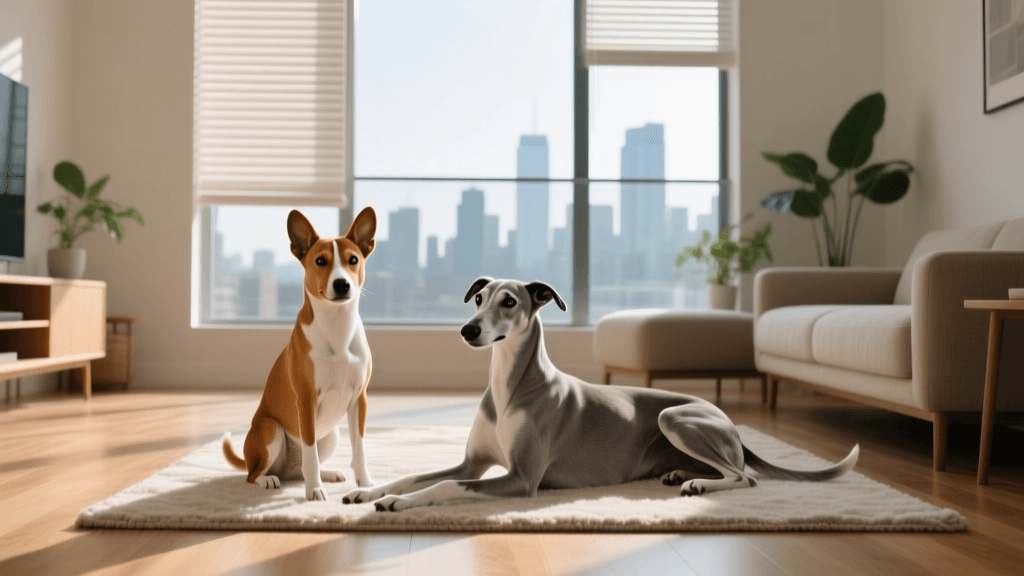
As urban living spaces continue to evolve in 2026, apartment dwellers are increasingly turning to low-vocalization dog breeds to maintain harmony with neighbors and comply with strict building noise ordinances. Breeds like the Basenji, Greyhound, Shiba Inu, and Cavalier King Charles Spaniel are famous for their quiet dispositions. However, a common misconception among new dog owners is that "quiet" means "no training required." In reality, even the most silent breeds can develop nuisance behaviors like whining, howling, or alert barking if their environmental and psychological needs are not properly managed.
Training a quiet breed in an apartment setting requires a specialized approach. Because these dogs are often more sensitive or independent, traditional high-volume obedience drills can be counterproductive. This comprehensive 2026 guide will walk you through the exact behavioral conditioning protocols, environmental management strategies, and modern training tools needed to ensure your apartment-living canine companion remains a peaceful, well-adjusted resident.
Understanding Your Breed: Vocalization Quirks and Training Focus
Before implementing any training protocol, it is crucial to understand that every breed has a unique vocalization profile. A Basenji does not bark, but it yodels. A Greyhound rarely barks, but may whine when anxious. Recognizing these nuances allows you to target your training effectively. Below is a comparison of popular quiet apartment breeds and their specific training requirements.
| Breed | Vocalization Style | Apartment Training Focus | Daily Enrichment Need |
|---|---|---|---|
| Basenji | Yodels, rare barks | Redirecting yodeling to quiet chew toys; impulse control | 60+ mins sniffing/hunting games |
| Greyhound | Silent, occasional whines | Crate training, managing separation whining and anxiety | 2 short sprints, 30 mins mental puzzles |
| Shiba Inu | "Shiba Scream", alert barks | Doorbell desensitization, handling frustration without screaming | 45 mins structured obedience & sniffaris |
| Cavalier King Charles | Soft barks, attention whines | Ignoring attention-seeking vocalizations, settling on a mat | 30 mins gentle interactive play |
The 2026 "Quiet Command" Protocol for Low-Vocalization Breeds
Even quiet breeds will occasionally vocalize to alert you to a delivery driver in the hallway or a neighbor's dog. The goal is not to suppress natural communication, but to teach your dog an "off switch." According to the American Kennel Club (AKC), teaching a "Quiet" command requires timing, consistency, and high-value rewards.
Step 1: Acknowledge and Reward the Alert
When your Shiba Inu or Cavalier gives one or two alert barks at a hallway noise, calmly walk over to the door or window. Acknowledge the trigger by saying, "Thank you, I see it." This satisfies the dog's instinct to alert the pack without escalating their arousal level.
Step 2: Introduce the Cue and the Lure
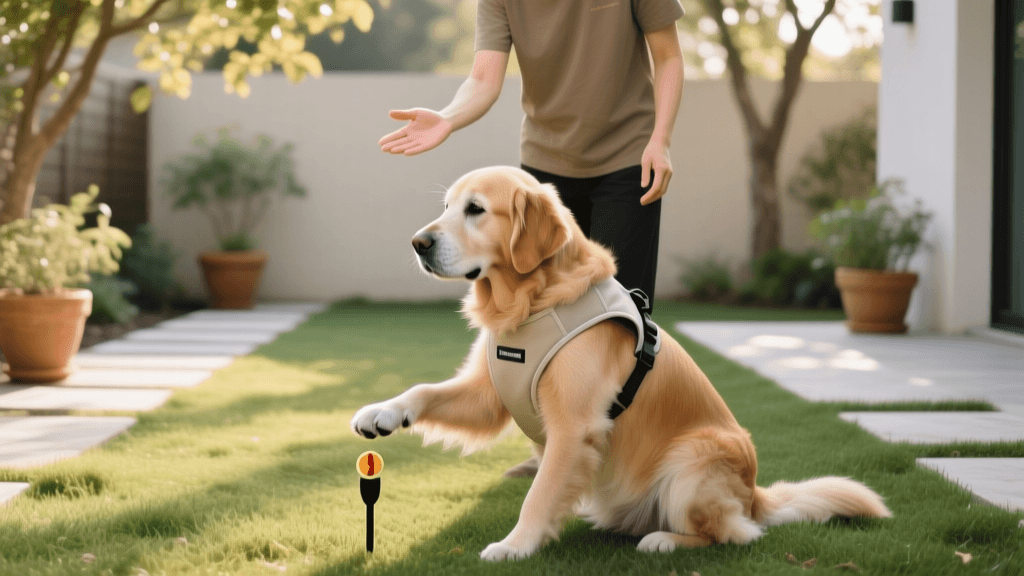
Once the dog has acknowledged the trigger, hold a high-value treat (like freeze-dried salmon or low-sodium chicken breast) directly in front of their nose. As they stop barking to sniff the treat, say your chosen cue word clearly: "Quiet." Do not yell the word; use a calm, firm, and low tone.
Step 3: Mark and Reward the Silence
The moment your dog stops vocalizing and focuses on the treat, use a marker word like "Yes" or click a training clicker, then give the treat. Repeat this process consistently. Over a few weeks, gradually increase the duration of silence required before the reward is given, moving from one second of silence to five, then ten seconds.
Desensitization to Apartment-Specific Triggers
Apartments are dense sensory environments. Elevator dings, heavy footsteps upstairs, and doors slamming in the hallway can trigger anxiety or alert behaviors in sensitive breeds. The ASPCA emphasizes that systematic desensitization is the most effective, humane way to reduce noise-reactive behaviors in dogs.
To desensitize your dog to hallway noises, create a controlled training environment. Record the sounds of your specific apartment building (e.g., the elevator bell or the garbage chute). Play the recording on your smartphone at a volume so low that your dog notices it but does not react or whine. Immediately feed a steady stream of treats. Over several days, incrementally raise the volume. If your dog shows signs of stress or begins to vocalize, you have increased the volume too quickly; lower it and proceed more slowly. This counter-conditioning technique rewires the dog's brain to associate scary apartment noises with positive outcomes.
Managing Separation Whining and Anxiety
Greyhounds and Cavaliers are notoriously prone to separation anxiety, which often manifests as prolonged whining or crying when left alone. In an apartment, this can quickly lead to noise complaints. In 2026, managing separation distress involves a combination of gradual departure training and advanced environmental enrichment.
- The 30-Day Departure Protocol: Start by putting on your shoes and picking up your keys, then sitting back down on the couch. Do this 10 times a day until the dog ignores these triggers. Next, step out the door and immediately return. Gradually increase the time spent outside the apartment from 5 seconds to 5 minutes, then 30 minutes, ensuring you return before the dog begins to whine.
- Long-Lasting Enrichment: Leave your dog with a frozen snuffle mat or a hollow chew toy stuffed with plain Greek yogurt and mashed pumpkin. Licking and chewing release endorphins in a dog's brain, naturally soothing their nervous system and keeping them quietly occupied during your absence.
Top 2026 Training Tools for Apartment Dogs
Modern technology and behavioral science have produced incredible tools to assist in training quiet breeds in close-quarters living. Here are the top recommended products for 2026:
1. Furbo 360 Dog Camera with AI Whine Detection (Approx. $189)
Unlike older models that only detected barking, the 2026 Furbo edition uses advanced AI to detect whining, pacing, and yodeling. It allows you to toss treats remotely and use two-way audio to calmly redirect your Basenji or Greyhound before a vocalization episode escalates.2. Adaptil Calm Home Pheromone Diffuser (Approx. $45 for starter kit)
This diffuser releases synthetic dog-appeasing pheromones (DAP) that mimic the nursing mother's calming signals. It is highly effective in reducing ambient anxiety in apartment environments, making desensitization training significantly more successful.3. Outward Hound Nina Ottosson Dog Brick Puzzle (Approx. $18)
Quiet breeds still need mental exhaustion. A tired dog is a quiet dog. This intermediate-level puzzle toy requires the dog to slide, lift, and flip compartments to find hidden treats, providing 20 minutes of silent, focused mental work that burns off excess energy.
Building a "Settle on the Mat" Behavior
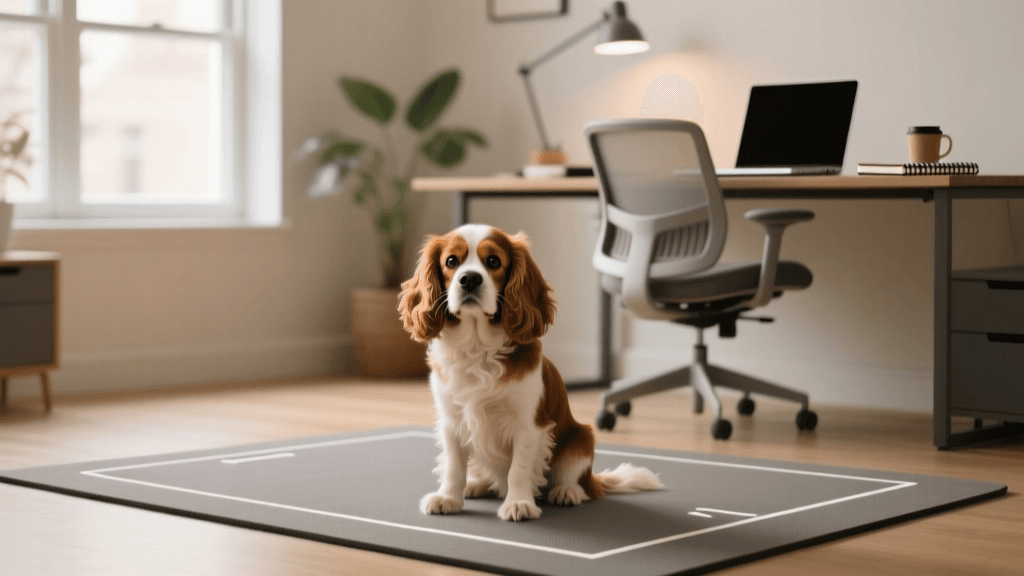
One of the most valuable skills for any apartment dog is the "Place" or "Settle" command. This teaches the dog to go to a specific raised cot or mat and remain there calmly, regardless of what is happening in the room. This is particularly useful when you have guests over or when maintenance workers need to enter your apartment.
Begin by luring your dog onto a raised training cot with a treat. Once all four paws are on the mat, reward them. Introduce a release cue like "Free" to let them know when the exercise is over. Gradually increase the distance between you and the mat, and the duration they must stay. If your Cavalier whines for attention while on the mat, turn your back and ignore the behavior entirely. Only reward silent, relaxed behavior. Over time, the mat becomes a safe haven where the dog instinctively chooses to rest quietly.
Conclusion: Consistency is the Key to Apartment Harmony
Owning a quiet dog breed in an apartment is a wonderful experience, but it requires proactive, positive reinforcement training to maintain that peace. By understanding your breed's specific vocalization tendencies, utilizing systematic desensitization for apartment triggers, and leveraging modern 2026 enrichment tools, you can ensure your dog remains a happy, silent, and polite neighbor. Remember that behavioral conditioning is an ongoing process; consistency, patience, and high-value rewards will always be your best allies in creating a tranquil home environment.
robin-maitland
All our authors care for dogs every day — read more of their work on the authors page.