2026 Guide: Decompression Zones for Reactive Rescues
Learn to build a sensory-reduced decompression zone for anxious rescue dogs in 2026. Discover essential gear, setup steps, and cortisol management tips.
The Science of Canine Decompression
Bringing home a new rescue dog is a deeply rewarding experience, but for dogs with a history of trauma, neglect, or chronic stress, the transition can be overwhelming. In 2026, veterinary behaviorists and certified fear-free trainers universally recommend establishing a "Decompression Zone" before your new dog even crosses the threshold. When a dog is exposed to high-stress environments—such as a shelter kennel or a chaotic transport network—their body floods with cortisol and adrenaline. According to the ASPCA, it can take up to 72 hours for a dog's cortisol levels to begin normalizing after a major environmental shift, and weeks for their baseline stress to fully reset.
For reactive and anxious dogs, skipping the decompression phase often leads to trigger-stacking. This is a phenomenon where minor stressors accumulate until the dog reacts explosively to seemingly innocuous events, like a dropped pan or a passing bicycle. By creating a dedicated, low-stimulus sanctuary in your home, you provide your dog's nervous system with the biological safety required to process their new environment without resorting to reactive behaviors.
Essential 2026 Gear for Reactive Dogs
Outfitting a decompression zone requires more than just a bed and a water bowl. You must actively manage the dog's sensory input, specifically targeting sight, sound, and smell. Here is the essential gear recommended by behaviorists for the 2026 adoption season.
Visual Barriers and Safe Confinement
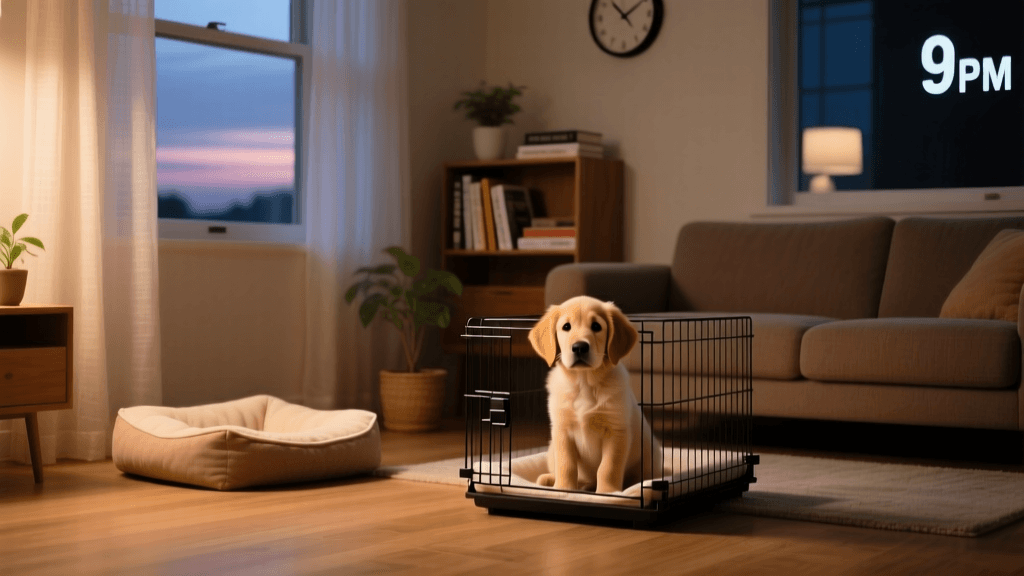
Anxious dogs often feel exposed in open-concept homes. The American Kennel Club emphasizes that proper confinement training provides a "den" instinctual safety mechanism. For reactive dogs who may panic and destroy standard wire crates, the K9 Ballistics Tough Aluminum Crate (2026 Model) is the industry gold standard. Priced at approximately $899, this crate features reinforced aluminum framing, chew-proof ventilation slots, and a lockable door that prevents escape-artists from injuring their teeth or paws. Crucially, you must drape a breathable, dark canvas cover over three sides of the crate to eliminate visual triggers like moving shadows or passing cars.
Auditory Masking Technology
Reactive dogs are often hyper-vigilant to sudden noises. A dedicated white noise machine is non-negotiable. The LectroFan Micro2 (retailing around $35 in 2026) offers non-looping digital soundscapes that effectively mask the sound of footsteps, doors closing, and street traffic. Unlike music, which can have unpredictable emotional effects on canines, consistent broadband noise creates an auditory "blanket" that prevents the dog's startle reflex from activating.
Pheromone and Olfactory Support
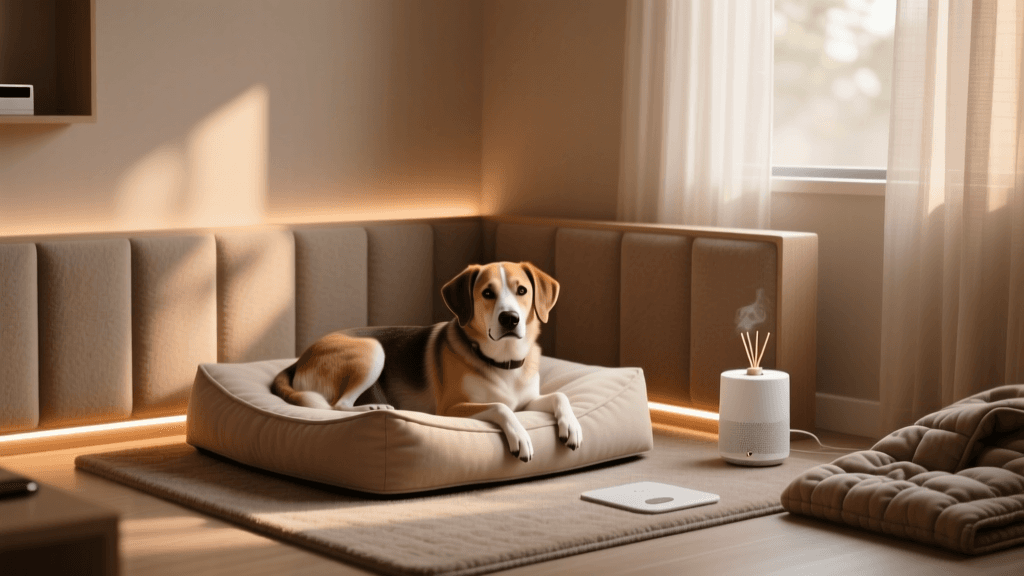
The Fear Free Pets initiative heavily endorses the use of synthetic canine appeasing pheromones (DAP) to lower environmental anxiety. The Adaptil Calm Home Diffuser (2026 Formula) covers up to 700 square feet and mimics the nursing pheromones produced by mother dogs. Plug this in at least 24 hours before the dog arrives to ensure the room is saturated with calming olfactory cues.
2026 Sound Masking Device Comparison
Choosing the right auditory masking device depends on the specific layout of your decompression zone and the severity of your dog's noise phobia. Below is a comparison of the top-rated devices for canine anxiety management in 2026.
| Device Model | Best Use Case | 2026 Avg. Price | Decibel Output | Power Source |
|---|---|---|---|---|
| LectroFan Micro2 | Apartments & small bedrooms | $35.00 | Up to 85 dB | USB-C / Battery |
| Hatch Restore 3 | Dogs needing dim light therapy | $129.00 | Up to 90 dB | Wall Plug |
| Yogasleep Dohm Classic | Large, open-concept living areas | $49.00 | Up to 88 dB (Fan-based) | Wall Plug |
Step-by-Step Room Preparation
Setting up the physical space requires strategic placement to minimize accidental triggers.
- Location Selection: Choose an interior room or a quiet corner of a bedroom that does not share a wall with a busy street or a noisy neighbor. Avoid high-traffic areas like the kitchen or living room.
- Lighting Control: Install blackout curtains or use removable static-cling window film. Reactive dogs are easily triggered by fast-moving silhouettes outside. Keep the room dimly lit using amber-hued smart bulbs, which do not disrupt the canine circadian rhythm.
- Scent Neutralization: Before bringing the dog home, clean the room using an enzymatic cleaner rather than harsh chemical bleaches or artificial air fresheners, which can irritate a dog's sensitive olfactory system and cause respiratory stress.
- Temperature Regulation: Anxious dogs often run hot due to elevated heart rates. Keep the room thermostat between 68°F and 72°F (20°C - 22°C) and provide a cooling mat, such as the Arf Pets Self-Cooling Pad, inside their crate.
The First 72 Hours: Strict Protocol
The initial three days are critical. During this window, your primary goal is to keep the dog's nervous system as close to baseline as possible. This means enforcing strict boundaries, even if it feels counterintuitive to "shower them with love."
No Visitors: Do not invite friends or family over to meet the new dog. Every new person introduces a massive spike in cortisol. The dog needs to learn that your home is a predictable, quiet environment.
Leashed Potty Breaks: Even if you have a fenced yard, do not let the dog off-leash during the first 72 hours. Use a 15-to-30-foot biothane long line attached to a well-fitted Y-harness. This prevents the dog from bolting if they are spooked by a distant noise and allows them to sniff and process the yard without feeling trapped by a short 6-foot leash.
Ignore the Dog (Mostly): Allow the dog to approach you on their terms. Avoid direct eye contact, which can be perceived as a threat by reactive dogs. Sit on the floor in the decompression zone, read a book aloud softly, and toss high-value treats (like freeze-dried liver) away from you to build positive associations without demanding interaction.
"The biggest mistake new adopters make with fearful or reactive dogs is forcing socialization in the first week. True confidence is built on a foundation of feeling safe, not on being pushed into overwhelming situations before the dog is ready." — Certified Veterinary Behaviorist, 2026 Canine Welfare Report.
Low-Stress Enrichment Activities
While physical exercise should be limited to short, structured sniffaris, mental enrichment is vital for burning off anxious energy without overstimulating the dog. Avoid high-arousal games like tug-of-war or fetch during the decompression phase. Instead, utilize licking and chewing, which release endorphins and naturally soothe the canine brain.
Prepare a Hyper Pet IQ Treat Mat by spreading it with plain, xylitol-free Greek yogurt, mashed pumpkin, and a few pieces of kibble, then freeze it solid. Licking a frozen mat for 20 minutes can lower a dog's heart rate significantly. Alternatively, use a snuffle mat to hide their daily ration of food, encouraging natural foraging behaviors in a safe, controlled environment.
Transitioning to Normal Household Life
After the initial 3-to-14-day decompression period (depending on the dog's individual threshold), you can begin slowly integrating them into the rest of the home. Start by opening the door to the decompression zone and allowing the dog to explore the adjacent hallway on their own. Keep the white noise machine running and the pheromone diffuser plugged in for at least the first 30 days.
If your dog shows signs of regression—such as lip licking, yawning, whale eye, or sudden reactivity to household noises—do not punish the behavior. Simply guide them back to the decompression zone, reduce the environmental stimuli, and give their nervous system more time to heal. Patience, structured environments, and proactive sensory management are the keys to successfully rehabilitating a reactive rescue dog in 2026 and beyond.
priya-sutaria
All our authors care for dogs every day — read more of their work on the authors page.