Bernese Mountain Dog Breed Guide: Costs, Care, and Traits
Discover if the Bernese Mountain Dog is right for your family. Explore breed traits, healthcare costs, grooming needs, and training tips in our deep dive.
Introduction to the Bernese Mountain Dog
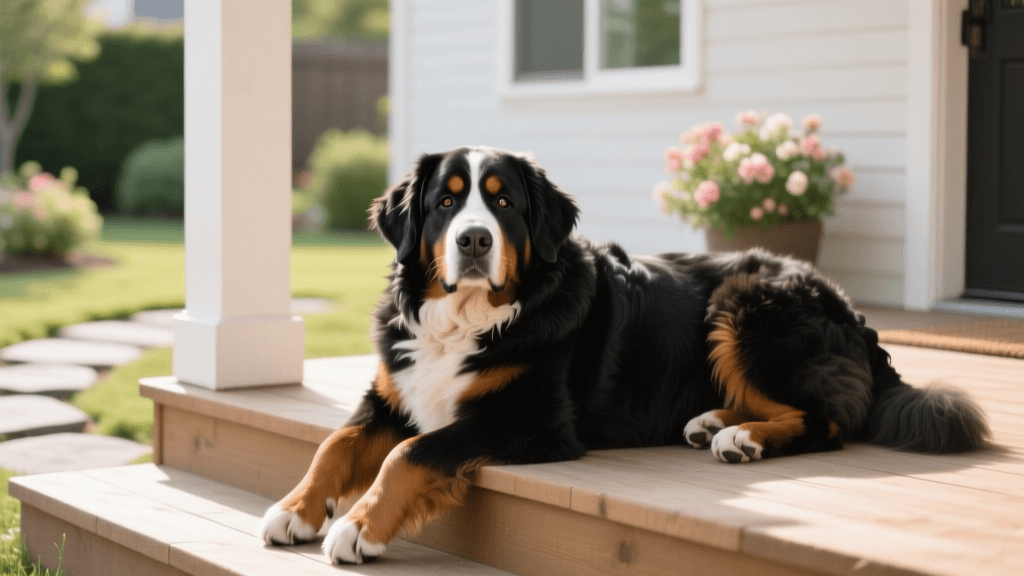
The Bernese Mountain Dog, affectionately known as the Berner, is a strikingly beautiful, tri-colored working dog that originated in the canton of Bern, Switzerland. Bred to drive cattle, pull carts, and guard farms, these gentle giants have transitioned from alpine farmhands to beloved family companions. But bringing a giant breed into your home requires careful consideration, extensive preparation, and a realistic understanding of their unique needs. In this comprehensive breed-specific deep dive, we explore everything you need to know before welcoming a Bernese Mountain Dog into your life, from spatial requirements and grooming routines to the harsh realities of their healthcare costs.
Quick Breed Profile
| Trait | Details |
|---|---|
| Weight | 70 to 115 pounds |
| Height | 23 to 27.5 inches at the shoulder |
| Lifespan | 7 to 8 years |
| Coat Type | Long, thick, double coat (tri-color) |
| Origin | Swiss Alps (Canton of Bern) |
| AKC Group | Working Group |
Understanding the Berner Temperament
Berners are famously good-natured, calm, and deeply devoted to their families. The American Kennel Club describes them as affectionate and eager to please, making them excellent candidates for families with children. However, their large size means they can easily knock over toddlers unintentionally, so supervised interactions are a must. Bernese Mountain Dogs are often referred to as velcro dogs because they prefer to be in the same room as their owners at all times. They do not do well with long periods of isolation and are prone to separation anxiety if left alone in a backyard or apartment for eight-hour workdays.
Aloof but Not Aggressive
While they are intensely loyal to their inner circle, Berners tend to be aloof with strangers. They are generally not aggressive, but their deep bark and imposing size make them natural deterrents. Early socialization is critical to ensure they grow into confident, well-adjusted adults who can handle visitors, delivery drivers, and trips to the vet without fear or reactivity.
Space, Exercise, and Climate Requirements
Despite their relatively low indoor energy levels, Bernese Mountain Dogs are not apartment dogs. They require a home with a securely fenced yard. A minimum 5-foot to 6-foot fence is recommended, not because they are prolific jumpers, but simply due to their massive size and strength. If a Berner decides to push through a weak fence, they can easily do so.
When it comes to exercise, adult Berners need about 30 to 60 minutes of moderate activity daily. This can be broken down into two leisurely walks and some light playtime. Because they are a giant breed, rigorous exercise like long-distance running or repetitive jumping (such as intense frisbee sessions) should be avoided to protect their developing joints and prevent orthopedic injuries.
Climate Sensitivity
The Bernese Mountain Dog is built for the freezing Swiss Alps, not the humid summers of the American South. Their thick double coat makes them highly susceptible to heatstroke. If you live in a warm climate, you must provide air conditioning, cooling mats (like the Green Pet Shop Cool Pet Pad), and restrict outdoor walks to the early morning or late evening during summer months.
The Heartbreaking Reality of Bernese Health
The most critical factor to consider before getting a Berner is their health and lifespan. Tragically, the median lifespan of a Bernese Mountain Dog is only 7 to 8 years. The Bernese Mountain Dog Club of America actively funds and tracks research into the breed's severe health vulnerabilities, most notably Histiocytic Sarcoma. This is an aggressive and often fatal cancer that disproportionately affects Berners, alongside other malignancies like mast cell tumors and lymphosarcoma.
Furthermore, like many giant breeds, they are highly prone to orthopedic issues. The Orthopedic Foundation for Animals strongly recommends that all breeding stock undergo rigorous hip and elbow evaluations, as well as cardiac exams and DNA testing for von Willebrand disease. When selecting a breeder, you must demand to see the OFA health clearances for both parents. Skipping this step is a massive financial and emotional gamble.
Financial Breakdown: Budgeting for a Giant Breed
Owning a Bernese Mountain Dog is a significant financial commitment. Everything from their food to their medication is priced for a 100-pound animal. Below is a realistic breakdown of the costs you should anticipate.
| Expense Category | Estimated Cost | Notes & Product Recommendations |
|---|---|---|
| Puppy Purchase | $2,500 - $3,500 | From a reputable, health-testing preservation breeder. |
| Large Breed Puppy Food | $80 - $120 / month | Purina Pro Plan Large Breed or Royal Canin Giant Puppy to manage growth rates. |
| Heavy-Duty Harness | $40 - $60 | Ruffwear Front Range or Kurgo Tru-Fit Smart Harness (crash-tested). |
| Orthopedic Dog Bed | $200 - $350 | Big Barker 7-inch Pillow Top (essential for joint support). |
| Pet Insurance | $100 - $200 / month | Crucial for giant breeds. Look into Healthy Paws or Trupanion. |
| Car Ramp | $70 - $100 | PetSafe Happy Ride Folding Ramp to prevent joint strain from jumping into SUVs. |
Grooming the Luxurious Double Coat
The Bernese coat is a masterpiece of canine genetics, featuring a longer outer coat and a wooly, dense undercoat. This coat requires a dedicated grooming routine to prevent matting and manage the inevitable shedding.
- Brushing Routine: Plan to brush your Berner 3 to 4 times a week for about 15 to 20 minutes per session.
- Essential Tools: Invest in a high-quality slicker brush, such as the Chris Christensen Big G, and an undercoat rake like the Safari Undercoat Rake for the dense fur around their hindquarters and neck.
- Blowing Coat: Twice a year, usually in spring and fall, your Berner will blow their undercoat. During these weeks, daily brushing is mandatory, and you may want to schedule a professional deshedding treatment with a groomer.
- Bathing: Bathe your Berner every 6 to 8 weeks using a moisturizing oatmeal shampoo to prevent their skin from drying out. Always use a high-velocity dog dryer to blow out loose undercoat and prevent dampness from causing hot spots near the skin.
Training and Early Socialization
Bernese Mountain Dogs are highly intelligent and eager to please, which makes them relatively easy to train compared to more stubborn working breeds. However, their sensitive nature means they do not respond well to harsh corrections or heavy-handed discipline. Positive reinforcement, utilizing high-value treats and verbal praise, is the only way to go.
Because a fully grown Berner can weigh as much as an adult human, leash training must begin on day one. Teach your puppy to walk on a loose leash using a front-clip harness to discourage pulling. Additionally, enroll in puppy kindergarten classes by 12 weeks of age to expose them to different surfaces, sounds, people, and other dogs in a controlled environment.
Pro Tip: Teach your Berner to settle on a designated mat or cot (like a Kuranda elevated bed) from a young age. This gives them a safe space to retreat to when the house gets chaotic and prevents them from becoming a 100-pound tripping hazard in the kitchen.
Final Verdict: Is the Bernese Mountain Dog Right for You?
The Bernese Mountain Dog is an extraordinary companion that offers unparalleled loyalty, gentle affection, and striking beauty. They are perfect for active families who have the space, time, and financial resources to accommodate a giant breed. However, prospective owners must go into this decision with their eyes wide open regarding the breed's devastating health issues and short lifespan.
If you are prepared for the emotional weight of a shorter time together, and the financial weight of giant-breed care, the love of a Berner will profoundly enrich your life. Take your time, research preservation breeders extensively, and ensure your home and budget are ready to welcome this magnificent Swiss alpine worker.
tom-renshaw
All our authors care for dogs every day — read more of their work on the authors page.