Agility Training & Joint Supplements for Dogs in 2026: Top Picks
Discover how joint supplements support agility training and trick conditioning for dogs in 2026. Learn top picks, dosing, and recovery strategies.
The Hidden Physical Toll of Advanced Dog Training
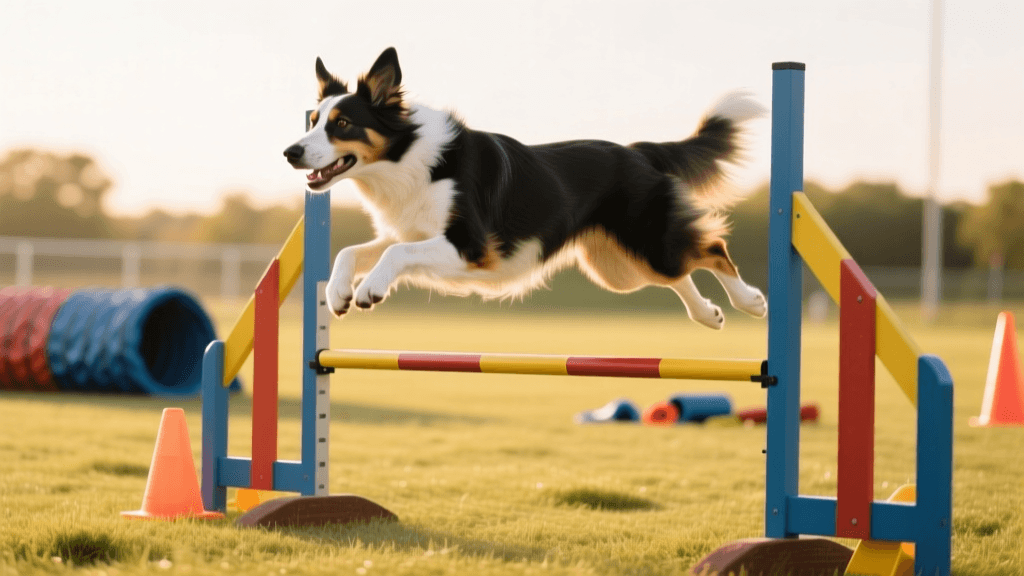
When we think of dog training, we often focus heavily on the mental aspect: the psychology of positive reinforcement, the timing of the clicker, and the cognitive challenge of shaping complex behaviors. However, advanced training disciplines—such as agility, flyball, dock diving, and repetitive trick conditioning—place immense physical demands on a dog's musculoskeletal system. As we navigate the canine sports season in 2026, veterinary sports medicine has increasingly shifted toward a proactive model, emphasizing that joint health is just as critical as behavioral conditioning for long-term training success.
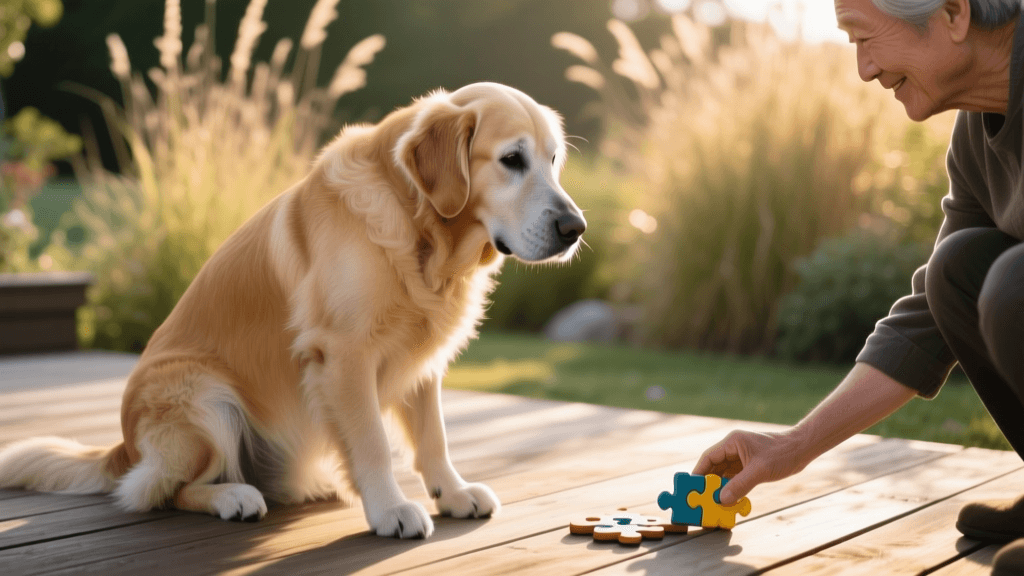
Whether you are teaching a Border Collie to navigate weave poles at top speed, training a Belgian Malinois for repetitive vaulting catches, or simply asking a senior Golden Retriever to perform repeated 'sit-pretty' and 'roll over' tricks, the biomechanical strain on their joints is significant. Without proper nutritional support and recovery protocols, micro-traumas can accumulate, leading to early-onset osteoarthritis, decreased training stamina, and a sudden loss of enthusiasm for the work they once loved.
The Biomechanics of Trick and Agility Training
To understand why joint supplements are a non-negotiable part of a modern training regimen, we must look at the specific joints involved in advanced canine athletics. According to the American College of Veterinary Sports Medicine and Rehabilitation, the most common sites of sports-related wear and tear in dogs include the carpus (wrist), the tarsus (ankle), and the stifle (knee).
- The Carpus and Tarsus: Every time a dog launches off an A-frame or lands a frisbee catch, these lower joints absorb shock equivalent to several times the dog's body weight. Repetitive impact can degrade the cartilage and synovial fluid that cushion these complex, multi-bone structures.
- The Stifle and Hip: Exercises that require explosive lateral movements, such as wrapping jumps in agility or performing 'weave' entries, place heavy rotational torque on the cranial cruciate ligament (CCL) and the hip labrum.
- The Spine: Advanced trick dogs that perform 'hind leg walking' or repetitive 'begging' positions place unnatural compressive forces on their lumbar and lumbosacral vertebrae.
The 2026 Shift to Proactive Joint Support
In the past, joint supplements were largely reserved for senior dogs already showing visible signs of limping or stiffness. Today, the consensus among top canine rehabilitation specialists is that waiting for cartilage degradation to become symptomatic is a failed strategy. Cartilage is avascular, meaning it lacks a direct blood supply and heals incredibly slowly, if at all. The 2026 standard of care for active training dogs involves early, proactive supplementation to maintain synovial fluid viscosity, reduce exercise-induced inflammation, and provide the raw building blocks for cartilage repair before damage occurs.
As noted by experts at the American Kennel Club, integrating high-quality joint support into the daily routine of a working or sporting dog can extend their competitive career by years, keeping their mind sharp and their body willing to learn new cues.
Essential Ingredients for the Canine Athlete
Not all joint supplements are created equal, and the market in 2026 is flooded with under-dosed chews that offer little more than a tasty treat. When selecting a supplement for a dog undergoing rigorous training, look for these clinically backed ingredients:
1. Glucosamine HCl and Chondroitin Sulfate
These are the foundational building blocks of cartilage. Glucosamine stimulates the production of glycosaminoglycans (GAGs), while chondroitin inhibits the enzymes that break down cartilage. For active dogs, look for products that use Glucosamine Hydrochloride (HCl) rather than Glucosamine Sulfate, as HCl provides a higher concentration of the active molecule per milligram.
2. Methylsulfonylmethane (MSM)
MSM is a potent organic sulfur compound that acts as a natural anti-inflammatory. In agility dogs, post-training inflammation can cause stiffness that mimics behavioral resistance. A dog that refuses to jump might not be disobedient; they might simply be experiencing delayed onset muscle and joint soreness. MSM helps mitigate this inflammatory response.
3. Omega-3 Fatty Acids (EPA and DHA)
While often associated with coat health, high levels of Eicosapentaenoic acid (EPA) are crucial for modulating joint inflammation. Veterinary nutritionists, such as those at the UC Davis Nutrition Support Service, frequently recommend targeted Omega-3 therapy to down-regulate the inflammatory pathways triggered by high-impact exercise.
4. UC-II (Undenatured Type II Collagen)
A breakthrough ingredient that has gained massive traction by 2026, UC-II works through oral tolerance. It interacts with the gut-associated lymphoid tissue (GALT) to signal the immune system to stop attacking the dog's own joint collagen, making it highly effective for dogs with autoimmune-mediated joint stress or early degenerative changes.
Top Joint Supplements for Training Dogs in 2026
Below is a comparison of the top-tier joint supplements recommended for active, training, and working dogs this year. Pricing reflects early-to-mid 2026 market averages for a standard 60-count supply.
| Product Name | Key Active Ingredients | Best Training Use Case | Est. 2026 Cost |
|---|---|---|---|
| Dasuquin Advanced | Glucosamine HCl, Chondroitin, ASU, Boswellia, NMXCC95 Curcumin | High-impact agility, flyball, and dock diving | $75 - $85 |
| Nutramax Cosequin DS Plus MSM | Glucosamine HCl, Chondroitin Sulfate, MSM | Obedience trial dogs, rally, and scent work | $45 - $55 |
| VetriScience GlycoFlex Plus | Green Lipped Mussel, Glucosamine, MSM, DMG | Trick dogs, freestyle, and senior active dogs | $50 - $60 |
| Dasuquin with ESO | UC-II Collagen, EPA/DHA, Glucosamine, Chondroitin | Dogs with early stiffness or high inflammatory response | $80 - $90 |
Product Breakdown for Trainers
Dasuquin Advanced remains the gold standard for dogs engaged in extreme athletic pursuits. The addition of ASU (Avocado/Soybean Unsaponifiables) and Boswellia serrata provides a multi-modal approach to cartilage protection and pain modulation. If your dog is running full-height A-frames weekly, this is your premier choice.
Nutramax Cosequin DS Plus MSM is a highly reliable, cost-effective option for dogs in sports that require sustained focus and moderate physical exertion, such as nose work or competitive obedience, where repetitive stacking and positioning can cause joint fatigue over a long trial weekend.
VetriScience GlycoFlex Plus leverages the power of Perna canaliculus (New Zealand Green Lipped Mussel). This whole-food ingredient provides a natural matrix of GAGs, Omega-3s, and amino acids. It is exceptionally palatable, making it easy to use as a high-value reward during trick training sessions.
Structuring Your Training and Supplementation Schedule
How and when you administer these supplements can impact their efficacy. Fat-soluble ingredients, including Omega-3s and certain curcumin extracts, require dietary fat for optimal absorption. Therefore, joint supplements should always be administered with your dog's largest meal, rather than tossed as a standalone treat on an empty stomach.
Furthermore, consistency is paramount. The therapeutic benefits of Glucosamine and Chondroitin rely on maintaining a steady state of these compounds in the bloodstream and synovial fluid. Skipping doses on 'rest days' from training will disrupt this saturation. Treat the supplement as a daily baseline requirement, much like heartworm prevention.
Integrating Low-Impact Cross-Training
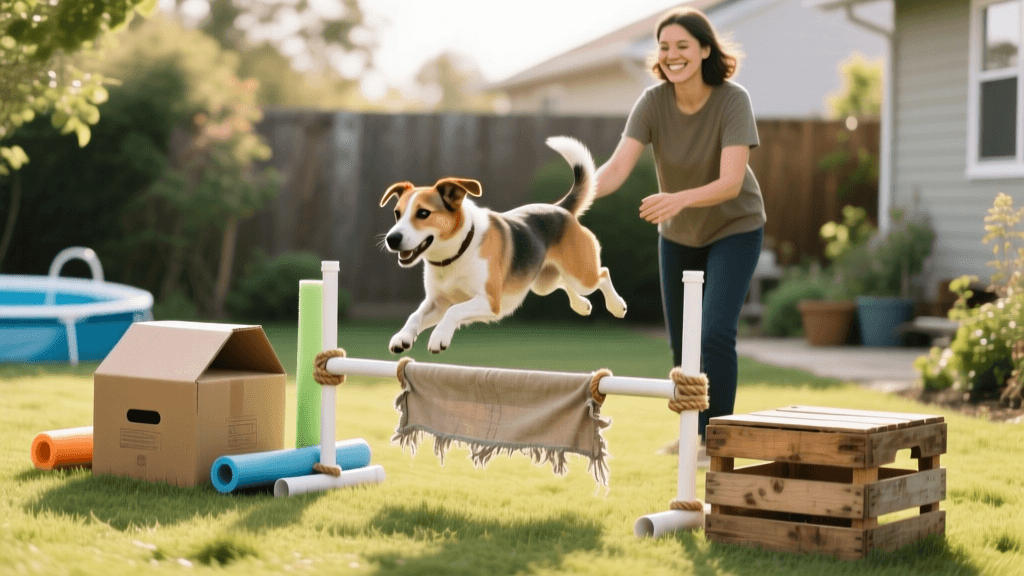
Supplements alone cannot save a dog's joints if the training methodology is flawed. In 2026, top agility handlers and trick dog trainers incorporate mandatory cross-training and proprioception work into their routines. Utilizing tools like inflatable balance discs, cavaletti rails, and core-strengthening exercises on unstable surfaces builds the micro-stabilizer muscles that support the joints. By shifting some of the physical load from the skeletal system to the muscular system, you drastically reduce the mechanical wear on the cartilage.
Additionally, always mandate a 10-minute dynamic warm-up before any high-impact training. Trotting over cavaletti poles, doing figure-eights through your legs, and practicing gentle play-bows increases synovial fluid circulation, effectively 'oiling' the joints before the heavy work begins.
Conclusion
Advanced dog training is a profound partnership between human and canine. As handlers, we owe it to our dogs to protect the bodies that so eagerly perform the tasks we ask of them. By combining intelligent, biomechanically sound training practices with premium, clinically dosed joint supplements, you ensure that your dog's physical capabilities will never be the bottleneck to their learning potential. Invest in their joint health today, and they will reward you with years of enthusiastic, pain-free performance.
beth-carrasco
All our authors care for dogs every day — read more of their work on the authors page.