Top Breeds and Tips for Agility Sport Puppies: 2026 Guide
Discover the best breeds and essential evaluation tips for selecting an agility sport puppy in 2026. Start your competitive dog journey right.
Introduction to Selecting a Sport Puppy in 2026
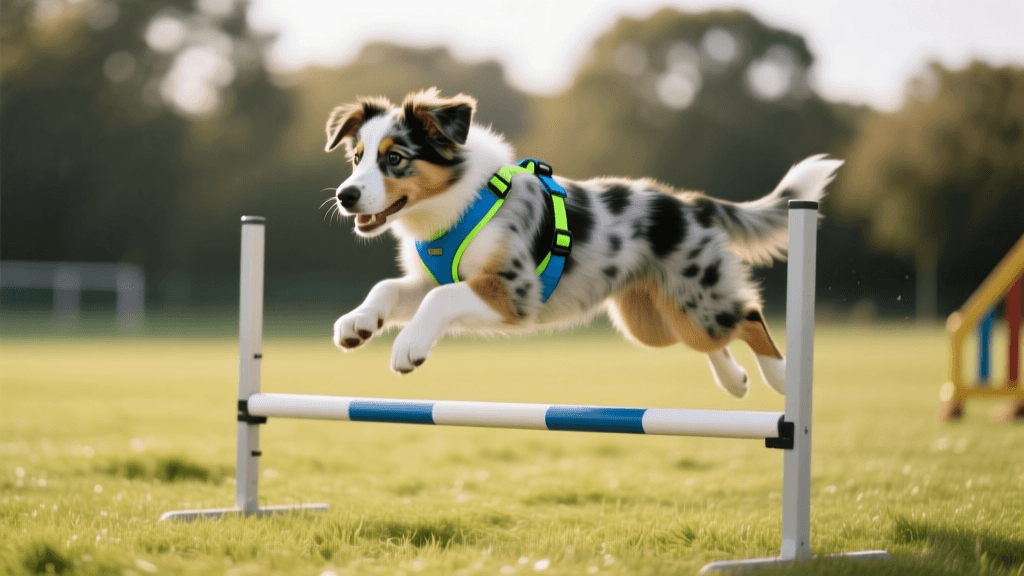
Getting a dog is a monumental decision, but when your goal extends beyond companionship and enters the realm of dog sports, the selection process becomes significantly more complex. As of 2026, competitive dog sports such as agility, FastCAT, flyball, and obedience have seen massive surges in popularity. The American Kennel Club (AKC) reports that agility remains one of the most thrilling and fast-growing canine sports, demanding a unique blend of physical prowess, mental acuity, and an unbreakable bond between handler and dog.
If you are looking to get a dog specifically to compete, you cannot simply walk into a shelter or pick the cutest puppy from a pet-store window. You need a teammate. This guide will walk you through the essential steps for selecting, evaluating, and bringing home a puppy primed for agility and speed sports in 2026, ensuring you set the foundation for a long, healthy, and successful competitive career.
Top Breeds for Agility and FastCAT in 2026
While mixed breeds (All-Americans) are incredibly competitive and widely celebrated in modern dog sports, certain purebreds have been selectively bred for decades to excel in the specific physical and mental demands of the agility ring. When getting a dog for sports, consider these top-tier breeds:
1. Border Collie
The undisputed king of agility. Border Collies possess an unmatched work ethic, explosive speed, and the ability to process complex handling cues in milliseconds. However, they require an experienced handler who can provide immense mental and physical stimulation.
2. Shetland Sheepdog (Sheltie)
Shelties are the perfect alternative for handlers who want the intelligence and drive of a herding dog in a more manageable, smaller package. They are highly biddable, incredibly fast, and excel in the jump heights required for smaller dogs.
3. Papillon
Do not let their toy size fool you. Papillons are the powerhouse of the small-dog agility world. They are fearless, highly trainable, and possess a natural affinity for the sport, often outpacing much larger breeds on technical courses.
4. Whippet
If your interest leans toward straight-line speed sports like AKC FastCAT or lure coursing, the Whippet is unparalleled. They are affectionate, low-maintenance house pets that transform into rocket ships the moment they step onto the field.
Breed Comparison Chart for Dog Sports
| Breed | Primary Sport | Drive Level | Ideal Handler Experience | Maintenance |
|---|---|---|---|---|
| Border Collie | Agility, Herding | Extreme | Advanced | High |
| Shetland Sheepdog | Agility, Obedience | High | Intermediate | Medium |
| Papillon | Agility, Rally | High | Beginner/Intermediate | Low |
| Whippet | FastCAT, Lure Coursing | High (Prey) | Beginner | Low |
| Belgian Malinois | IGP, Protection, Agility | Extreme | Expert Only | Very High |
Structural Evaluation: Building a Canine Athlete
When getting a dog for sports, structural soundness is non-negotiable. Agility requires a dog to jump, turn, and decelerate rapidly, placing immense stress on their joints. In 2026, sport buyers and breeders heavily emphasize functional conformation over mere show-ring aesthetics.
- Shoulder Layback: A well-laid-back shoulder (approaching a 45-degree angle) allows for a longer, more efficient stride and acts as a crucial shock absorber when the dog lands from jumps or A-frame obstacles.
- Topline and Loin: A strong, slightly arched loin provides the flexibility and power needed for tight turns and explosive take-offs. A weak or roached back can lead to early spinal fatigue.
- Rear Angulation: Moderate rear angulation is preferred. Over-angulated rears (often seen in extreme show lines) can lead to cruciate ligament tears, while straight rears lack the driving power necessary for speed.
- Feet and Pasterns: Tight, well-knuckled "cat feet" with strong pasterns are essential. Flat, splayed feet will break down under the repetitive impact of the agility course.
Evaluating the Litter: Puppy Culture and ENS
Modern sport breeders in 2026 utilize structured early development programs like Puppy Culture or Avidog. These protocols ensure that the neurological and emotional foundations of the puppy are optimized for the high-stress environment of a trial venue.
Early Neurological Stimulation (ENS)
Performed between days 3 and 16, ENS involves brief, controlled stressors (like thermal stimulation and varied positioning) that improve the puppy's cardiovascular performance, heart rate, and adrenal response. Puppies raised with ENS are notably more resilient to the loud noises, strange surfaces, and chaotic environments of dog sport venues.
Drive and Temperament Testing
At around 7 to 8 weeks of age, a professional evaluator should test the litter for specific sport traits:
- Prey Drive: Measured by the puppy's willingness to chase a flirt pole or moving object.
- Tug Drive: Essential for building reward-based training systems. A puppy that aggressively grips and holds a tug toy will be easier to motivate in the ring.
- Sound Sensitivity: A sudden loud noise (like a dropped metal pan) is used to gauge recovery time. Sport dogs must recover instantly and return to work without cowering.
- Problem Solving: Placing a treat under a small obstacle to see if the puppy uses its paws or nose to navigate the challenge.
Health Clearances: The 2026 Gold Standard
Never purchase a sport puppy without verifiable health clearances for both parents. The Orthopedic Foundation for Animals (OFA) remains the gold standard for tracking and verifying genetic and structural health. For an agility prospect, you must verify the following:
- Hips and Elbows: Both parents must have OFA Excellent or Good hip ratings, and Normal elbow ratings. PennHIP evaluations are also highly respected for providing a quantitative distraction index.
- OFA Eyes: A current certification from a veterinary ophthalmologist ruling out progressive retinal atrophy (PRA) and cataracts.
- Genetic Panels: In 2026, comprehensive DNA panels are standard. Ensure the parents are clear of breed-specific issues, such as the MDR1 gene mutation (common in herding breeds, which affects drug sensitivity) and cerebellar ataxia.
Finding a Reputable Sport Breeder
The breeder you choose will dictate the ceiling of your dog's potential. A reputable sport breeder does not simply breed two titled dogs; they actively compete, understand canine biomechanics, and mentor their puppy buyers. When interviewing a breeder, ask the following:
- "What specific titles do the sire and dam hold, and at what age did they achieve them?" (Look for MACH, PACH, or FCAT titles, which prove longevity and sustained excellence in the sport).
- "How do you socialize the puppies to novel surfaces and loud environments?"
- "What is your protocol for introducing puppies to motion, wobble boards, and low jumps?"
- "Do you offer co-ownership or require spay/neuter contracts if the dog does not meet sport potential?"
First-Day Essentials for Your Future Sport Dog
When you finally bring your sport prospect home, your training begins on day one. However, "training" at this age does not mean running agility equipment. In 2026, veterinary and sports medicine experts strongly advise against repetitive jumping or high-impact weaving until a dog's growth plates have fully closed (usually between 14 and 18 months). Instead, focus on these foundational skills:
- Surface Awareness: Introduce your puppy to walking on tarps, grates, wobble boards, and slippery floors. This builds proprioception and core strength.
- Crate Training and Settling: A sport dog must know how to "turn off" and sleep in a crate amidst the chaos of a trial grounds. Teach a solid "place" command immediately.
- Engagement and Focus: Teach the puppy that you are the most rewarding thing in the environment. Use high-value treats and short, explosive play sessions to build a strong reinforcement history.
- Body Awareness: Teach the puppy to back up, pivot in a bowl, and target a mat. These foundational movements translate directly to the precision required for agility contacts and weave pole entries later in life.
Getting a dog for competition is a profound commitment that requires research, patience, and financial investment. By prioritizing structural soundness, verified health clearances, and modern early-development protocols, you will secure not just a pet, but a capable, resilient, and enthusiastic partner for the agility ring.
marcus-aldridge
All our authors care for dogs every day — read more of their work on the authors page.