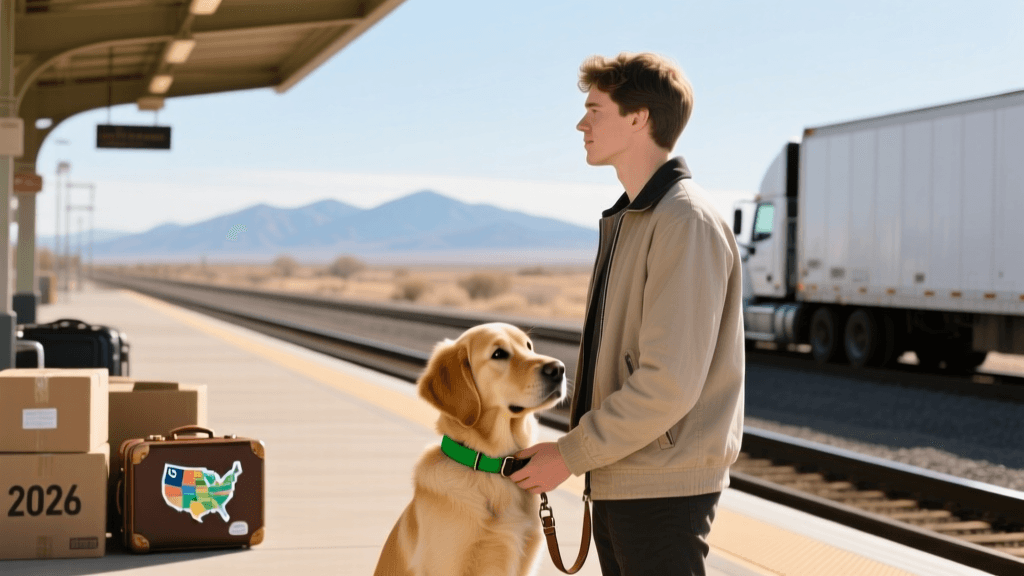
Getting a Dog During a Cross-Country Move: 2026 Relocation Guide
Planning a cross-country move in 2026? Learn how to safely adopt and relocate with a new dog, including costs, airline policies, and breed tips.
Navigating the Dual Transition of Moving and Adopting
Welcoming a new dog into your life is a profound transition, filled with joy, new routines, and a fair share of chaos. Doing so while simultaneously executing a cross-country move amplifies the complexity of both events. In 2026, with shifting remote-work patterns and evolving urban pet regulations, more individuals and families are finding themselves in the unique position of acquiring a dog right before or during a major relocation. Whether you are moving from a sprawling suburban home in Texas to a high-rise apartment in Chicago, or leaving a coastal city for a mountain town, the logistics of merging these two life events require meticulous planning.
The decision to get a dog during a move is not one to be taken lightly. A new dog is already processing the trauma of leaving a shelter or breeder, and adding a cross-country journey into the mix can elevate their stress levels. However, with the right preparation, breed selection, and an understanding of 2026 pet transit regulations, you can seamlessly integrate your new companion into your new life. This comprehensive guide will walk you through the timing, financial budgeting, legal requirements, and environmental acclimation necessary for a successful cross-country relocation with a newly adopted dog.
Timing Your Adoption: Before or After the Move?
One of the most critical decisions you will face is whether to adopt your dog before the move or wait until you have settled into your new home. Both approaches have distinct advantages and drawbacks depending on your specific moving logistics.
Adopting Before the Move
Adopting a few weeks before your move allows the dog to bond with you in a familiar environment before facing the stress of transit. You can establish baseline routines, crate train, and build trust. However, the chaotic environment of packing—movers walking in and out, boxes everywhere, and disrupted schedules—can be highly triggering for a newly adopted, potentially anxious dog. If you choose this route, you must create a designated "quiet zone" in your current home where the dog can retreat while the packing process unfolds.
Adopting After the Move
Waiting until you are unpacked and settled allows you to bring the dog directly into their "forever" environment. This eliminates the stress of long-distance transit during their critical decompression period. The downside is that you will be dealing with the exhaustion of unpacking while simultaneously managing puppy training or the decompression needs of an adult rescue. If you opt for this, ensure your new home is fully pet-proofed and equipped with essentials before the dog crosses the threshold.
Selecting a Breed for Your New Environment
When getting a dog amidst a relocation, you must select a breed or mixed breed that aligns with your destination, not your current location. A herding dog that thrived in your current rural acreage may develop severe behavioral issues if your new home is a compact urban apartment with high noise levels. In 2026, urban centers have become increasingly strict regarding breed-specific legislation (BSL) and weight limits in rental properties, making research paramount.
| Relocation Scenario | Recommended Breed Profiles | Breeds to Approach with Caution | Key 2026 Considerations |
|---|---|---|---|
| Rural to Urban High-Rise | Greyhounds, Cavalier King Charles Spaniels, Bichon Frises | Border Collies, Huskies, Livestock Guardians | Check building weight limits and local noise ordinances; prioritize low-bark breeds. |
| Urban to Suburban/Rural | Golden Retrievers, Labrador Retrievers, Pointers | Toy breeds (if local wildlife is prevalent) | Ensure fencing is secure for off-leash recall training; check county leash laws. |
| Warm Climate to Cold Climate | Alaskan Malamutes, Bernese Mountain Dogs, Newfoundlands | Chihuahuas, Chinese Cresteds, Whippets | Budget for 2026 winter gear like insulated coats and paw balms for ice melt protection. |
| Cold Climate to Warm Climate | Vizslas, Rhodesian Ridgebacks, Basenjis | Thick-coated Nordic breeds, Bulldogs (heat risk) | Plan for early morning walks to avoid pavement heat; ensure home has robust AC. |
Budgeting for 2026 Cross-Country Pet Relocation
Relocating a pet across the country involves more than just buying a carrier. The costs associated with pet transit have adjusted in 2026 due to inflation, updated airline policies, and increased demand for specialized pet transport services. Below is a breakdown of estimated costs to help you budget effectively.
| Expense Category | Estimated 2026 Cost | Notes and Variables |
|---|---|---|
| Health Certificate (CVI) | $150 - $300 | Required for interstate travel; must be issued within 10-30 days of travel depending on the state. |
| Airline Cabin Pet Fee | $125 - $175 (One Way) | Varies by carrier; Delta and United updated their 2026 fee structures. Must book well in advance. |
| Professional Ground Transport | $800 - $2,500+ | Depends on distance. Ideal for large breeds that cannot fly in-cabin or for owners who cannot drive. |
| Travel Crate (Airline Approved) | $80 - $250 | Must meet IATA standards if flying in cargo (though most major US airlines banned cargo pets in recent years). |
| Post-Move Vet Visit | $100 - $250 | Establishing care in your new city and updating local microchip registry details. |
Navigating Health Certificates and Legalities
Interstate travel with a dog requires strict adherence to state-by-state agricultural and health laws. According to the USDA APHIS Pet Travel guidelines, most states require a Certificate of Veterinary Inspection (CVI) issued by an accredited veterinarian within 30 days prior to entering the state. This document proves that your dog is free of contagious diseases and is up-to-date on their rabies vaccination.
Failure to secure a CVI can result in fines, mandatory quarantine, or being turned away at state borders. Furthermore, the American Veterinary Medical Association (AVMA) strongly recommends carrying a physical and digital copy of your dog's complete medical records, including proof of heartworm prevention and flea/tick treatments, which are vital when moving through regions with high tick-borne disease prevalence. If you are adopting from a rescue, ensure the organization provides you with a comprehensive medical file before you initiate the move.
2026 Airline and Ground Transport Policies
If you are flying to your new home, navigating airline pet policies in 2026 requires early action. Major US carriers have severely limited the number of pets allowed in the cabin per flight—often capping it at two to four animals. This means you must book your pet's ticket at the exact same time you book your own, sometimes months in advance. Soft-sided carriers must fit under the seat in front of you, and airlines are increasingly strict about enforcing size and weight limits at the gate.
For large dogs, the options are more constrained. Following the widespread industry ban on transporting pets as cargo in the hold, the 2026 landscape relies heavily on professional, USDA-registered ground pet transport services. These services utilize climate-controlled vans with GPS tracking and scheduled rest stops. While expensive, this is currently the safest and most viable method for moving large breeds across the country. If you are driving yourself, plan your route using apps that specifically filter for pet-friendly hotels, as many national chains have updated their pet fee structures and weight restrictions this year.
Setting Up Your New Home for Day One
The first 72 hours in a new home are critical for a newly adopted dog. The ASPCA recommends establishing a "safe room" or a confined area before bringing the dog inside. This room should be set up with their crate, water, familiar toys, and an article of your unwashed clothing to provide scent-based comfort. Allowing a new dog to roam a massive, unfamiliar house immediately can lead to sensory overload, marking behaviors, and severe anxiety.
The 2026 New Home Survival Kit
- Smart Pet Cameras: Devices like the Furbo 360 or Eufy Indoor Cam allow you to monitor your dog's decompression while you are out unpacking or running errands in your new city.
- Enzymatic Cleaners: Essential for immediately neutralizing any accidents caused by transit-induced stress or changes in water chemistry.
- Calming Pheromone Diffusers: Plug-in adapters like Adaptil release synthetic dog-appeasing pheromones that help lower heart rates and encourage rest in unfamiliar environments.
- GPS Smart Collars: A dog that bolts out an unfamiliar front door in a new neighborhood is at high risk. Ensure their GPS collar (like the Fi Series 4 or Whistle Go) is fully charged and the cellular subscription is active before the car doors open at your new house.
Acclimating to New Environmental Hazards
Every geographic region presents unique environmental hazards that your new dog may not be accustomed to. If you have relocated from a northern state to the American Southwest, you must immediately train your dog to avoid venomous wildlife like rattlesnakes or scorpions, and condition their paws to handle scorching pavement. Conversely, moving to a densely populated urban center requires intensive desensitization to sirens, heavy foot traffic, and the presence of strangers in close proximity.
Take the time to research local flora and fauna. Certain common landscaping plants in your new state may be highly toxic to dogs. Schedule a "meet and greet" with a local veterinarian within the first two weeks of your arrival. This not only establishes a medical safety net in case of emergencies but also provides you with a local expert who can advise on regional parasites, local wildlife threats, and the best neighborhood socialization spots for your new companion. By merging strategic planning with deep empathy for your dog's experience, your cross-country move will become the foundation of a beautiful, lifelong bond.
marcus-aldridge
All our authors care for dogs every day — read more of their work on the authors page.