2026 Agility Dog Recovery: PEMF Therapy & Massage Guide
Discover the ultimate 2026 recovery guide for agility dogs. Learn PEMF therapy benefits, sports massage techniques, and structured protocols to prevent injuries.
The Demands of Modern Canine Agility in 2026
As the 2026 competitive agility season reaches its peak, the athleticism required from our canine partners is higher than ever. Modern agility courses feature tighter turning radiuses, higher jump heights, and more complex obstacle discriminations. While the American Kennel Club (AKC) continues to refine safety standards for equipment, the biomechanical stress placed on a dog's musculoskeletal system remains immense. A 50-pound Border Collie hitting the A-frame down-ramp generates forces equivalent to several times their body weight, placing extreme loads on the shoulders, iliopsoas muscles, and spinal column.
For the serious agility handler, training and conditioning are only half the equation. The other half—recovery—is where longevity in the sport is truly forged. In 2026, canine sports medicine has shifted heavily toward proactive, at-home recovery modalities. Among the most effective and scientifically backed methods are Pulsed Electromagnetic Field (PEMF) therapy and targeted canine sports massage. Integrating these practices into your weekly routine can drastically reduce injury rates, alleviate delayed onset muscle soreness (DOMS), and keep your dog performing at their peak.
Understanding PEMF Therapy for Canine Athletes
Pulsed Electromagnetic Field (PEMF) therapy has transitioned from an experimental veterinary treatment to a staple in the crates of elite agility dogs. PEMF devices emit low-frequency electromagnetic waves that penetrate deep into tissues, stimulating cellular repair and reducing inflammation without generating heat or requiring the dog to remain perfectly still.
How PEMF Works at the Cellular Level
When an agility dog sustains micro-tears in their muscle fibers from explosive starts or sharp decelerations, the cells in the affected area become inflamed and lose their optimal electrical charge. PEMF therapy works by re-establishing the natural electromagnetic charge of the cell membranes. This process enhances the production of nitric oxide, which improves localized blood circulation and oxygen delivery. According to research supported by institutions like the Colorado State University Veterinary Teaching Hospital Rehabilitation department, improved microcirculation accelerates the removal of metabolic waste products like lactic acid, significantly shortening recovery times between trial runs.
Implementing PEMF in Your 2026 Routine
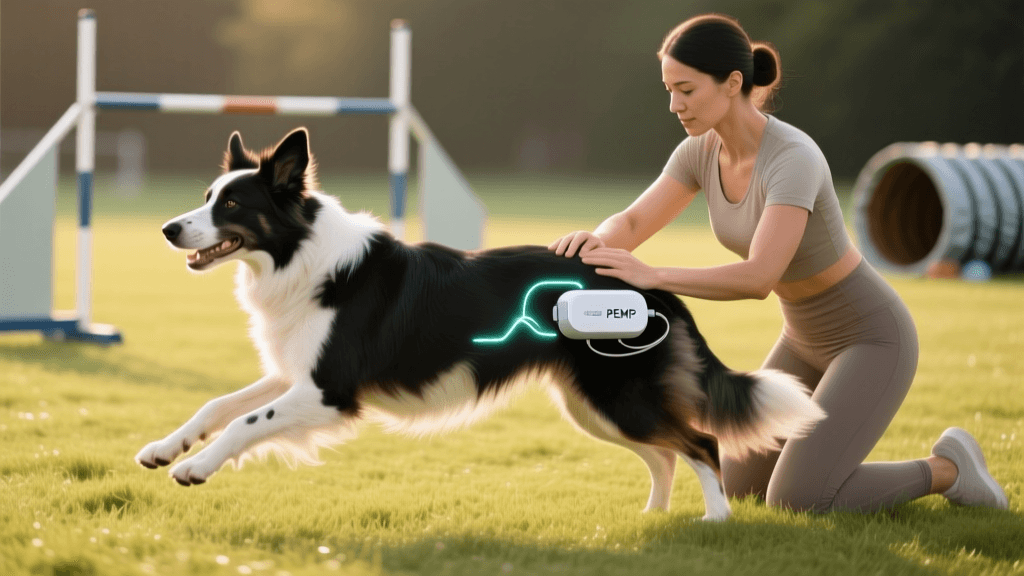
Modern wearable PEMF loops and blankets are incredibly lightweight, allowing dogs to rest comfortably in their crates while receiving treatment. For acute strain or post-competition soreness, a 20-minute session using a targeted PEMF loop placed over the lumbar spine or shoulder assembly is highly recommended. For general maintenance and systemic inflammation reduction, full-body PEMF blankets can be used for 30 to 60 minutes on rest days. The beauty of PEMF is its cumulative effect; regular use builds a baseline of cellular resilience that helps prevent soft tissue injuries before they occur.
Sports Massage Techniques for Agility Dogs
While PEMF handles cellular recovery, canine sports massage addresses the physical fascia, muscle bellies, and connective tissues. Learning foundational massage techniques allows handlers to identify areas of tension, heat, or asymmetry before they develop into full-blown lameness issues. The American College of Veterinary Sports Medicine and Rehabilitation (ACVSMR) emphasizes that regular palpation and manual therapy are critical for early detection of musculoskeletal imbalances.
1. Effleurage (Superficial Gliding)
Effleurage is the foundation of any canine massage session. It involves long, sweeping, continuous strokes performed with the flat of your hand, following the direction of the muscle fibers and venous return (toward the heart). Application: Use effleurage at the beginning of a massage to warm up the tissues, distribute natural skin oils, and acclimate your dog to your touch. It is also the perfect technique for immediately after a run to promote lymphatic drainage and calm the nervous system. Apply light to medium pressure, ensuring your strokes are slow and rhythmic.
2. Petrissage (Kneading and Compression)
Petrissage involves lifting, squeezing, and kneading the muscle tissue. This technique is essential for breaking up adhesions and increasing the elasticity of the muscle fascia. Application: Focus petrissage on the large muscle groups that drive propulsion, such as the gluteals, hamstrings, and the latissimus dorsi. Gently grasp the muscle belly, lift it slightly away from the bone, and apply a gentle squeezing motion. Never knead directly over the spine, joints, or bony prominences. If your dog flinches or tenses, reduce the pressure immediately.
3. Myofascial Release and Trigger Point Therapy
Agility dogs frequently develop trigger points—hyperirritable spots in the fascia surrounding skeletal muscle. Common culprits include the iliopsoas (hip flexor) and the infraspinatus (shoulder). Application: When you feel a distinct "knot" or band of tension, apply steady, sustained pressure with your thumb or fingertips for 30 to 90 seconds. Do not rub or massage the knot; simply hold the pressure until you feel the tissue "melt" or release under your fingers. Follow up with gentle effleurage to flush the area.
Recognizing Signs of Overtraining and Fatigue
Even with the best recovery protocols, pushing a dog past their physiological limits will result in injury. In 2026, sports psychologists and veterinary rehabilitation specialists urge handlers to look beyond obvious limping. Subtle signs of overtraining include a reluctance to engage in tug play, a drop in drive on the start line, slower weave pole entries, and changes in sleeping patterns. If your dog exhibits these behaviors, it is a clear signal that their central nervous system and muscular structures require an extended rest period, not just a quick massage.
The 2026 Agility Recovery Protocol
To help you structure your dog's care, we have developed a comprehensive recovery protocol tailored for weekend agility trials. This schedule integrates physical manipulation, technological aids, and active recovery.
| Phase | Timing | Activity | Duration | Primary Goal |
|---|---|---|---|---|
| Pre-Run | 15 mins before | Dynamic stretching & Effleurage | 5-7 mins | Increase blood flow and tissue elasticity |
| Immediate Post-Run | 5 mins after | Cool-down walk & Hydration | 10-15 mins | Gradual heart rate reduction |
| Crate Recovery | 30 mins post-run | Targeted PEMF Loop (Shoulders/Hips) | 20 mins | Cellular repair and inflammation control |
| Evening Routine | 2 hours post-competition | Petrissage & Myofascial Release | 15-20 mins | Release muscle tension and adhesions |
| Rest Day | Day after trial | Hydrotherapy or Sniffari Walk | 30 mins | Active recovery and mental decompression |
Nutritional Support for Joint and Muscle Health
Recovery is not solely external; it must be fueled from within. The nutritional landscape for canine athletes in 2026 highlights the importance of targeted supplementation. Undenatured Type II Collagen (UC-II) has become a gold standard for joint health, working via oral tolerance to modulate the immune system's inflammatory response in the joints. Additionally, high-EPA Omega-3 fatty acids derived from wild-caught fish oil or green-lipped mussel extract provide systemic anti-inflammatory benefits that complement PEMF therapy.
For muscle recovery, ensuring adequate high-quality protein intake immediately following a trial day is crucial. Branched-chain amino acids (BCAAs) and antioxidants like astaxanthin can help neutralize the free radicals generated during intense aerobic and anaerobic exercise on the agility course.
Conclusion
Competing in dog agility is a marathon, not a sprint. By embracing advanced recovery modalities like PEMF therapy and mastering foundational sports massage techniques, you are investing in your dog's long-term health and happiness. The 2026 season rewards those who prioritize wellbeing just as much as speed. Listen to your dog, respect their physical limits, and utilize these structured recovery protocols to ensure they remain joyful, healthy, and flying over the jump stanchions for years to come.
marcus-aldridge
All our authors care for dogs every day — read more of their work on the authors page.