Librela for Canine OA in 2026: Efficacy, Cost, and Side Effects
Discover how Librela (bedinvetmab) is transforming canine osteoarthritis treatment in 2026. Learn about efficacy, costs, side effects, and multimodal care.
The Evolution of Canine Osteoarthritis Treatment in 2026
Osteoarthritis (OA) is a progressive, degenerative joint disease that affects an estimated one in five adult dogs, and the numbers climb significantly for senior canines. As we navigate 2026, veterinary medicine has seen a paradigm shift in how we approach chronic pain management. Moving away from a reliance solely on daily oral medications, the veterinary community now heavily favors targeted biologic therapies combined with multimodal lifestyle interventions. At the forefront of this revolution is Librela (bedinvetmab), a breakthrough treatment that has fundamentally changed the standard of care for canine OA.
According to the American Veterinary Medical Association (AVMA), early intervention and consistent pain management are critical to maintaining a dog's quality of life. In this comprehensive 2026 guide, we will explore the efficacy, safety, cost, and practical application of Librela, alongside the holistic strategies required to keep your arthritic dog comfortable, mobile, and happy.
What is Librela (Bedinvetmab)?
Librela is a caninized anti-Nerve Growth Factor (NGF) monoclonal antibody. To understand how it works, it is essential to understand the role of NGF in the body. When a dog's joints are damaged by osteoarthritis, the body releases NGF, which binds to pain receptors and amplifies the pain signals sent to the brain. Over time, chronic joint damage leads to an overabundance of NGF, resulting in severe, persistent pain and hypersensitivity.
Rather than masking the pain or reducing general inflammation like traditional drugs, Librela specifically targets and neutralizes NGF. By binding to this specific protein, the medication stops the pain signal from reaching the brain. Because it is a monoclonal antibody—a type of protein engineered to mimic the dog's natural immune system—it is broken down and recycled by the body just like natural proteins, bypassing the liver and kidney metabolic pathways that are often stressed by daily oral medications.
Librela vs. NSAIDs and Galliprant: A 2026 Comparison
For decades, Non-Steroidal Anti-Inflammatory Drugs (NSAIDs) like carprofen and meloxicam were the undisputed first-line defense for canine OA. More recently, Galliprant (grapiprant) offered a targeted NSAID alternative. However, in 2026, Librela is frequently recommended as the premier option, especially for senior dogs or those with pre-existing organ concerns. Below is a detailed comparison of the leading pharmacological treatments available today.
| Feature | Librela (Bedinvetmab) | Traditional NSAIDs (e.g., Carprofen) | Galliprant (Grapiprant) |
|---|---|---|---|
| Mechanism of Action | Anti-NGF Monoclonal Antibody | COX-1 & COX-2 Enzyme Inhibition | EP4 Receptor Antagonist |
| Administration | Monthly Subcutaneous Injection | Daily Oral Tablet/Chew | Daily Oral Tablet |
| Organ Impact | Metabolized like natural proteins (Liver/Kidney safe) | Potential GI, Liver, and Kidney strain | Reduced GI/Kidney risk compared to traditional NSAIDs |
| Efficacy for Nerve Pain | Highly Effective (Targets NGF) | Moderate (Primarily targets inflammation) | Moderate (Targets specific inflammatory prostaglandins) |
| 2026 Average Cost | $90 - $160 per month | $30 - $80 per month | $80 - $130 per month |
Administration, Dosage, and 2026 Pricing
Librela is administered via a subcutaneous injection (under the skin) by a veterinarian or veterinary technician once every 30 days. The dosage is strictly weight-based, categorized into specific vial sizes to ensure precise dosing. One of the most significant advantages reported by pet owners in 2026 is the elimination of the daily struggle to pill a dog, ensuring 100% compliance with the treatment regimen.
Regarding cost, prices vary based on your geographic location, the specific veterinary clinic's pricing structure, and your dog's weight class. As of 2026, pet owners can expect to pay between $90 and $160 per monthly injection. While this places Librela at a higher price point than generic NSAIDs, many owners find the cost comparable to Galliprant, but with the added benefit of zero daily administration and vastly reduced risks of gastrointestinal ulcers or organ toxicity. Furthermore, Zoetis Petcare occasionally offers manufacturer rebates or loyalty programs that can help offset the cumulative annual cost of the therapy.
Building a Multimodal OA Management Plan
While Librela is a phenomenal tool for pain management, veterinary experts universally agree that no single medication is a silver bullet. The Washington State University College of Veterinary Medicine emphasizes that a multimodal approach—combining pharmacological treatments with lifestyle, environmental, and nutritional modifications—yields the best long-term outcomes for arthritic dogs.
1. Strict Weight Management
Excess body weight is the single most destructive factor for arthritic joints. Every extra pound places exponential stress on degraded cartilage. In 2026, veterinary nutritionists recommend keeping arthritic dogs on the lean side of the ideal body condition score (BCS). This often means reducing daily caloric intake by 10-20% and switching to a prescription joint-support or metabolic diet that maintains muscle mass while shedding fat.
2. Targeted Joint Supplements
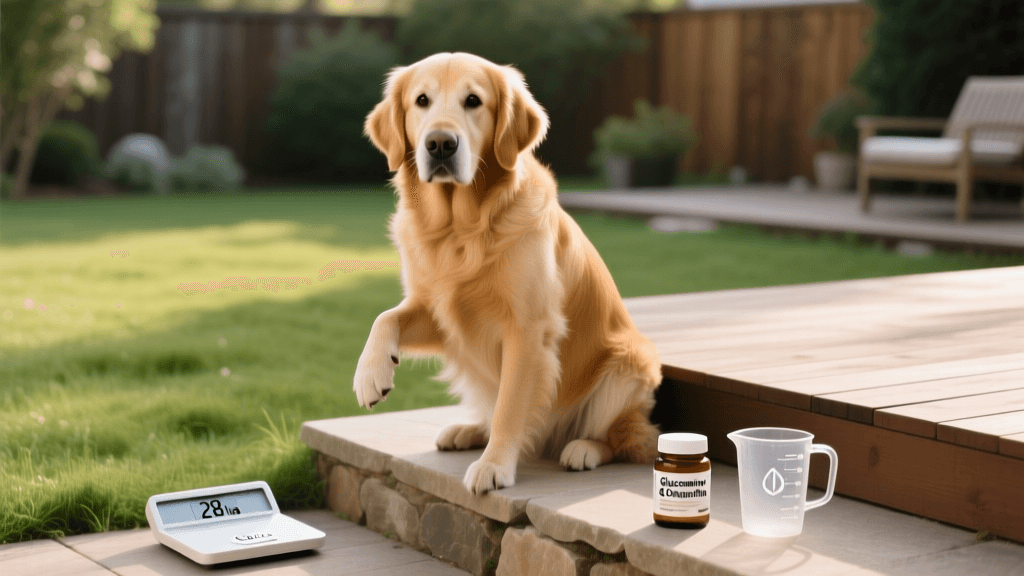
Supplements work synergistically with Librela to support joint health and reduce residual inflammation. The most evidence-backed supplements for 2026 include:
- Omega-3 Fatty Acids (EPA & DHA): Sourced from wild-caught fish oil or green-lipped mussel, high doses of Omega-3s naturally inhibit inflammatory pathways. A therapeutic dose typically requires 100-300 mg of combined EPA/DHA per kilogram of body weight daily to achieve clinical anti-inflammatory effects.
- Undenatured Type II Collagen (UC-II): This supplement works via oral tolerance, signaling the immune system to stop attacking the cartilage in the joints, thereby slowing the autoimmune component of joint degradation.
- Green Lipped Mussel Extract: Rich in glycosaminoglycans (GAGs) and natural chondroitin, it provides the building blocks necessary for synovial fluid health and cartilage repair.
3. Physical Therapy and Environmental Modifications
Maintaining muscle mass is vital because strong muscles act as shock absorbers for compromised joints. Low-impact exercises, such as controlled leash walking on soft surfaces and hydrotherapy (underwater treadmills), are highly recommended. Avoid high-impact activities like fetch, frisbee, or jumping.
Inside the home, environmental modifications are just as critical as medication:
- Orthopedic Bedding: Invest in high-density, memory-foam orthopedic beds that are at least 4 to 6 inches thick to prevent joints from pressing against the hard floor while your dog sleeps.
- Traction Modifications: Slippery hardwood or tile floors can cause micro-traumas and falls. Use interlocking foam mats, yoga mats, or specialized dog grip socks to provide secure footing in high-traffic areas.
- Ramps and Stairs: Never allow an arthritic dog to jump into an SUV or onto a bed. Use ramp systems with gentle inclines and high-traction surfaces to preserve the spine and hips.
- Elevated Bowls: Raising food and water bowls by 4 to 8 inches reduces the strain on the neck, shoulders, and front carpal joints during meals.
4. Integrative Therapies: Acupuncture and Laser
In 2026, integrative veterinary medicine is fully mainstream. Class IV Cold Laser Therapy (photobiomodulation) is routinely used alongside Librela to stimulate cellular repair and reduce localized joint effusion. Similarly, canine acupuncture has been clinically proven to release endogenous endorphins and improve blood flow to atrophied muscle groups surrounding arthritic joints, providing an excellent non-pharmacological boost to your dog's comfort levels.
Potential Side Effects and Safety Profile
Because Librela is a protein-based biologic and not a chemical drug, its side effect profile is remarkably mild. Clinical trials and post-market surveillance leading into 2026 have shown that adverse reactions are rare and generally limited to minor, transient swelling or redness at the injection site. Unlike NSAIDs, Librela does not carry warnings for gastrointestinal bleeding, renal failure, or hepatic toxicity, making it the safest long-term option for senior dogs with concurrent kidney or liver disease.
However, it is important to note that because Librela masks the pain of OA so effectively, some dogs may overexert themselves during the first few weeks of treatment, feeling like puppies again. Owners must strictly enforce rest periods and controlled exercise to prevent secondary soft-tissue injuries or acute joint flare-ups.
Frequently Asked Questions
Can I give my dog Librela and an NSAID at the same time?
Yes. In severe cases of canine OA where Librela alone does not provide complete comfort, veterinarians in 2026 frequently prescribe a low-dose NSAID alongside Librela. Because they operate via completely different metabolic pathways, the combination is generally safe, provided your dog has healthy baseline organ function and is monitored with routine bloodwork.
How quickly will I see results?
While some owners report noticing increased mobility within the first 48 hours, the full therapeutic effect of the anti-NGF antibodies usually peaks around 7 to 14 days after the first injection. Consistency is key; missing a monthly dose will allow NGF levels to rebound, resulting in a return of pain and stiffness.
Is Librela safe for dogs with pre-existing kidney disease?
Yes. Because monoclonal antibodies are degraded into amino acids and peptides by the reticuloendothelial system rather than being excreted through the kidneys or liver, Librela is considered exceptionally safe for dogs suffering from chronic kidney disease (CKD) or hepatic insufficiency—a common scenario in geriatric canine patients.
Final Thoughts
The treatment of canine osteoarthritis in 2026 is more effective, safer, and more compassionate than ever before. Librela represents a monumental leap forward in veterinary pain management, offering dogs the chance to live their golden years with dignity and comfort. By pairing this innovative biologic therapy with strict weight management, targeted joint supplements, and a thoughtfully modified home environment, you can drastically slow the progression of OA and give your best friend the active, pain-free life they deserve. Always consult with your primary veterinarian to tailor a multimodal pain management protocol specific to your dog's unique medical history and lifestyle needs.
robin-maitland
All our authors care for dogs every day — read more of their work on the authors page.