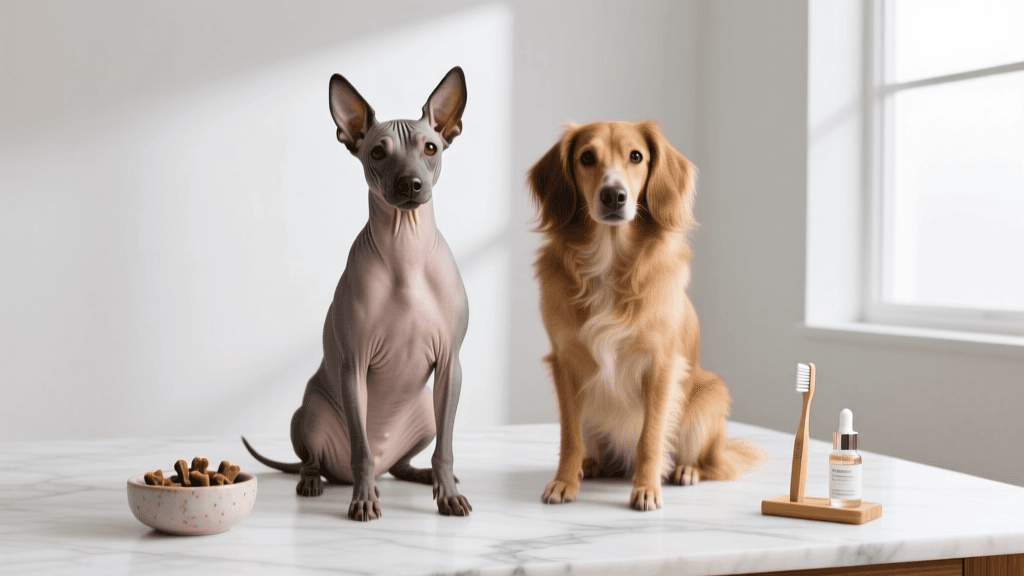
Xoloitzcuintli Health Guide 2026: Skin & Dental Care Tips
Discover the essential 2026 health, skin, and dental care routines for the Xoloitzcuintli. Expert vet tips for hairless and coated Xolo wellbeing.
The Xoloitzcuintli in 2026: An Ancient Breed with Modern Needs
The Xoloitzcuintli, often affectionately called the Xolo or Mexican Hairless Dog, has seen a remarkable surge in global popularity as we move through 2026. Urbanization, a growing preference for low-shedding companions, and a deeper appreciation for ancient, primitive breeds have pushed this iconic canine into the spotlight. However, owning a Xolo is not like owning a standard domestic dog. Their unique genetic makeup requires a highly specialized approach to veterinary care, dermatology, and dental hygiene. According to the American Kennel Club (AKC), the Xoloitzcuintli is a robust, ancient breed that dates back over 3,000 years, but their modern environment demands contemporary, science-backed wellness routines.
Whether you are caring for the striking hairless variety or the less common coated variety, understanding the physiological quirks of the Xolo is paramount. This comprehensive 2026 guide will walk you through the essential health and wellbeing protocols required to keep your Xolo thriving, focusing on their most vulnerable systems: the skin, the teeth, and their unique metabolic and thermoregulatory needs.
The FOXI3 Gene: Understanding Hairless Xolo Physiology
To understand the health needs of the hairless Xolo, one must understand the FOXI3 gene. This specific genetic mutation is responsible for the breed's characteristic lack of hair, but it also directly impacts their dentition and skin barrier. Because the hairless trait is a dominant genetic mutation, breeding two hairless Xolos can be lethal to the puppies, which is why responsible breeders in 2026 frequently cross hairless Xolos with coated Xolos to maintain genetic diversity and vitality.
The absence of a protective fur coat means the hairless Xolo's skin is directly exposed to environmental stressors, UV radiation, and temperature fluctuations. Their skin is naturally thicker than that of coated breeds, but it is highly prone to sebum overproduction, canine acne, and solar dermatitis. Establishing a rigorous, veterinary-approved dermatological routine is not optional; it is a fundamental requirement for their wellbeing.
Dermatological Health: The 2026 Skincare Routine
A common misconception among new Xolo owners is that hairless dogs require less grooming. In reality, they require significantly more active skin management than coated breeds. Without fur to wick away natural oils, sebum builds up rapidly on the Xolo's skin, leading to clogged pores, blackheads, and painful bacterial or fungal acne.
Cleansing and Exfoliation
In 2026, veterinary dermatologists strongly advise against using human skincare products or harsh, heavily fragranced dog shampoos on Xolos. The ideal cleansing routine involves a gentle, soap-free, hypoallergenic veterinary shampoo containing ingredients like colloidal oatmeal or aloe vera. Bathing should occur every one to two weeks. Between baths, wiping the dog down with veterinary-grade chlorhexidine or climbazole wipes, such as Douxo S3 CALM pads, helps manage localized yeast and bacterial populations without stripping the skin's natural moisture barrier.
Sun Protection and Moisture
Solar dermatitis is a severe risk for hairless Xolos, particularly on the bridge of the nose, the tips of the ears, and the back. Prolonged UV exposure can lead to painful sunburns and significantly increase the risk of squamous cell carcinoma. When taking your Xolo outdoors during peak sunlight hours, apply a dog-specific, zinc-oxide-free sunscreen. Zinc oxide is highly toxic to dogs if ingested during grooming. After bathing or sun exposure, applying a veterinary-approved ceramide-based moisturizer helps repair the epidermal barrier and prevents severe dryness and cracking during winter months.
Dental Anomalies and Preventative Oral Care
The same FOXI3 gene mutation that inhibits hair follicle development also disrupts the formation of tooth buds. It is entirely normal and expected for a hairless Xolo to be missing several premolars, and some may lack incisors or canines. While this genetic quirk does not typically impair their ability to eat or grasp toys, the teeth they do have are often spaced irregularly, creating deep periodontal pockets where plaque and tartar accumulate rapidly.
The American Veterinary Medical Association (AVMA) emphasizes that periodontal disease is the most common clinical condition occurring in adult dogs, and breeds with dental anomalies are at an even higher risk. By age three, most dogs show signs of periodontal disease, which can lead to systemic infections affecting the heart, liver, and kidneys.
Implementing a Modern Dental Protocol
Daily mechanical brushing remains the gold standard for Xolo dental care in 2026. Use a soft-bristled, dual-headed canine toothbrush and a veterinary enzymatic toothpaste (poultry or beef flavored). Never use human toothpaste, as fluoride and xylitol are highly toxic to dogs. For Xolos that are highly resistant to manual brushing, ultrasonic canine toothbrushes have become increasingly popular and effective at disrupting plaque biofilms without requiring vigorous scrubbing.
Additionally, incorporate dental chews and diets that carry the seal of approval from the Veterinary Oral Health Council (VOHC). These products have undergone rigorous clinical testing to prove their efficacy in reducing plaque and tartar accumulation. Water additives containing chlorine dioxide can also be used to neutralize oral bacteria and freshen breath between brushings.
Thermoregulation and Orthopedic Support
Lacking an insulating coat and possessing a naturally lean, greyhound-like physique, the hairless Xolo struggles with thermoregulation. They are highly sensitive to cold and can become hypothermic in environments that humans find merely chilly. In 2026, smart-heating dog beds with adjustable, thermostatically controlled pads are highly recommended for Xolo owners living in temperate or cold climates. These beds maintain a safe, consistent ambient temperature, preventing the dog from shivering and burning excess calories just to stay warm.
Furthermore, their lean build places specific stresses on their joints. Providing an orthopedic memory foam bed is crucial to prevent pressure sores on their bony prominences (elbows, hocks, and hips) and to support joint health as they age. When walking in temperatures below 60°F (15°C), a well-fitted, insulated canine sweater or jacket is mandatory.
Nutrition and Weight Management
Xolos are an active, athletic breed with a fast metabolism, but they are not immune to obesity. Excess weight places catastrophic stress on their joints and exacerbates the risk of spinal issues. A high-quality, biologically appropriate diet rich in animal-based proteins and Omega-3 fatty acids is ideal. Omega-3s (specifically EPA and DHA from marine sources) are particularly beneficial for hairless Xolos, as they naturally reduce systemic inflammation and promote a healthy, resilient skin barrier.
Monitor your Xolo's body condition score (BCS) monthly. You should be able to feel their ribs easily without pressing hard, but the ribs should not be prominently visible from a distance. Adjust caloric intake based on their activity level, age, and the season, as Xolos often require slightly more calories in the winter to maintain core body temperature.
Mental Health and Enrichment
The Xoloitzcuintli is a primitive, deeply bonded 'velcro' dog. They form intense attachments to their primary caregivers and are highly prone to separation anxiety if left alone for extended periods. Mental wellbeing is just as critical as physical health. In 2026, canine behaviorists recommend utilizing interactive puzzle feeders, scent-work games, and structured agility training to keep the Xolo's sharp, intelligent mind engaged. Crate training from a young age, paired with gradual desensitization to alone time, is essential to prevent destructive behaviors rooted in anxiety.
Hairless vs. Coated Xolo: Health Maintenance Matrix
While both varieties share the same core temperament and general health profile, their daily maintenance requirements differ significantly. Below is a structured comparison to help owners tailor their care routines.
| Care Aspect | Hairless Xolo | Coated Xolo |
|---|---|---|
| Bathing Frequency | Every 1-2 weeks with gentle veterinary shampoo | Every 4-6 weeks or as needed |
| Skin Maintenance | Weekly wiping with chlorhexidine pads; daily moisturizing | Standard brushing to remove loose hair and dander |
| Sun Protection | Mandatory dog-safe sunscreen for outdoor exposure | Generally not required due to natural coat protection |
| Cold Weather Gear | Insulated sweaters and jackets required below 60°F | May tolerate mild cold; jackets needed in freezing weather |
| Dental Monitoring | High risk for missing teeth; requires strict daily brushing | Standard dentition; routine brushing and VOHC chews |
Conclusion: Committing to the Xolo Lifestyle
The Xoloitzcuintli is a magnificent, deeply rewarding companion for the dedicated owner. Their exotic appearance and ancient lineage make them a unique addition to any household, but their specialized health requirements demand an owner who is willing to invest time, research, and resources into their care. By adhering to a strict 2026 veterinary skincare protocol, maintaining rigorous dental hygiene, and providing appropriate environmental and mental enrichment, you can ensure your Xolo lives a long, vibrant, and profoundly healthy life. Always partner with a veterinarian who has specific experience with primitive and hairless breeds to tailor a preventive care plan that meets your dog's exact physiological needs.
jonas-cole
All our authors care for dogs every day — read more of their work on the authors page.