Agility Dog Recovery 2026: Hydrotherapy vs. Compression Wraps
Discover the best 2026 recovery protocols for agility dogs. We compare underwater treadmill hydrotherapy and far-infrared compression wraps for joint health.
The Physical Demands of the 2026 Canine Sports Season
Welcome to the 2026 canine sports season. Over the past few years, the world of dog agility, flyball, and disc dog competitions has evolved dramatically. Courses are faster, turns are tighter, and the physical expectations placed on our canine athletes are higher than ever before. According to the American Kennel Club's agility guidelines, proper conditioning and post-run recovery are no longer optional for competitive handlers; they are fundamental requirements for keeping dogs healthy and extending their competitive careers. In this comprehensive guide, we will explore the two most prominent recovery modalities dominating the 2026 veterinary sports medicine landscape: underwater treadmill hydrotherapy and far-infrared compression wraps.
The Biomechanical Toll of Modern Dog Sports
When a 50-pound Border Collie or a 30-pound Shetland Sheepdog launches off a start line, accelerates to 30 miles per hour, and executes a sharp wrap around a winged jump, the biomechanical forces exerted on their body are immense. The carpal (wrist) and tarsal (ankle) joints absorb significant shock during landing, while the shoulder complex and the lumbosacral junction manage the rotational forces of tight turns. In 2026, veterinary sports medicine specialists emphasize that micro-traumas accumulate in these joints and muscle groups long before a visible limp appears. Therefore, proactive recovery is essential to flush metabolic waste, reduce localized inflammation, and maintain tissue elasticity.
Underwater Treadmill Hydrotherapy: The Clinical Gold Standard
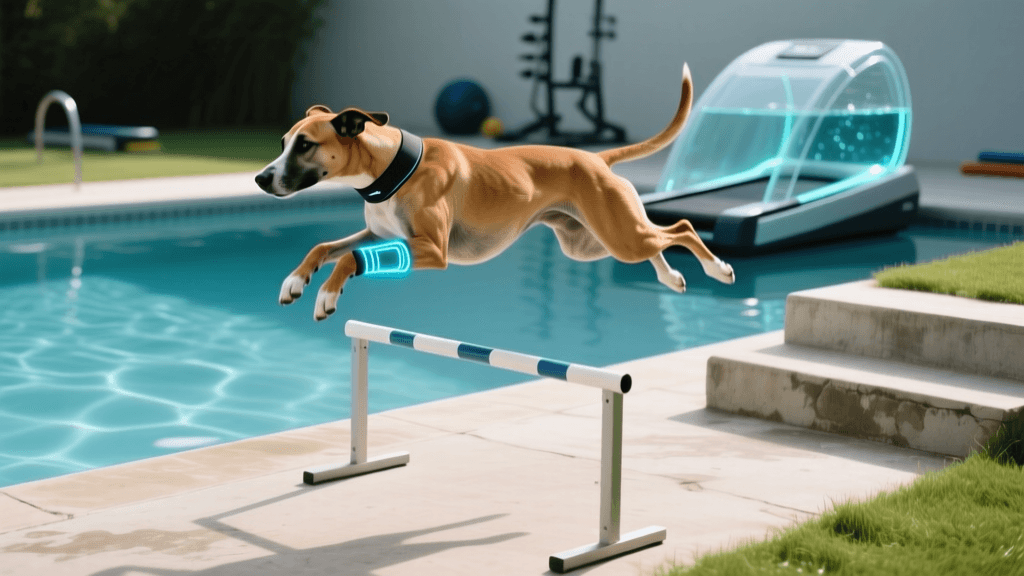
Hydrotherapy has long been a staple in canine rehabilitation, but its application for active sports recovery has become highly refined in 2026. Modern rehabilitation facilities frequently utilize advanced aquatic systems, such as those engineered by HydroWorx, which feature adjustable underwater treadmills integrated with variable resistance jets. The primary benefit of the underwater treadmill is the manipulation of buoyancy. By adjusting the water level, a certified canine rehabilitation therapist can unload anywhere from 10% to 60% of the dog's body weight. This allows the dog to maintain a full, active range of motion in their joints without the concussive impact of gravity and hard ground.
Furthermore, the hydrostatic pressure of the water acts as a natural compression sleeve, helping to push interstitial fluid and lactic acid out of the working muscles and back into the lymphatic and venous systems. The warmth of the water (typically maintained between 88°F and 92°F) also promotes vasodilation, bringing oxygen-rich blood to fatigued tissues. For agility dogs competing in multi-day trials, a 15-minute underwater treadmill session on the evening of day one can significantly reduce delayed onset muscle soreness (DOMS) for day two.
Far-Infrared Compression Wraps: At-Home Innovation
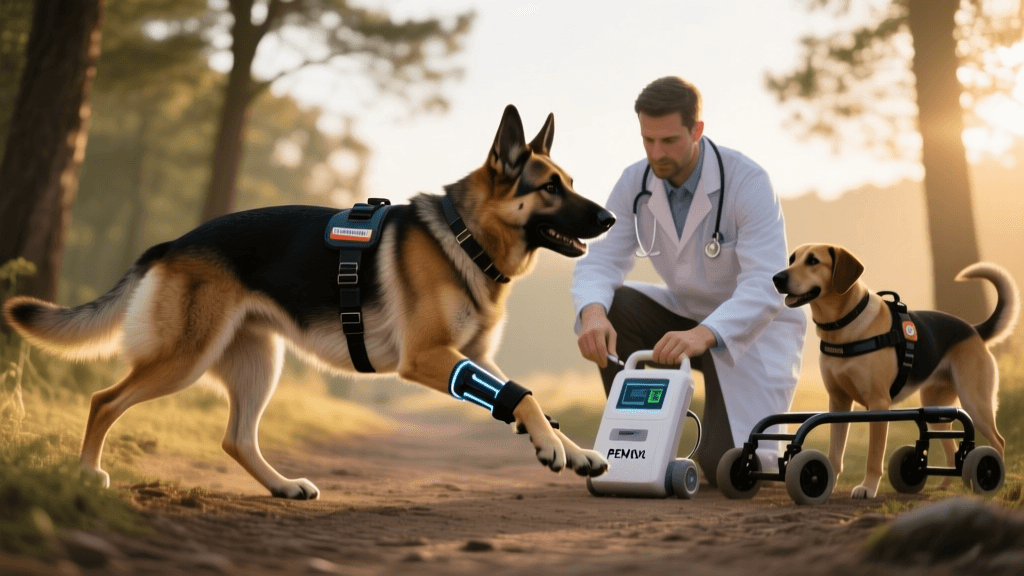
While clinical hydrotherapy is unparalleled for active joint mobilization, it is not always accessible or practical for handlers traveling to remote competition venues. This is where at-home recovery technology has seen massive leaps in 2026. Far-infrared (FIR) therapy and specialized compression wraps have become ubiquitous in the crates of top-tier competitors. Brands utilizing Welltex ceramic fabric technology, such as those found in premium canine recovery lines, work by reflecting the dog's own body heat back into the tissue as far-infrared energy wavelengths.
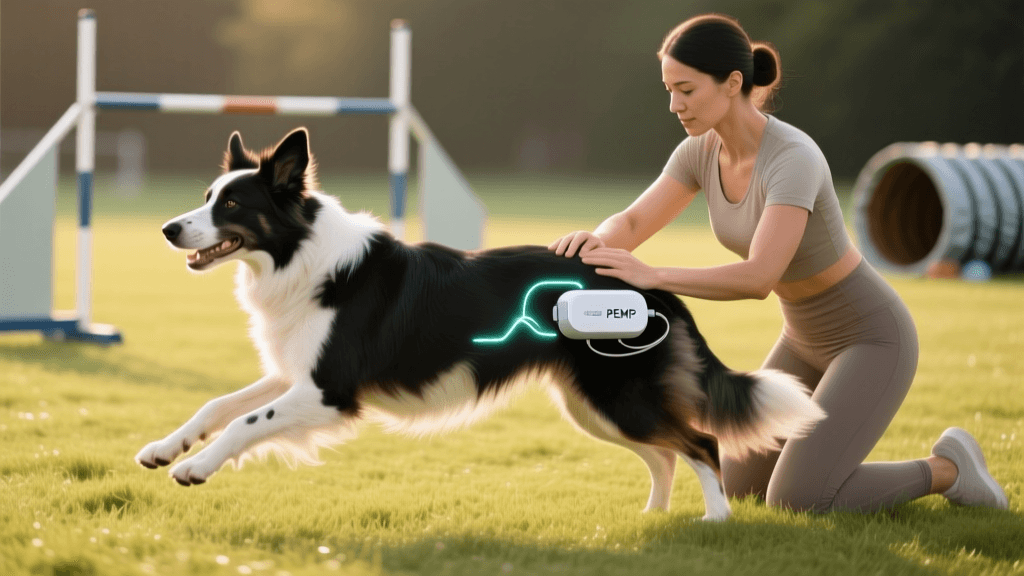
This FIR energy penetrates deep into the muscle belly and joint capsules, stimulating localized blood circulation without the need for external heat sources or electricity. When combined with mild, ergonomic compression, these wraps provide a dual-action recovery effect. The compression offers proprioceptive feedback, which can be soothing for a highly aroused dog post-run, while the FIR technology accelerates the cellular repair process. Wraps are typically applied to the shoulders, lower back, or hindquarters for 2 to 4 hours post-competition, making them an incredibly convenient tool for hotel rooms and RVs at trial sites.
Head-to-Head Comparison: Hydrotherapy vs. Compression Wraps
Choosing between clinical hydrotherapy and at-home compression wraps depends on your budget, location, and your dog's specific physical needs. Below is a structured comparison to help you decide which modality—or combination thereof—belongs in your 2026 sports medicine toolkit.
| Feature | Underwater Treadmill Hydrotherapy | Far-Infrared Compression Wraps |
|---|---|---|
| Primary Benefit | Active joint mobilization with reduced weight-bearing impact | Passive localized blood flow stimulation and muscle relaxation |
| Accessibility | Requires travel to a certified canine rehab clinic | Highly portable; ideal for home, RV, or trial site use |
| Cost (2026 Avg) | $75 - $120 per 30-minute clinical session | $80 - $150 one-time purchase per wrap |
| Best Used For | Multi-day trial recovery, chronic arthritis, post-injury rehab | Daily maintenance, travel recovery, acute muscle fatigue |
| Supervision | Must be administered by a certified veterinary technician | Can be safely applied by the handler after basic training |
Building a 2026 Weekly Recovery Protocol
To maximize your dog's longevity in the sport, recovery must be scheduled with the same rigor as your handling practice. Here is a sample weekly protocol for a competitive agility dog during the peak 2026 season:
- Monday (Active Recovery): 20-minute leash walk on varied terrain (grass, sand) to promote gentle blood flow. Apply far-infrared shoulder and hindquarter wraps for 3 hours in the evening.
- Tuesday (Conditioning): Core strengthening exercises using canine balance discs and cavaletti poles. Focus on proprioception rather than speed.
- Wednesday (Skills Training): Short, high-intensity agility sequences (5-7 minutes max). Follow immediately with a structured cool-down stretch and massage.
- Thursday (Rest & Hydrotherapy): Complete rest from agility equipment. Schedule a 20-minute underwater treadmill session at your local rehabilitation clinic to flush metabolic waste from Wednesday's exertion.
- Friday (Light Warm-up): Flatwork and obstacle discrimination drills. Keep physical impact low.
- Saturday & Sunday (Competition): Trial days. Utilize thorough dynamic warm-ups before each run. Immediately post-run, use a cooling vest if temperatures are high, followed by FIR compression wraps once the dog's core temperature returns to baseline.
Preventive Conditioning Beyond Recovery
Recovery modalities are only effective if the dog possesses the foundational strength to handle the sport's demands in the first place. The American College of Veterinary Sports Medicine and Rehabilitation consistently highlights that a dog with a weak core will inevitably overload their peripheral joints. In 2026, the most successful handlers work closely with canine fitness coaches to build bulwarks of muscle around the hips, shoulders, and spine. Incorporating exercises like the 'tuck sit', 'kickback stand', and lateral weight shifts on unstable surfaces ensures that the dog's muscles, rather than their ligaments, absorb the shock of a 20-inch jump.
When to Consult a Veterinary Sports Medicine Specialist
While compression wraps and hydrotherapy are phenomenal tools, they are not a substitute for professional veterinary diagnosis. If your dog exhibits subtle signs of discomfort—such as a reluctance to load into the car, a slight head bob on hard surfaces, or a degradation in their weave pole entry speed—stop running and consult a board-certified veterinary sports medicine specialist. Early intervention through diagnostic imaging and targeted rehabilitation is the difference between a minor strain and a career-ending tear.
Conclusion
The 2026 canine sports season rewards those who treat their dogs as the elite athletes they are. By strategically combining the clinical, weight-unloading benefits of underwater treadmill hydrotherapy with the portable, circulatory advantages of far-infrared compression wraps, handlers can drastically reduce injury rates and improve performance. Listen to your dog, invest in their recovery, and enjoy a long, vibrant career together on the agility field.
aaron-whyte
All our authors care for dogs every day — read more of their work on the authors page.