Adopting a Senior Dog: Home Prep, Costs, and First Days
Discover the joys and practical steps of adopting a senior dog. Learn about home preparation, expected medical costs, and essential first-day supplies.
Introduction to Senior Dog Adoption
Welcome to the most rewarding section of our 'Getting a Dog' guides. While puppies often steal the spotlight in shelter windows, senior dogs—typically defined as those over the age of seven, though this varies by breed and size—offer a unique, deeply fulfilling companionship. Adopting an older dog means skipping the chaotic puppy phase, including potty training, teething, and boundless, destructive energy. Instead, you are greeted with a calm demeanor, an established personality, and a profound sense of gratitude. However, bringing an aging canine into your home requires specific preparations, a tailored budget, and an understanding of age-related health shifts. This comprehensive guide will walk you through everything you need to know to prepare your home, manage costs, and ensure your senior dog's golden years are truly golden.
The Unique Appeal of Senior Dogs
When you adopt a senior dog, you know exactly what you are getting. Their adult size, coat type, and temperament are fully established, removing the guesswork associated with raising a puppy. Many older dogs in shelters are already house-trained and understand basic commands like 'sit', 'stay', and 'come'. Furthermore, senior dogs generally have lower exercise requirements. A leisurely 20-minute sniffari around the neighborhood is often far more appealing to them than a grueling three-mile run. This makes them exceptional companions for older adults, apartment dwellers, or families with a more relaxed lifestyle.
'Adopting a senior dog is not just about giving them a place to spend their final years; it is about gaining a deeply loyal, calm, and grateful companion who will teach you the true meaning of unconditional love.'
Essential Home Modifications for Aging Joints
Before bringing your new companion home, you must evaluate your living space through the lens of an aging body. Arthritis, hip dysplasia, and general joint stiffness are common in older dogs. Making a few strategic home modifications can drastically improve their quality of life and prevent painful injuries.
Orthopedic Sleeping Arrangements
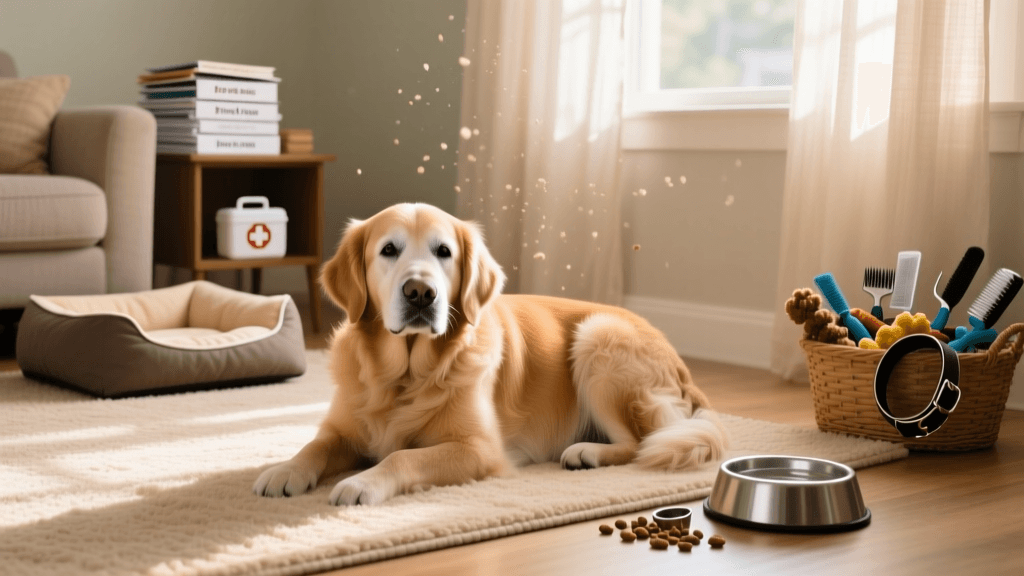
Standard dog beds do not provide adequate support for aging joints. Invest in a high-quality memory foam bed, such as the Furhaven Orthopedic Dog Bed or the Big Barker Pillow Top Orthopedic Dog Bed. These beds distribute weight evenly and prevent pressure sores on the elbows and hips. Place the bed in a draft-free, easily accessible area where the dog can see the family without having to navigate stairs or slippery floors.
Mobility Aids and Traction
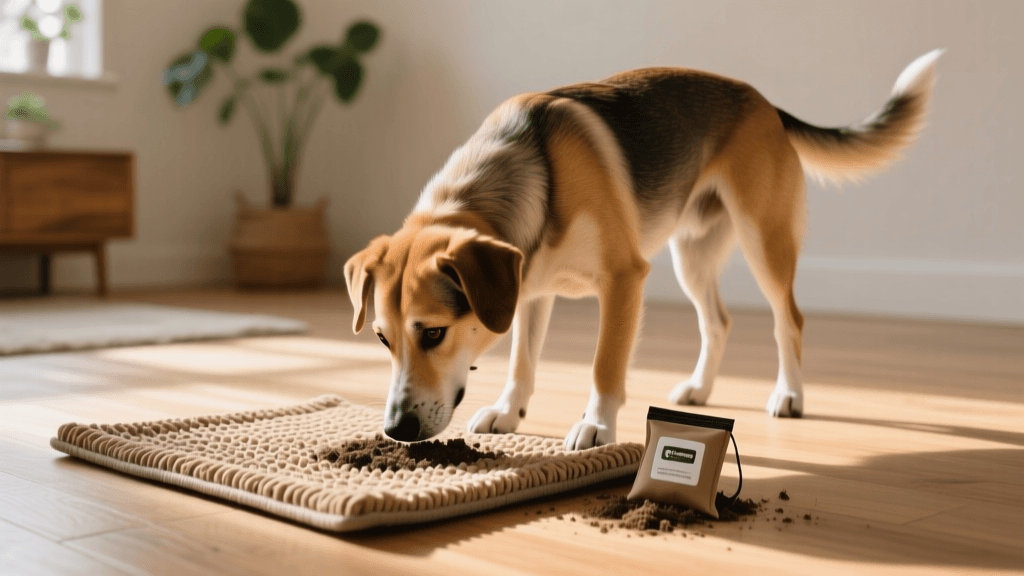
Hardwood and tile floors are notoriously dangerous for senior dogs with weakened hind legs. Lay down non-slip area rugs or use RugPadUSA grip pads in high-traffic areas to provide essential traction. If your dog needs to access a vehicle, a couch, or a bed, do not rely on them to jump. Purchase a ramp, such as the PetSafe Happy Ride Folding Pet Ramp, or a set of sturdy pet stairs to protect their spine and joints from high-impact landings.
Elevated Feeding Stations
Bending down to eat can cause severe neck and back strain for older dogs, particularly large breeds. An elevated feeder, like the PetFusion Elevated Pet Feeder, raises the food and water bowls to chest level, promoting better digestion and reducing joint stress during mealtimes.
Financial Planning: Costs of Senior Dog Adoption
While the initial adoption fee for a senior dog is often lower than that of a puppy, you must be financially prepared for age-related veterinary care. Senior dogs are more prone to dental disease, metabolic issues, and joint degradation. Below is a breakdown of the estimated costs you should anticipate during the first year of adopting an older dog.
| Expense Category | Estimated Initial Cost | Estimated Annual Cost | Notes |
|---|---|---|---|
| Adoption Fee | $50 - $200 | N/A | Often includes initial vetting and vaccines |
| Orthopedic Bed | $60 - $150 | $60 - $150 | Replace if memory foam degrades |
| Joint Supplements | $30 - $60 | $120 - $240 | Glucosamine and Chondroitin blends |
| Senior Blood Panel | $150 - $250 | $150 - $250 | Bi-annual exams highly recommended |
| Dental Cleaning | $300 - $800 | $300 - $800 | If needed under anesthesia |
| Mobility Aids | $40 - $100 | $40 - $100 | Ramps, stairs, and non-slip rugs |
Setting up a dedicated pet emergency fund or enrolling in a senior-friendly pet insurance plan (if the dog has no pre-existing conditions) is highly recommended to mitigate unexpected medical expenses.
Veterinary Care and Preventative Health
Your first order of business after adoption should be scheduling a comprehensive senior wellness exam. According to the American Kennel Club (AKC), dogs are generally considered senior when they reach the last 25% of their expected lifespan, and their veterinary needs shift significantly during this time. Request a complete senior blood panel, which includes a Complete Blood Count (CBC), a chemistry panel, a thyroid check, and a urinalysis. This establishes a baseline and can catch hidden issues like early-stage kidney disease or hypothyroidism.
The American Animal Hospital Association (AAHA) recommends bi-annual veterinary exams for senior pets, as their health status can change much more rapidly than that of a younger dog. Additionally, discuss joint supplements with your vet. Veterinary-recommended brands like Dasuquin Advanced or Cosequin contain ASU, glucosamine, and chondroitin, which help preserve cartilage and reduce joint inflammation.
Nutrition and Dietary Shifts
Senior dogs have different metabolic rates and nutritional requirements. They typically need fewer calories to prevent obesity—which exacerbates joint pain—but higher levels of specific nutrients to support aging organs and brains. As noted by the ASPCA, older dogs often require specialized nutritional profiles tailored to their changing bodies.
- Brain Health: Look for diets enriched with MCTs (Medium Chain Triglycerides) and DHA. Foods like Purina Pro Plan Bright Mind are specifically formulated to support cognitive function and reduce the signs of aging in the brain.
- Joint and Mobility Support: Diets with added Omega-3 fatty acids (EPA and DHA) from fish oil help reduce systemic inflammation. Hill's Science Diet Youthful Vitality is a popular choice for combating aging symptoms.
- Digestibility: Aging digestive systems may struggle with heavy, rich foods. Opt for highly digestible proteins and moderate fiber to maintain healthy bowel movements without causing gastrointestinal upset.
Grooming and Nail Care for Seniors
One often-overlooked aspect of senior dog care is grooming. Because older dogs walk less and are less active, their nails do not wear down naturally on concrete or asphalt. Overgrown nails can alter the way a dog places its paws, leading to severe joint pain and splayed toes. Plan to trim or grind your senior dog's nails every two to three weeks. Additionally, older dogs may develop arthritis in their spine or hips, making it painful for them to reach and groom their hindquarters. Regular brushing with a gentle slicker brush and the use of pet-safe grooming wipes will keep their coat clean and prevent painful matting.
The First 30 Days: Patience, Routine, and CCD
Transitioning into a new home is stressful for any dog, but seniors may take longer to adjust. Utilize the '3-3-3 Rule': give them 3 days to decompress, 3 weeks to learn your routine, and 3 months to truly feel at home. Maintain a strict, predictable schedule for feeding, potty breaks, and short walks to reduce anxiety.
Be vigilant for signs of Canine Cognitive Dysfunction (CCD), the canine equivalent of dementia. Symptoms include disorientation, staring at walls, changes in sleep-wake cycles (pacing at night), and forgetting previously known commands. If you notice these signs, consult your veterinarian immediately, as medications like Anipryl (selegiline) and specialized diets can help manage the symptoms and improve their quality of life.
Conclusion
Adopting a senior dog is a profound act of compassion. While it requires a proactive approach to home modification, veterinary care, and nutrition, the return on your investment is a deeply bonded, gentle companion. By preparing your home and your heart, you are giving a deserving dog the chance to experience love, comfort, and dignity in their twilight years.
tom-renshaw
All our authors care for dogs every day — read more of their work on the authors page.