Rescue Dog Bonding: 3-3-3 Decompression Guide for 2026
Master the 3-3-3 decompression rule to build trust with your newly adopted rescue dog using scent work, snuffle mats, and low-pressure bonding.
Understanding the 3-3-3 Rule of Dog Decompression
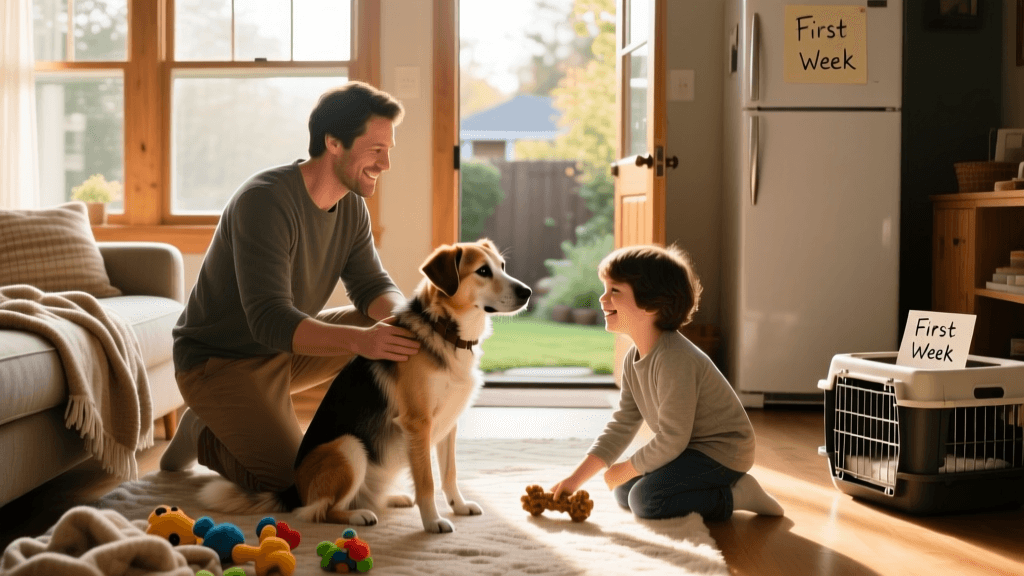
Bringing home a newly adopted rescue dog is one of the most rewarding experiences in a person's life, but it is rarely an instant fairy tale. In 2026, veterinary behaviorists and shelter professionals universally champion the 3-3-3 Rule of decompression as the gold standard for integrating a rescue into your home. This framework acknowledges that a dog needs three days to decompress from the stress of the shelter, three weeks to learn your routine, and three months to truly feel at home and build a secure attachment. Forcing early bonding or over-socializing a newly adopted dog can lead to behavioral fallout, including fear-based reactivity and separation anxiety.
According to the Best Friends Animal Society, giving your new dog a structured, low-pressure environment is the most effective way to build foundational trust. Instead of demanding obedience or affection, the modern approach to rescue dog bonding focuses on passive companionship, scent-based enrichment, and allowing the dog to initiate contact.
Phase 1: The First 3 Days (Overwhelm and Scent Bonding)
The first 72 hours are often characterized by extreme stress, shut-down behavior, or hyper-vigilance. Your dog may refuse to eat, hide in corners, or pace relentlessly. During this phase, your primary bonding goal is to become a source of safety and high-value resources without demanding interaction.
Low-Pressure Bonding with Snuffle Mats and LickiMats
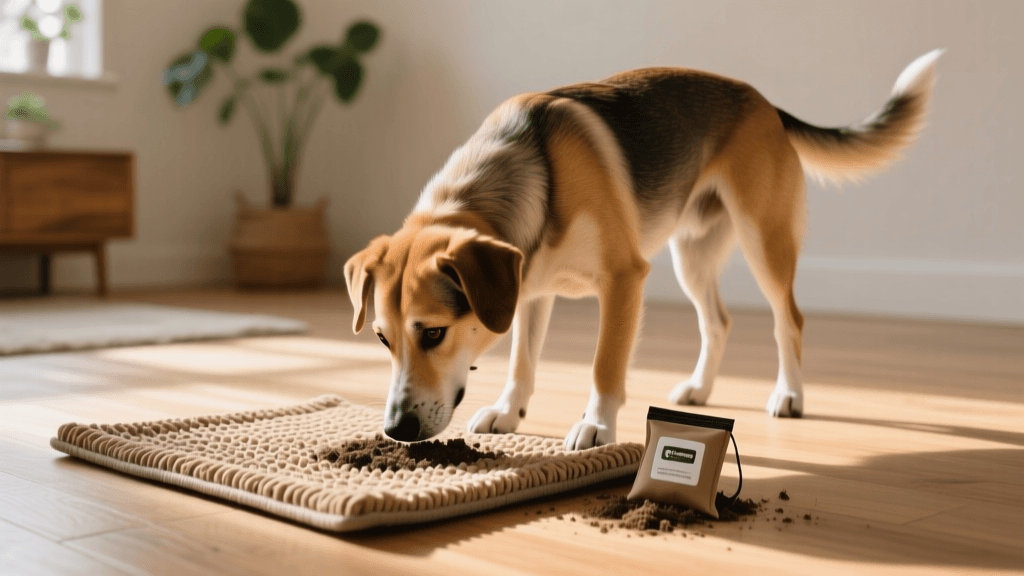
Scent work is naturally calming for dogs, lowering their heart rate and releasing dopamine. Instead of hand-feeding or forcing eye contact, utilize foraging tools to build positive associations with your presence. The Snuffle Mat with Foraging Pockets (typically costing between $25 and $45) allows you to hide dry kibble or freeze-dried liver treats in dense fleece strips. Scatter the food and sit quietly on the floor a few feet away, reading a book or looking at your phone. This teaches the dog that your presence predicts good things without the pressure of direct engagement.
For dogs experiencing severe stress-induced gastrointestinal upset or pacing, the LickiMat Soother Pro ($15-$20) is an essential 2026 decompression tool. Spread plain, xylitol-free Greek yogurt or pureed pumpkin across the textured surface and freeze it for two hours. Licking is a self-soothing behavior that releases endorphins. Offering a frozen LickiMat in the dog's designated safe zone (like an open, wire-free crate) helps them associate their resting area with calmness and relief.
To further support environmental settling, plug an Adaptil Optimum Diffuser ($70-$90) into the wall of the room where your dog will spend the most time. The 2026 formula utilizes a patented complex of dog-appeasing pheromones that mimic the comforting messages a mother dog emits while nursing. While not a substitute for behavioral decompression, it provides a subconscious olfactory blanket that helps mitigate the shock of a new environment.
Phase 2: The First 3 Weeks (Routine and Parallel Walking)
By week two, your dog's true personality will begin to emerge, and testing of boundaries may occur. This is the critical window for establishing a predictable daily routine. Dogs with trauma histories thrive on predictability. Feed, walk, and offer enrichment at the exact same times each day.
The Art of the Decompression Walk
Traditional leash walking for heel or obedience is counterproductive during the decompression phase. Instead, engage in "sniffaris" or decompression walks. Use a 10-foot to 15-foot Biothane long line attached to a well-fitted, Y-front harness (such as the Perfect Fit Harness, approx. $65). Biothane is highly recommended in 2026 for its durability, ease of cleaning, and non-slip grip in wet weather.
Head to quiet, low-traffic areas like empty fields or secluded nature trails. Allow the dog to lead the direction and pace, stopping to sniff for as long as they wish. Your role is simply to manage the leash and act as a secure base. If a stranger or an unfamiliar dog approaches, calmly advocate for your dog by creating distance. The Humane Society of the United States emphasizes that protecting your dog from overwhelming encounters during this phase solidifies their trust in you as their protector and guide.
Parallel walking is another powerful bonding technique for the three-week mark, especially if you have a resident dog. Instead of forcing a face-to-face greeting, which can trigger territorial stress, walk both dogs in the same direction on opposite sides of a wide street or park pathway. Keep the leashes loose and allow the dogs to sniff the ground rather than each other. This shared, low-pressure activity builds pack cohesion and allows your new rescue to observe your calm leadership in a dynamic environment.
Phase 3: The First 3 Months (Deepening Trust and Consent)
As you cross the three-month threshold, your dog should feel secure enough to seek out affection and engage in active training. However, bonding at this stage relies heavily on consent-based interactions.
The 5-Second Petting Consent Test
To ensure your dog actually enjoys physical contact, implement the 5-second rule. Pet the dog gently on the chest or shoulder for five seconds, then stop and withdraw your hand. Observe their reaction. If they lean in, paw at you, or nudge your hand, they are consenting to more affection. If they look away, lick their lips, yawn, or move away, they are asking for space. Respecting these subtle signals is the fastest way to deepen your bond, as it proves to the dog that you listen to their communication.
Capturing Calmness and Choice-Based Training
At the three-month mark, begin "capturing calmness" to reinforce relaxed states of mind. Keep a treat pouch nearby and silently drop a high-value reward near your dog's paws whenever they choose to lie down and settle on their own. This requires no verbal commands and builds a habit of voluntary relaxation. Furthermore, introduce choice-based training games, such as "bucket games," where the dog learns to place their paws on an overturned bucket to initiate handling or grooming. Giving your dog the agency to say "yes" or "no" to handling drastically reduces fear and accelerates the bonding process.
2026 Enrichment Gear Comparison for Anxious Rescues
Selecting the right enrichment tools can drastically accelerate the bonding and decompression process. Below is a comparison of top-tier enrichment gear recommended by canine behaviorists in 2026 for anxious or shut-down rescues.
| Enrichment Tool | Primary Bonding Benefit | Estimated Cost (2026) | Best Use Scenario |
|---|---|---|---|
| Heavyweight Snuffle Mat | Builds positive association via scent; lowers heart rate | $25 - $45 | First 3 days; meal replacement in safe zone |
| LickiMat Soother Pro | Endorphin release via licking; soothes GI stress | $15 - $20 | Post-vet visits; thunderstorms; crate settling |
| 15ft Biothane Long Line | Grants autonomy on walks; builds handler trust | $35 - $55 | Decompression walks in open, safe fields |
| Adaptil Optimum Diffuser | Synthetic pheromones signal environmental safety | $70 - $90 | Bedroom or main living area during first month |
Common Bonding Mistakes to Avoid in 2026
- The "Flood" Approach: Inviting friends and family over immediately to "meet the new dog." This overwhelms the dog's nervous system and can trigger defensive aggression or extreme fear. Keep your circle incredibly small for the first month.
- Forcing Affection: Hugging, kissing, or looming over a rescue dog's face are primate behaviors that canines often find threatening. Always let the dog approach you, and keep initial interactions at floor level or seated.
- Skipping the Vet Check: Hidden medical issues like dental pain, ear infections, or orthopedic discomfort can make a dog seem aloof or reactive. Schedule a comprehensive veterinary exam within the first week, but use high-value treats and fear-free handling techniques to prevent veterinary trauma.
"Trust is not demanded; it is earned through consistent, predictable, and respectful interactions. When we prioritize a dog's need for space and autonomy, they reward us with a loyalty that is unbreakable." — 2026 Consensus Statement on Canine Behavioral Welfare
Conclusion
Bonding with a rescue dog is a marathon, not a sprint. By honoring the 3-3-3 decompression timeline, utilizing scent-based enrichment like snuffle mats, and advocating for your dog's emotional boundaries, you lay the groundwork for a profoundly deep, lifelong relationship. Give them the grace of time, and your rescue will blossom into your most devoted companion.
robin-maitland
All our authors care for dogs every day — read more of their work on the authors page.