Adopting a Senior Dog: First-Day Essentials and Prep Guide
Discover how to prepare your home for a senior dog. Learn essential first-day tips, orthopedic bed recommendations, and senior adoption costs.
The Unique Appeal of Adopting a Senior Dog
When exploring the 'Getting a Dog' category, many prospective pet parents are drawn to the boundless energy of puppies or the trained reliability of adult dogs. However, adopting a senior dog—typically defined as a canine aged seven years or older, though this varies by breed size—offers a profoundly rewarding experience that is often overlooked. Senior dogs provide immediate companionship, usually possess foundational house-training, and have fully developed personalities, eliminating the guesswork of puppyhood. According to The Grey Muzzle Organization, senior dogs are disproportionately at risk in shelters, making the decision to adopt an older pet a life-saving choice. This life stage care guide will walk you through the specific preparations, first-day essentials, and environmental modifications required to ensure your new senior companion transitions smoothly into their forever home.
Preparing Your Home for an Aging Canine
Bringing a senior dog home requires a different approach to home preparation than bringing home a younger dog. Aging canines often deal with osteoarthritis, diminished sensory perception, and decreased stamina. Proactively modifying your living space will prevent injuries and reduce anxiety on their first day.
Mobility and Accessibility Modifications
Joint pain and muscle atrophy are common in older dogs. To protect their joints, you must minimize the need for jumping or navigating steep stairs. If your dog will be allowed on furniture, invest in a pet ramp with a gentle incline. The PetSafe Happy Ride Folding Pet Ramp is an excellent choice; ensure the ramp's incline ratio does not exceed 1:3 (one inch of rise for every three inches of length) to prevent joint strain. For hardwood or tile floors, lay down interlocking foam mats or secure non-slip area rugs using rug tape. Slipping can cause catastrophic injuries like cruciate ligament tears in senior dogs. Additionally, elevate their food and water bowls by 4 to 6 inches to reduce neck strain during meals.
Accommodating Sensory Decline
Many senior dogs experience some degree of vision or hearing loss. To help a visually impaired dog navigate your home, use scent markers. A drop of dog-safe essential oil (like lavender) on the corners of walls or furniture can help them map their environment. For dogs with hearing loss, rely on visual cues and hand signals rather than verbal commands. If your new pet exhibits signs of Canine Cognitive Dysfunction (CCD), similar to dementia in humans, maintaining a strict, unchanging layout for their bed, bowls, and potty area is critical. According to the ASPCA's Senior Dog Care guidelines, keeping a consistent environment helps mitigate confusion and nighttime pacing.
First-Day Essentials for Senior Dogs
Before bringing your new companion home, ensure you have the right gear tailored to their life stage. Below is a structured breakdown of essential items, their specific purposes, and estimated costs to help you budget for your senior dog's arrival.
| Essential Item | Specific Recommendation & Purpose | Estimated Cost |
|---|---|---|
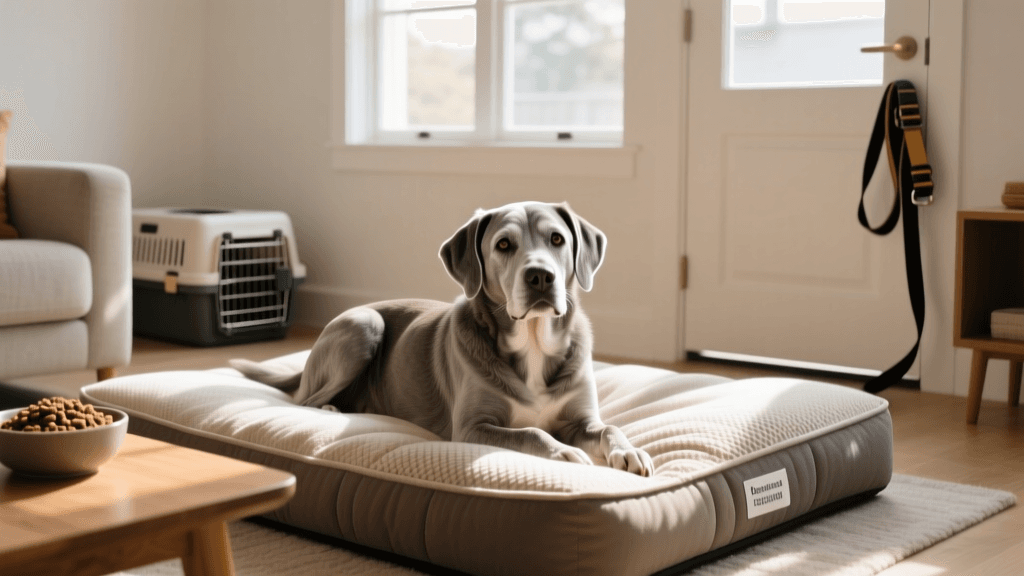
| Orthopedic Bed | Big Barker 7-inch Orthopedic Bed. Provides therapeutic joint support and prevents pressure sores on bony prominences. | $239 - $339 |
| Joint Supplement | Dasuquin Advanced or Cosequin. Contains glucosamine, chondroitin, and ASU to support cartilage and joint mobility. | $45 - $70 |
| Senior Diet | Hill's Science Diet Senior or Royal Canin Aging. Formulated with adjusted protein, phosphorus, and added omega fatty acids. | $60 - $85 |
| Pet Ramp/Stairs | PetSafe Happy Ride Folding Ramp. Lightweight, high-traction surface for safe furniture access without jumping. | $70 - $110 |
| Orthopedic Harness | Ruffwear Web Master Harness. Features a sturdy top handle to assist your dog up stairs or into vehicles safely. | $85 - $95 |
| Nightlights | LED plug-in nightlights. Placed in hallways and near the potty door to aid dogs with night blindness or cataracts. | $15 - $25 |
The First 24 Hours: A Senior Dog Timeline
The first day is about decompression. Senior dogs can become easily overwhelmed by new stimuli, which may exacerbate underlying health conditions or trigger stress-induced colitis. Follow this timeline to ensure a calm transition.
- Hour 1: The Quiet Arrival. Bring your dog directly to their designated 'safe room'—a quiet bedroom or gated area with their orthopedic bed, water, and a familiar-smelling blanket. Do not invite friends or family over to meet them. Allow them to sniff and settle at their own pace.
- Hour 2: The First Potty Break. Leash your dog and walk them to the exact spot in the yard where you want them to eliminate. Senior dogs may have weakened bladder sphincters, so praise them heavily for outdoor elimination. Plan for potty breaks every 4 to 6 hours, including one overnight set-back.
- Hour 4: A Light Meal. Offer a small portion (about one-third of their normal meal) of a bland diet, such as boiled chicken and white rice, or a small amount of their new senior kibble soaked in warm water. This prevents gastrointestinal upset during the stress of transition.
- Hour 8: Gentle Exploration. Allow the dog to explore the rest of the house on a leash or under close supervision. Keep the environment quiet; turn off loud televisions and avoid sudden movements.
- Hour 12: Bedtime Routine. Senior dogs thrive on predictability. Take them out for a final potty break, offer a small, easily digestible treat like a Kong Senior stuffed with plain pumpkin puree, and guide them to their orthopedic bed. Turn on the LED nightlights to help them navigate if they need to wake up.
Veterinary Care and Initial Health Screening
Within the first week of adoption, scheduling a comprehensive senior wellness exam is non-negotiable. The American Animal Hospital Association (AAHA) recommends that senior dogs undergo veterinary evaluations at least twice a year. During this initial visit, request a comprehensive senior blood panel, including a complete blood count (CBC), chemistry panel, thyroid check, and urinalysis. These tests establish a baseline for their organ function and can detect hidden issues like early-stage kidney disease or hypothyroidism.
Additionally, discuss a dental assessment with your veterinarian. Many senior dogs suffer from advanced periodontal disease, which can cause chronic pain and introduce bacteria into the bloodstream, affecting the heart and kidneys. If your dog requires dental work, your vet will use the baseline bloodwork to ensure they are a safe candidate for anesthesia. In the meantime, avoid hard bones or rigid chew toys that could fracture aging teeth; opt for softer alternatives like rubber dental toys or approved edible chews.
Nutrition and Dietary Transitions
Transitioning your senior dog to a new diet must be done gradually over 7 to 10 days to avoid digestive distress. Start by mixing 25% of the new senior-formula food with 75% of their shelter or foster food. Senior diets are specifically engineered to support aging bodies; they typically contain highly digestible proteins to maintain muscle mass without overworking the kidneys, reduced caloric density to combat age-related weight gain, and added antioxidants like Vitamin E and beta-carotene to support cognitive and immune health.
'Adopting a senior dog is not about giving them a place to spend their final years; it is about giving them the best years of their life. The bond you form with an older dog is immediate, deep, and profoundly grateful.' — Senior Dog Rescue Advocate
Final Thoughts on Senior Dog Adoption
Choosing to adopt a senior dog is a beautiful commitment that requires thoughtful preparation, specialized gear, and a compassionate understanding of the aging process. By modifying your home for accessibility, investing in orthopedic support, and establishing a calm, predictable first-day routine, you set the stage for a seamless transition. While they may not be able to run a marathon with you, the quiet companionship, unwavering loyalty, and gentle love a senior dog provides make every bit of preparation entirely worthwhile. Welcome your new best friend home, and enjoy the golden years together.
hannah-wickes
All our authors care for dogs every day — read more of their work on the authors page.