Adopting a Retired Racing Greyhound: The Ultimate Guide
Discover everything about adopting a retired racing Greyhound, from home prep and costs to training tips and essential gear for your new gentle giant.
The Reality of the '45-MPH Couch Potato'
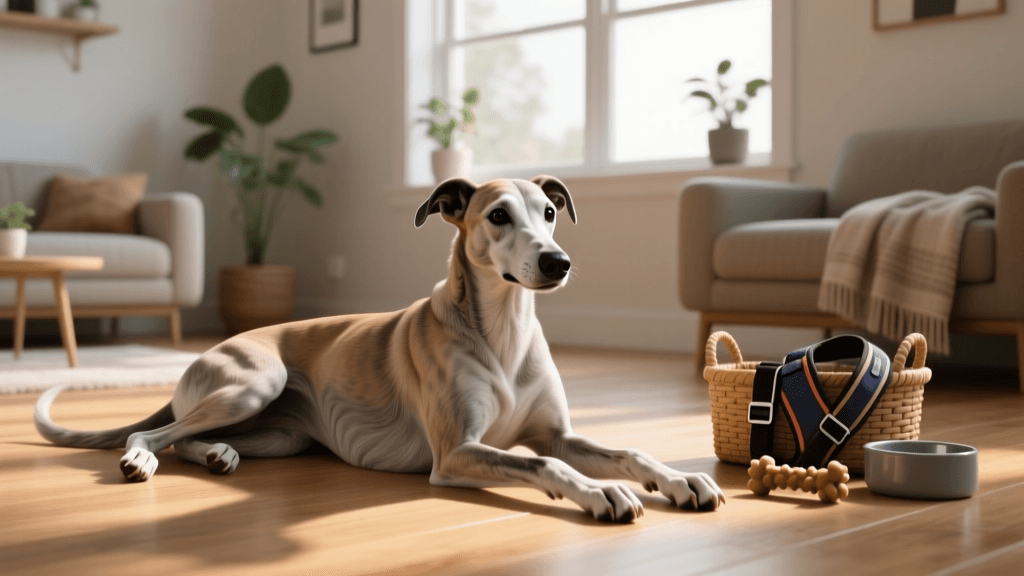
When most people think of Greyhounds, they picture explosive speed, racing tracks, and high-energy athletes. However, within the rescue and adoption community, retired racing Greyhounds are famously known as '45-MPH couch potatoes.' While they are indeed capable of reaching breathtaking speeds in short bursts, their baseline energy level in a home environment is remarkably low. According to the American Kennel Club (AKC), Greyhounds are generally quiet, gentle, and highly adaptable dogs that are perfectly content sleeping up to 18 hours a day on a soft bed.
Adopting a retired racer is a profoundly rewarding experience, but it comes with a unique set of challenges. These dogs are transitioning from a highly structured, kennel-based racing environment to the unpredictable world of a modern household. They have likely never encountered stairs, slippery hardwood floors, glass doors, or even the concept of playing with toys. This deep dive will equip you with the actionable knowledge, specific gear recommendations, and timelines needed to successfully welcome a retired Greyhound into your home.
Preparing Your Home for a Sighthound
Greyhounds are sighthounds, meaning they rely heavily on their vision to navigate and hunt. Their physical build—deep chests, long legs, and very low body fat—also dictates how they interact with their physical environment. Before your new dog arrives, you must 'Greyhound-proof' your home.
Navigating Stairs and Slippery Floors
Most track dogs have spent their entire lives on dirt, turf, or concrete kennel runs. Slippery surfaces like polished hardwood, tile, or laminate are terrifying and physically dangerous for them. A Greyhound's paws are not designed for traction on smooth surfaces, and a slip can easily result in a torn ACL or a broken toe.
- Actionable Fix: Lay down inexpensive, non-slip area rugs or interlocking foam mats along all primary walking paths in your home.
- Stair Training: Many retired racers have never seen a staircase. Do not force them. Use a secure, well-fitted harness and a high-value treat lure. Start with just one or two steps, praising heavily. For steep or open-backed stairs, consider installing a temporary pet ramp or carrying them (if your physical strength permits, as they can weigh up to 85 pounds) until they build confidence.
The Glass Door Hazard
Because Greyhounds rely on their sight and are accustomed to open doorways, they often do not understand the concept of glass. A Greyhound running toward a closed sliding glass door can cause severe facial trauma or neck injuries.
- Actionable Fix: Apply opaque decals, strips of painter's tape, or static-cling window film at the dog's eye level (approximately 24 to 36 inches from the floor) on all glass doors and large ground-floor windows.
Essential Gear Checklist for Greyhounds
Standard dog gear often does not work for the unique anatomy of a Greyhound. Their necks are frequently wider than their heads, and their lack of body fat makes them highly sensitive to temperature changes. Here is the exact gear you need to purchase before adoption day:
- Martingale Collar: A standard buckle collar will slip right off a Greyhound's head if they pull backward. You need a martingale collar, which tightens slightly under tension to prevent escape. Measurement: Measure the widest part of the neck (usually 14 to 18 inches) and add two inches. Look for a 1.5-inch to 2-inch width to distribute pressure safely.
- Plastic Basket Muzzle: Due to their high prey drive, a muzzle is essential for the first few weeks when introducing them to cats, small dogs, or toddlers. Avoid fabric grooming muzzles, which restrict panting. Opt for a vinyl or plastic basket muzzle specifically molded for sighthounds (e.g., the Baskerville Ultra or Greyhound-specific vinyl muzzles from rescue suppliers).
- Fleece and Waterproof Coats: Greyhounds have less than 1% body fat and a single, short coat. They will shiver in temperatures below 60°F (15°C). You will need a snug-fitting fleece coat for indoor lounging and cool mornings, and a waterproof, insulated coat for winter walks. Brands like 'Greyhound Fleece' or 'Hurtta' offer sighthound-specific cuts that accommodate their deep chests.
- Orthopedic Bedding: Without natural fat padding, Greyhounds are prone to painful pressure sores (calluses) on their elbows and hocks when sleeping on hard floors. Provide a thick, orthopedic mattress or a folded king-size duvet in every room they frequent.
- 42-Inch to 48-Inch Crate: Even if you do not plan to crate-train long-term, a large wire crate provides a 'safe den' that mimics their racing kennel, helping them decompress during the overwhelming first few weeks.
Financial Breakdown: First-Year Costs
Adopting a retired racer is generally more affordable than buying a puppy, but you must budget for their specific medical and gear needs. The ASPCA notes that large breed dogs carry higher annual maintenance costs, particularly regarding food and joint care. Below is a realistic estimate of your first-year expenses.
| Expense Category | Estimated Cost (USD) | Notes |
|---|---|---|
| Adoption Fee | $300 - $500 | Usually includes spay/neuter, microchip, and basic vetting. |
| Specialized Gear | $200 - $350 | Martingale collar, muzzle, sighthound coats, orthopedic bed. |
| High-Quality Food | $600 - $900 | Large breeds eat 4-5 cups daily; factor in joint supplements. |
| Annual Vet & Preventatives | $800 - $1,200 | Heartworm, flea/tick, vaccines, and a mandatory dental cleaning. |
| Emergency Fund | $500 - $1,000 | Crucial for large breeds prone to bloat or orthopedic issues. |
The First 30 Days: A Transition Timeline
The transition from the track to the couch requires immense patience. Rescue experts widely recommend the '3-3-3 Rule' for dog adoption: 3 days to decompress, 3 weeks to learn a routine, and 3 months to truly feel at home.
Days 1-3: The Decompression Phase
Your Greyhound will likely be overwhelmed, exhausted, and confused. They may sleep constantly, refuse to eat, or stare blankly at walls. Keep the environment incredibly quiet. Limit visitors, avoid loud noises, and stick to short, 10-minute leash walks in a quiet area just for potty breaks. Many track dogs are kennel-trained, so keeping them in their crate with a chew toy when you cannot directly supervise them will prevent anxiety-induced destruction.
Weeks 1-2: Routine and Potty Training
Greyhounds are accustomed to being turned out on a schedule. Establish a rigid potty routine: outside immediately upon waking, after meals, and before bed. Because they are used to eliminating on gravel or dirt, they may not immediately understand that grass is an acceptable potty area. Use high-value treats and enthusiastic praise the moment they eliminate outside to bridge this gap.
Weeks 3-4: Expanding the World and Prey Drive Testing
Once your dog is settled, you can begin testing their prey drive and introducing them to new environments. Crucial Rule: A retired Greyhound must never be off-leash in an unfenced area. Their instinct to chase a fleeing squirrel or rabbit overrides years of training, and they can reach 45 MPH in just three strides. They will not hear you calling them back, and they can easily run miles away and become lost. Only allow off-leash time in fully fenced, secure areas.
Health Considerations Unique to Greyhounds
Greyhounds are generally robust and long-lived, often reaching 12 to 14 years. However, their unique physiology requires specialized veterinary knowledge. The Greyhound Project emphasizes that not all veterinarians are familiar with sighthound-specific medical protocols.
Anesthesia Sensitivity
Due to their low body fat and unique liver enzyme metabolism, Greyhounds process certain anesthetic drugs (specifically barbiturates) much slower than other breeds, which can lead to prolonged recovery times or fatal complications. You must ensure your veterinarian uses modern, sighthound-safe anesthesia protocols, such as Propofol or Sevoflurane. Always verify your vet's experience with sighthounds before scheduling any procedure, including routine dental cleanings.
Gastric Dilatation-Volvulus (Bloat)
Like many deep-chested breeds, Greyhounds are at a higher risk for bloat, a life-threatening condition where the stomach fills with gas and twists. To mitigate this risk, feed your Greyhound two to three smaller meals a day rather than one large meal. Avoid vigorous exercise or running for at least one hour before and after eating. Familiarize yourself with the signs of bloat (unproductive retching, swollen abdomen, restlessness) and know the route to your nearest 24-hour emergency veterinary clinic.
Dental Disease
Racing Greyhounds are often fed soft, high-calorie diets at the track, leading to severe tartar buildup and early-onset periodontal disease. Expect to schedule a professional veterinary dental cleaning under anesthesia within the first six months of adoption to prevent tooth loss and systemic infections.
Conclusion
Bringing a retired racing Greyhound into your home is a journey of mutual discovery. By preparing your environment, investing in sighthound-specific gear, and understanding their unique medical and behavioral needs, you are setting the stage for a beautiful bond. In return for your patience, you will gain an incredibly affectionate, gentle, and deeply loyal companion who will gladly share your couch—and your heart—for years to come.
tom-renshaw
All our authors care for dogs every day — read more of their work on the authors page.