Adopting a Dog With Osteoarthritis: 2026 Home Prep & Treatment
Discover how to prepare your home and manage treatment when adopting a dog with osteoarthritis in 2026. Expert tips on mobility, meds, and comfort.
The Rewarding Choice of Special-Needs Adoption in 2026
Choosing to adopt a senior dog or a rescue with mobility challenges is one of the most profoundly rewarding decisions a prospective pet parent can make. As of 2026, animal shelters and breed-specific rescues are seeing an influx of older dogs and breeds predisposed to joint issues, such as German Shepherds, Labrador Retrievers, and Golden Retrievers. Many of these wonderful animals are living with canine osteoarthritis (OA), a degenerative joint disease that causes inflammation, cartilage loss, and chronic pain. However, bringing home a dog with OA requires a strategic approach to home preparation and a solid understanding of modern veterinary pain management.
According to the American Kennel Club, osteoarthritis affects a significant percentage of senior dogs, but with the right environmental modifications and 2026 veterinary protocols, these dogs can enjoy a high quality of life. If you are in the process of getting a dog with diagnosed or suspected OA, this comprehensive guide will walk you through the essential questions to ask, the latest medical treatments, and the critical home modifications you must complete before arrival day.
What to Ask the Shelter or Rescue Before Adopting
Before finalizing your adoption paperwork, gather as much medical history as possible. This information will dictate your immediate budget and home setup requirements.
- What is the specific diagnosis? Ask if the dog has been formally diagnosed with OA via X-rays, or if the shelter staff is simply noting "stiffness" or "limping."
- What is their current pain management protocol? Find out if the rescue has already started the dog on NSAIDs, joint supplements, or monoclonal antibody injections.
- What are their mobility limitations? Can the dog navigate stairs? Do they struggle to stand up from a lying position? Do they slip on hard surfaces?
- Are there secondary conditions? Dogs with OA often compensate for joint pain, which can lead to muscle atrophy or spinal issues. Knowing this helps you prepare for potential physical therapy needs.
2026 Gold-Standard Veterinary Treatments for Canine OA
Veterinary medicine has advanced remarkably, and the 2026 standard of care for canine osteoarthritis goes far beyond basic painkillers. When you take your newly adopted dog for their first post-adoption veterinary exam, discuss these modern treatment avenues.
Monoclonal Antibodies (Anti-NGF Therapy)
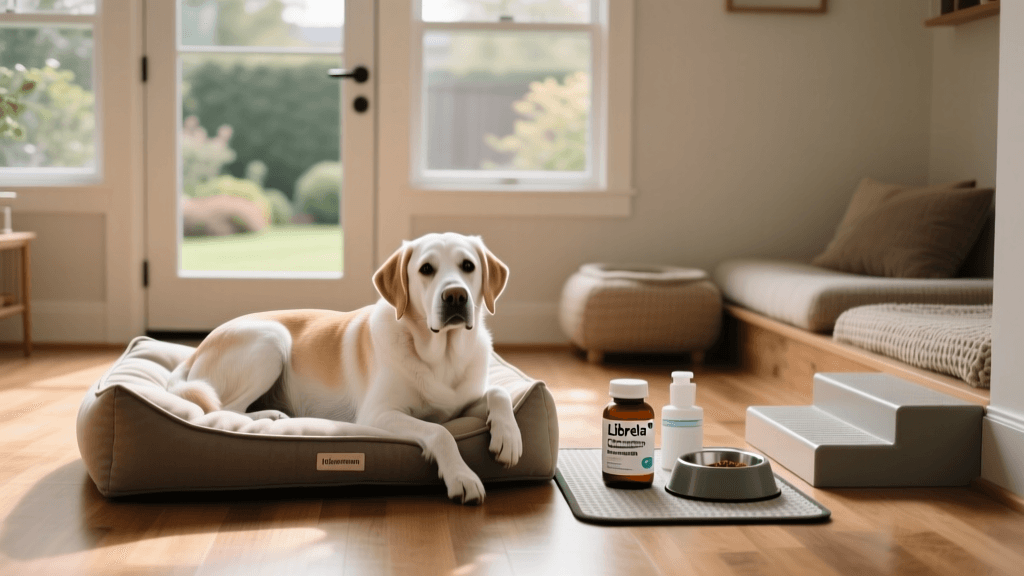
The most significant breakthrough in recent years that remains the gold standard in 2026 is the use of monoclonal antibodies targeting Nerve Growth Factor (NGF). Medications like Librela (bedinvetmab) are administered as a monthly subcutaneous injection. By neutralizing NGF, these treatments effectively block pain signals from reaching the brain without the systemic side effects associated with traditional daily NSAIDs. Most dog owners report a dramatic improvement in their pet's mobility and enthusiasm within the first two weeks of starting Librela.
Advanced NSAIDs and Oral Medications
For dogs that require daily oral medication, Galliprant (grapiprant) remains a top-tier choice in 2026. Unlike older, non-specific NSAIDs that can impact the liver or kidneys over time, Galliprant specifically targets the EP4 receptor, which is the primary mediator of OA pain and inflammation in dogs. This makes it a safer option for long-term, daily use in senior dogs with compromised organ function.
Disease-Modifying Osteoarthritis Drugs (DMOADs)
Injectable treatments like Adequan (polysulfated glycosaminoglycan) are frequently recommended by the American College of Veterinary Surgeons to help inhibit cartilage degradation and stimulate the production of joint fluid. This is typically given as a series of intramuscular injections over several weeks and is an excellent proactive measure for newly adopted dogs showing early signs of joint deterioration.
Nutraceuticals and Omega-3 Fatty Acids
Do not underestimate the power of clinical-grade supplements. In 2026, veterinary nutritionists heavily recommend high-EPA/DHA fish oils and Undenatured Type II Collagen (UC-II) to reduce systemic inflammation. Look for supplements that carry the National Animal Supplement Council (NASC) seal to ensure quality and accurate ingredient labeling.
Essential Home Modifications Before Arrival Day
Preparing your home for a dog with OA is just as critical as the medical treatment plan. Your goal is to minimize joint strain, prevent falls, and provide orthopedic support. According to the ASPCA's senior dog care guidelines, environmental adjustments are vital for maintaining a senior or mobility-impaired dog's independence and confidence.
Traction and Flooring Modifications
Slippery hardwood, tile, or laminate floors are the enemy of a dog with osteoarthritis. A single slip can exacerbate joint damage or cause a catastrophic ligament tear. Before bringing your dog home, cover high-traffic areas and pathways with non-slip area rugs or interlocking foam mats. For a more permanent and aesthetic solution, many 2026 pet owners are utilizing Pawfriction—a safe, non-toxic traction coating applied directly to the dog's paw pads, or investing in reusable, grip-enhanced dog socks.
Orthopedic Sleep Solutions
Standard dog beds do not provide the necessary support for arthritic joints. You must invest in a high-quality, human-grade memory foam orthopedic bed. Brands like Big Barker or Furhaven's therapeutic lines are engineered to prevent the foam from flattening out over time, ensuring that your dog's elbows, hips, and shoulders do not press against the hard floor. Place the bed in a draft-free, easily accessible corner where your dog can rest without feeling isolated from the family.
Mobility Aids, Ramps, and Harnesses
Jumping onto couches, into cars, or onto beds puts immense concussive force on arthritic joints. Equip your home with sturdy, wide-base pet ramps or pet stairs covered in high-traction material. Furthermore, invest in a full-body lifting harness, such as the Help 'Em Up Harness. This revolutionary 2026 staple allows you to safely support your dog's hindquarters or front shoulders when navigating stairs, standing up from a nap, or getting into the vehicle, completely eliminating the need to awkwardly lift them by their torso.
Elevated Feeding Stations
Bending down to floor level puts unnecessary strain on the neck, shoulders, and front limbs. Purchase an elevated feeding station that positions your dog's food and water bowls at chest height. This simple adjustment promotes better posture and makes mealtime significantly more comfortable.
2026 Financial Planning: OA Adoption Prep & Care Cost Breakdown
Adopting a dog with special medical needs requires a realistic budget. Below is a structured breakdown of the estimated 2026 costs associated with preparing your home and maintaining an OA treatment plan.
| Item / Treatment | Estimated 2026 Cost | Frequency / Notes |
|---|---|---|
| Orthopedic Memory Foam Bed (Large) | $180 - $350 | One-time purchase (replace every 3-5 years) |
| Help 'Em Up Lifting Harness | $130 - $160 | One-time purchase |
| Pet Ramps / Non-Slip Stairs | $60 - $150 per unit | One-time purchase (need 1-2 for home/car) |
| Librela (Monoclonal Antibody Injection) | $80 - $150 per dose | Monthly (Weight-dependent pricing) |
| Galliprant (Oral NSAID) | $90 - $200 per month | Daily (Weight-dependent pricing) |
| Clinical Joint Supplements (UC-II / Omega-3) | $40 - $80 per month | Daily administration |
| Initial Post-Adoption Vet Exam & X-Rays | $250 - $500 | One-time (First week of adoption) |
The First 30 Days: Decompression and Physical Therapy
When you first bring your OA dog home, remember the "3-3-3 Rule" of rescue adoption: three days to decompress, three weeks to learn your routine, and three months to feel completely settled. For a dog with chronic pain, this decompression period is even more critical. Limit forced exercise and allow them to explore their new, traction-friendly environment at their own pace.
During the first month, establish a relationship with a veterinary rehabilitation specialist. Canine physical therapy, including underwater treadmill sessions and Class IV cold laser therapy, are highly effective in 2026 for building the compensatory muscle mass that arthritic dogs often lose. Hydrotherapy provides resistance training without the concussive impact of gravity, helping to stabilize the joints and reduce pain.
Adopting a dog with osteoarthritis is not a burden; it is an opportunity to provide a profound level of comfort and love to an animal that has likely spent years enduring silent discomfort. By leveraging the advanced veterinary treatments available in 2026 and thoughtfully modifying your living space, you are giving your new companion the gift of pain-free movement and a joyous, active second chapter in life.
robin-maitland
All our authors care for dogs every day — read more of their work on the authors page.