The Ultimate Guide to Adopting a Retired Racing Greyhound
Discover everything you need to know before adopting a retired racing Greyhound, from essential gear and costs to home prep and training tips.
Welcome to the World of Sighthounds
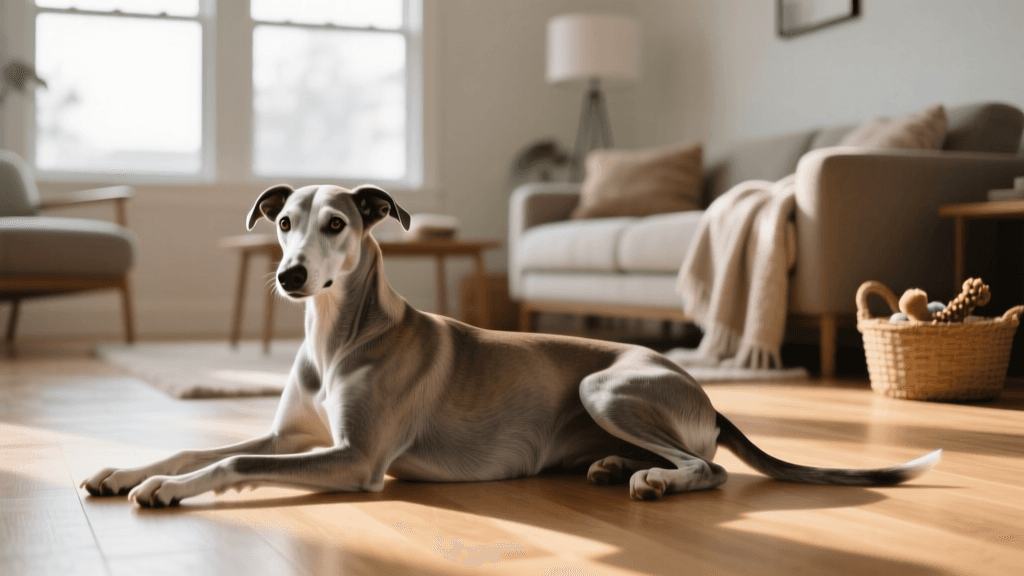
Adopting a dog is a monumental decision, but choosing to bring a retired racing Greyhound into your home is a uniquely rewarding experience. Often described by enthusiasts as '45 MPH couch potatoes,' these gentle, athletic dogs transition remarkably well from the track to the living room rug. However, their unique physiology, sighthound instincts, and racing backgrounds require specific preparations that standard dog adoption guides simply do not cover. Whether you are adopting through a dedicated rescue or a breed-specific placement program, this deep dive will equip you with the actionable advice, gear recommendations, and environmental adjustments necessary to ensure a smooth transition for your new companion.
The Sighthound Temperament: Gentle, Quiet, and Surprisingly Lazy
According to the American Kennel Club (AKC), Greyhounds are renowned for their sweet, mild-mannered disposition. Unlike high-drive working breeds that require hours of rigorous daily labor, adult retired Greyhounds are typically sprinters, not marathon runners. A 20-minute brisk walk in the morning and another in the evening is usually sufficient to keep them physically satisfied. The rest of the day, they prefer to sleep—often up to 18 hours a day—curled up on a soft surface. They are notoriously quiet dogs, rarely barking without a profound reason, making them excellent neighbors in apartments or dense suburban housing. However, their deep-seated prey drive and sensitivity to cold weather mean that their care routine differs vastly from that of a Labrador or a Golden Retriever.
Breed-Specific Gear: Beyond the Standard Pet Store Aisle
You cannot simply walk into a big-box pet store and buy standard equipment for a Greyhound. Their aerodynamic build, featuring a neck that is often wider than their head, deep chest, and low body fat, requires specialized gear for safety and comfort.
Martingale Collars
Standard buckle collars will slip right off a Greyhound's head if they pull backward. You must invest in a Martingale collar, which tightens slightly under tension to prevent escape without choking the dog. Look for collars that are 1.5 to 2 inches wide to distribute pressure across their delicate necks. Brands like 'Houndstooth' or 'Salukis & More' offer excellent sighthound-specific sizing.
Sighthound Harnesses
For walks, a standard back-clip harness can chafe their thin skin and armpits. Opt for a sighthound-specific fleece-lined harness or a supportive multi-point harness like the 'Ruffwear Web Master'. These provide a secure handle to help lift your dog over obstacles or into vehicles without damaging their joints.
Winter Coats and Pajamas
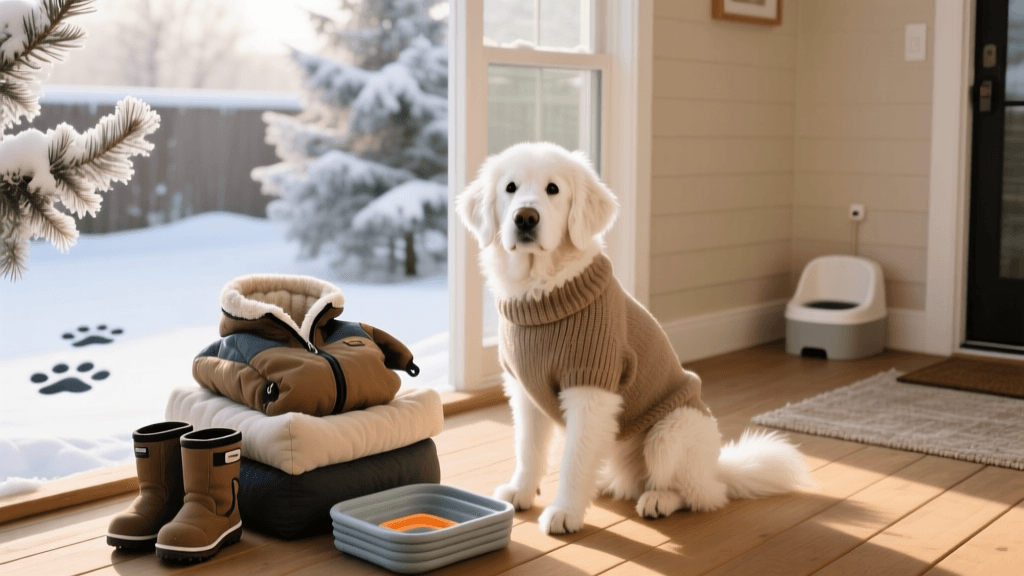
Greyhounds possess virtually no subcutaneous body fat and lack a dense undercoat. When the temperature drops below 60°F (15°C), they need a fleece or water-resistant coat. 'SnugFit' and 'Greyhound Gear' make coats tailored to their deep chests and long waists. Indoors, during winter, fleece pajamas are highly recommended to keep them warm on drafty floors.
Basket Muzzles
While Greyhounds are not inherently aggressive, their prey drive can trigger an instantaneous snap at small, fast-moving animals (including small dogs or cats). A well-fitted basket muzzle, such as the 'Baskerville Ultra', is essential for the initial introduction period to small pets, off-leash hiking in wildlife-heavy areas, or emergency vet visits where a frightened dog might bite.
Home Preparation: Greyhound-Proofing Your Space
Preparing your home for a retired racer goes beyond hiding electrical cords. You must address their physical limitations and environmental needs.
- Furniture Access: Greyhounds love soft surfaces and will inevitably claim your couch or bed. However, their long legs and stiff joints make jumping down dangerous, risking toe fractures or spinal injuries. Invest in pet stairs, such as the 'PetSafe CozyUp Folding Pet Steps', or a gentle incline ramp to help them descend safely.
- Flooring Traction: Hardwood and tile floors are like ice rinks to a Greyhound. Their paws are built for dirt tracks, not polished wood. Lay down interlocking foam mats, yoga mats, or area rugs with non-slip pads in high-traffic corridors to prevent splaying and catastrophic ligament tears.
- Fencing Requirements: Never rely on an underground invisible fence. Greyhounds can easily outrun the shock correction and will chase prey into traffic. A physical fence of at least 4 feet (ideally 5 to 6 feet) is mandatory. Ensure there are no gaps at the bottom of the fence where a determined hound could dig out.
- Glass Door Decals: Greyhounds have excellent long-distance vision but poor short-range depth perception. Apply static-cling decals to all sliding glass doors and large windows at the dog's eye level to prevent concussions from accidental full-speed collisions.
Health and Veterinary Considerations
Greyhound physiology is unique, and your veterinarian must be aware of this before administering any treatments. First, sighthounds metabolize certain anesthetic drugs, particularly barbiturates, much slower than other breeds due to their low body fat. Always confirm that your vet uses sighthound-safe anesthesia protocols (such as Propofol or Isoflurane). Second, retired racers almost universally require significant dental work. It is common to budget for a comprehensive dental cleaning and multiple extractions within the first six months of adoption. Finally, like all deep-chested breeds, Greyhounds are highly susceptible to Gastric Dilatation-Volvulus (GDV), or bloat. Feed them using a raised bowl positioned 12 to 16 inches off the ground, and strictly enforce a one-hour rest period before and after meals to prevent this fatal condition.
Estimated First-Year Costs for a Retired Greyhound
While the adoption fee is often lower than buying from a breeder, the initial setup for a sighthound requires a specific budget. Below is a realistic breakdown of first-year expenses.
| Expense Category | Estimated Cost (USD) | Notes |
|---|---|---|
| Adoption Fee | $350 - $500 | Usually includes spay/neuter, basic dental, and microchip. |
| Specialized Gear | $250 - $400 | Martingale collar, sighthound harness, winter coat, muzzle. |
| Home Modifications | $150 - $300 | Pet stairs, non-slip rugs, raised feeding stations. |
| Advanced Dental Care | $400 - $1,200 | Post-racing extractions and deep cleaning under anesthesia. |
| Premium Large Breed Food | $600 - $800 | High-quality kibble or raw diet for a 65-80 lb dog. |
| Routine Vet & Preventatives | $300 - $500 | Heartworm, flea/tick, and annual bloodwork. |
| Total Estimated First Year | $2,050 - $3,700 | Excludes emergency medical funds or pet insurance premiums. |
Navigating Prey Drive and Recall Training
The most critical aspect of Greyhound ownership is managing their prey drive. Organizations like Greyhound Pets of America (GPA) emphasize that a Greyhound should never be trusted off-leash in an unfenced area, regardless of how much obedience training they have completed. Their instinct to chase is triggered by movement, and their top speed of 45 miles per hour means they can cover a football field in seconds, rendering human recall commands useless in the heat of the chase.
When introducing your Greyhound to cats or small dogs, always use a basket muzzle and a secure leash for the first several weeks. Many rescues perform 'cat testing' or 'small dog testing' prior to adoption, but a dog's prey drive can sometimes shift once they settle into a new, more relaxed environment. For outdoor exploration in open spaces, invest in a 30-foot biothane long line. This allows your dog to sniff and explore safely while you maintain physical control.
'Adopting a retired Greyhound is not just about giving a dog a home; it is about understanding their unique biology and respecting their instincts. When you provide the right environment, you gain the most profoundly grateful and gentle companion imaginable.' — Greyhound Welfare Advocates
Final Thoughts on Sighthound Adoption
Bringing a retired racing Greyhound into your life requires a shift in how you view dog ownership. It is less about rigorous outdoor adventures and more about creating a safe, warm, and supportive indoor sanctuary. By investing in the proper sighthound gear, securing your fencing, and partnering with a knowledgeable veterinarian, you set the stage for a beautiful transition. For further reading on breed-specific welfare and post-adoption support, resources provided by Greyhound Welfare offer invaluable community networks and veterinary guides. With patience and the right preparation, your retired racer will happily trade the track for the ultimate prize: a soft couch and a loving family.
beth-carrasco
All our authors care for dogs every day — read more of their work on the authors page.