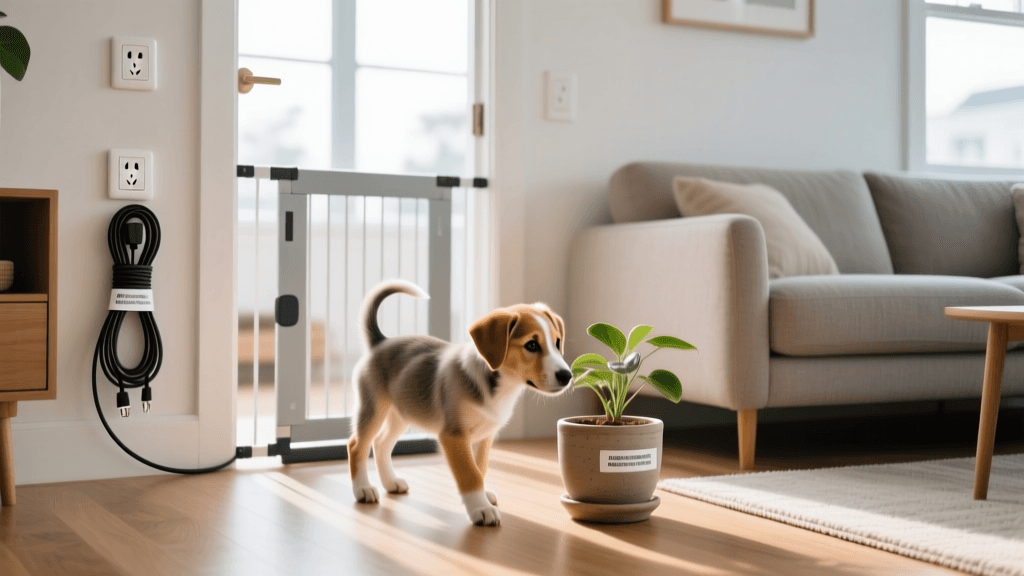
Adopting a Senior Dog: Home Prep and First-Day Essentials
Learn how to prepare your home, manage costs, and provide the best first-day essentials when adopting a senior dog. A complete life stage care guide.
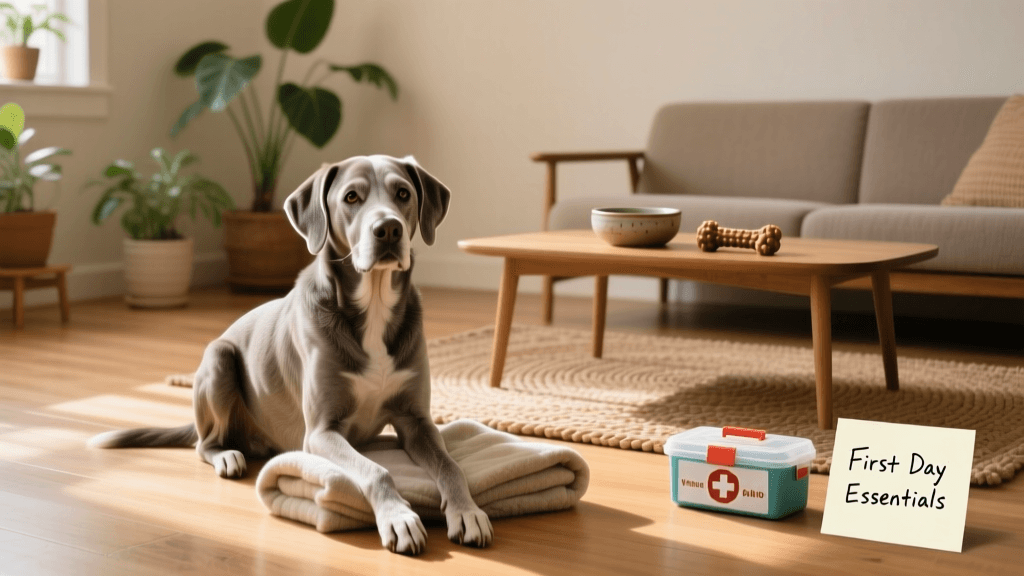
Embracing the Golden Years: A Guide to Senior Dog Adoption
When most people decide to get a dog, their minds immediately drift toward the chaotic, playful energy of a puppy. However, from a life stage care perspective, adopting a senior dog is one of the most profoundly rewarding decisions a prospective pet owner can make. Older dogs offer a unique companionship characterized by deep loyalty, established temperaments, and a calmer household presence. Yet, bringing an older canine into your home requires a distinct approach to preparation, environment setup, and veterinary care.
This comprehensive guide will walk you through the essential steps of preparing your home, managing initial costs, and navigating the critical first 48 hours with your new senior companion, ensuring their transition is as comfortable and stress-free as possible.
What Defines a Senior Dog?
Before altering your home environment, it is important to understand what constitutes a 'senior' dog, as this varies drastically by breed and size. The aging process in canines is not one-size-fits-all. According to veterinary life stage guidelines, dogs are generally considered seniors during the last 25% of their expected lifespan.
- Small Breeds (e.g., Chihuahuas, Dachshunds): Typically reach senior status around 10 to 12 years of age.
- Medium Breeds (e.g., Beagles, Cocker Spaniels): Usually considered seniors between 8 and 10 years.
- Large Breeds (e.g., Labrador Retrievers, German Shepherds): Enter their senior years around 6 to 8 years of age.
- Giant Breeds (e.g., Great Danes, Mastiffs): Can be considered seniors as early as 5 to 6 years old.
Understanding your new dog's specific life stage helps tailor your home preparation to their physical limitations, which often include osteoarthritis, diminished vision, and decreased stamina.
Preparing Your Home for an Older Canine
A senior dog's physical capabilities will dictate how they interact with your living space. Unlike a puppy, whose primary need is puppy-proofing to prevent destructive chewing and accidents, a senior dog requires accessibility-proofing to prevent injury and reduce daily strain.
Mobility and Joint Support
Osteoarthritis affects a significant majority of senior dogs. Jumping onto furniture or navigating slippery floors can cause micro-traumas to aging joints. To mitigate this, invest in an orthopedic bed featuring at least 4 to 7 inches of high-density memory foam. Brands like Big Barker or K9 Ballistics offer therapeutic beds specifically designed to prevent the bed from flattening out under the dog's weight, which is crucial for dogs with hip dysplasia or severe arthritis.
Additionally, install pet ramps or stairs near the couches and beds they are permitted to use. Look for ramps with a gentle incline (ideally 18 degrees or less) and a high-traction surface. If your home features hardwood, tile, or laminate flooring, lay down interlocking foam mats or non-slip area rugs in high-traffic zones to prevent splaying and falls.
Sensory Adjustments and Lighting
As dogs age, their senses of sight and hearing naturally decline. Furthermore, some senior dogs develop Canine Cognitive Dysfunction (CCD), a condition similar to dementia in humans, which can cause nighttime pacing and disorientation. To help your new dog navigate safely:
- Install motion-sensor nightlights in hallways, near their sleeping area, and along the path to the backyard.
- Keep furniture arrangements strictly consistent; moving a sofa or a coffee table can severely disorient a visually impaired senior dog.
- Use scent markers (like a drop of dog-safe lavender oil on a baseboard) to help them identify different rooms if their vision is failing.
First-Day Essentials and Cost Breakdown
Budgeting for a senior dog involves a different set of initial expenses compared to a puppy. While you may save on crate training and teething toys, you will need to invest in comfort and mobility aids. Below is a structured breakdown of first-day essentials and their estimated costs.
| Item | Purpose | Estimated Cost |
|---|---|---|
| Orthopedic Memory Foam Bed | Alleviates joint pressure and provides thermal comfort | $120 - $280 |
| Pet Ramp or Stairs | Prevents jumping injuries and joint strain | $45 - $130 |
| Raised Food and Water Bowls | Reduces neck and spinal strain during meals | $25 - $75 |
| Non-Slip Floor Mats | Provides traction on slippery hard-surface floors | $30 - $90 |
| Support Harness with Handle | Assists with lifting, stair climbing, and car entry | $40 - $100 |
| Calming Pheromone Diffuser | Eases anxiety and aids in environmental decompression | $25 - $45 |
Veterinary Baseline and Nutritional Needs
Within the first week of adoption, scheduling a comprehensive senior wellness exam is non-negotiable. The American Animal Hospital Association (AAHA) recommends that senior dogs undergo veterinary evaluations every six months. Because dogs age much faster than humans, a six-month interval is equivalent to a human visiting a doctor every 3 to 4 years.
Request a complete senior blood panel, which should include a Complete Blood Count (CBC), a comprehensive chemistry panel, a urinalysis, and a thyroid check. This baseline data is critical for catching early signs of kidney disease, liver dysfunction, or hypothyroidism.
Nutrition and Supplementation
Senior dogs often require a diet lower in calories but higher in high-quality, easily digestible proteins to prevent muscle wasting (sarcopenia) while avoiding obesity. Look for senior-specific formulas that include added Omega-3 fatty acids (EPA and DHA) to support joint health and cognitive function. The American Veterinary Medical Association (AVMA) notes that targeted supplementation, such as Glucosamine, Chondroitin, and MSM, can significantly improve mobility and quality of life in aging canines. Always consult your veterinarian before introducing new supplements to ensure they do not interact with any prescribed medications.
The First 48 Hours: Decompression and Routine
The transition from a shelter or foster home to a permanent residence is overwhelming for any dog, but for a senior dog, it can be physically and mentally exhausting. The popular '3-3-3 Rule' of adoption (3 days to decompress, 3 weeks to learn a routine, 3 months to feel at home) is highly applicable here, but the first 48 hours require specialized care.
Managing Sensory Overload
Keep your home exceptionally quiet. Resist the urge to invite friends and family over to meet the new dog immediately. Set up their orthopedic bed in a low-traffic, draft-free area of the house. Plug in a dog-appeasing pheromone (DAP) diffuser nearby to promote a sense of biological security.
Rethinking the 'Walk'
While puppies need physical exercise to burn off energy, senior dogs benefit more from 'sniffaris'—short, slow, sniff-heavy walks. Mental enrichment through scent processing tires out an older dog's brain without placing undue stress on their aging cardiovascular system and joints. Keep initial outings to 10-15 minutes, utilizing a supportive harness rather than a collar to protect their trachea and cervical spine.
The Unique Rewards of Senior Adoption
Adopting an older dog means you are giving a vulnerable animal a soft place to land for their twilight years. As highlighted by the American Kennel Club (AKC), senior dogs are often already house-trained, understand basic commands, and possess a settled temperament that makes them ideal companions for apartment dwellers, older adults, or families seeking a relaxed pet.
'When you adopt a senior dog, you are not just saving a life; you are granting them the dignity, comfort, and love they deserve in their final chapters. The bond formed with an older rescue is unparalleled in its depth and quiet gratitude.'
Conclusion
Getting a senior dog is a beautiful commitment that requires foresight, empathy, and a willingness to adapt your environment. By investing in mobility aids, prioritizing a veterinary baseline, and allowing for a quiet, patient decompression period, you set the stage for a deeply fulfilling relationship. Your preparation ensures that your new companion's golden years are truly golden, filled with comfort, safety, and unwavering love.
jonas-cole
All our authors care for dogs every day — read more of their work on the authors page.