The First-Time Puppy Guide: Home Prep and Year One Budget
Discover essential home prep tips and a realistic first-year budget for first-time puppy owners. Get actionable checklists and cost breakdowns today.
Welcoming Your New Puppy: Bridging Expectation and Reality
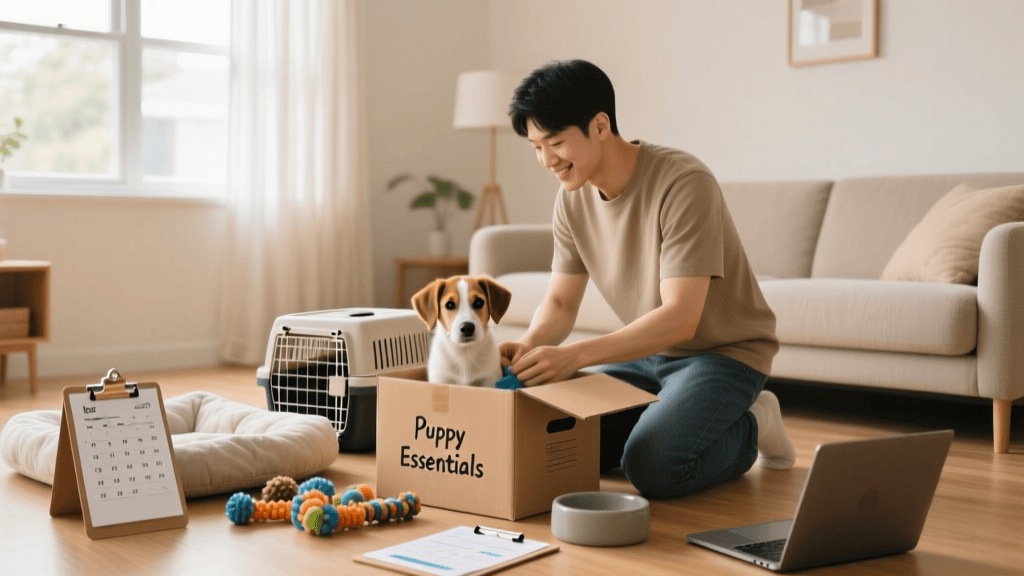
Bringing a new puppy home is one of life’s most exciting milestones, but the transition from dreaming about a dog to actually raising one requires serious preparation. First-time owners often underestimate the sheer amount of time, environmental management, and financial investment required during the first twelve months. The cute photos on social media rarely show the chewed-up baseboards, the 3:00 AM potty breaks, or the unexpected veterinary bills. This comprehensive guide bridges the gap between expectation and reality, providing actionable steps to puppy-proof your home, build a realistic budget, and stock up on day-one essentials so you can start your journey on the right paw.
Puppy-Proofing Your Home: A Room-by-Room Strategy
Puppies explore the world with their mouths, and their sharp little teeth can cause thousands of dollars in damage—or worse, lead to a life-threatening veterinary emergency. The American Kennel Club (AKC) recommends getting down on your hands and knees to view your home from a puppy’s eye level. This simple perspective shift will immediately reveal hazards you might otherwise miss.
Living Areas and Bedrooms
- Electrical Cords: Puppies love chewing on rubbery textures. Use split loom wire concealers or cable management boxes (like the JOTO Cable Management Box) to hide power strips and TV cords. For exposed wires, apply a bitter deterrent spray like Bitter Yuck! No Chew Spray.
- Houseplants: Many common indoor plants, including Sago Palms, Pothos, and Lilies, are highly toxic to dogs. Move all plants to high shelves or hang them from the ceiling, or consult the ASPCA’s toxic plant database to ensure your greenery is safe.
- Small Objects: Coins, hair ties, children’s toys, and socks must be kept in closed drawers. A swallowed sock can easily cause an intestinal blockage requiring a $3,000+ emergency surgery.
Kitchens and Bathrooms
- Cabinet Locks: Install childproof magnetic locks on lower cabinets containing cleaning supplies, trash cans, or human medications.
- Trash Cans: Ditch the open-top wastebaskets. Invest in a heavy-duty, step-on trash can with a secure lid, or keep the bin inside a latched pantry.
- Toilets: Keep the lid down at all times. Puppies can easily fall in, and toilet bowl cleaners are highly caustic and poisonous if ingested.
Creating Safe Zones
You cannot watch a puppy 24/7. Use hardware-mounted baby gates (avoid pressure-mounted gates, which puppies can easily knock over) to block off stairs and restrict access to high-risk areas like the kitchen or home office. A 28-inch tall gate with a walk-through door is usually sufficient for small to medium breeds, but larger breeds like Golden Retrievers or German Shepherds may require 36-inch extra-tall gates.
The First-Year Puppy Budget: What to Really Expect
Financial preparedness is just as crucial as physical preparation. According to the ASPCA’s pet care cost estimates, the first year of dog ownership is invariably the most expensive due to initial setup costs, core vaccinations, and spay/neuter surgeries. Below is a realistic breakdown of what a first-time owner should budget for a medium-sized dog (e.g., a Spaniel, Bulldog, or smaller Retriever mix) during year one.
| Category | Item / Service | Estimated Cost | Frequency |
|---|---|---|---|
| Acquisition | Adoption Fee or Breeder Deposit | $300 - $3,000 | One-time |
| Initial Vet Care | DHPP/Rabies Vaccines, Microchip, Deworming | $250 - $500 | One-time |
| Surgery | Spay or Neuter Procedure | $300 - $800 | One-time |
| Gear & Supplies | Crate, Bed, Harness, Leash, Bowls, Gates | $250 - $450 | One-time |
| Nutrition | High-Quality Puppy Food (e.g., Purina Pro Plan) | $60 - $90 / mo | Monthly |
| Preventatives | Flea, Tick, and Heartworm (e.g., NexGard + Heartgard) | $30 - $50 / mo | Monthly |
| Insurance | Pet Insurance (e.g., Trupanion, Healthy Paws) | $40 - $80 / mo | Monthly |
| Training | Group Puppy Kindergarten or Private Sessions | $150 - $400 | One-time / Series |
| Grooming | Baths, Nail Trims, Haircuts (Breed Dependent) | $50 - $100 / visit | Every 4-8 Weeks |
Pro Tip for First-Time Owners: Do not skip pet insurance. Enrolling your puppy before they develop any pre-existing conditions ensures that if they swallow a toy or develop a genetic issue like hip dysplasia later in life, you will not be faced with a devastating financial choice.
Day-One Shopping Checklist: Products That Actually Work
Skip the gimmicky pet store aisles and focus on proven, durable gear. Here are the exact measurements and product types you need before bringing your puppy home:
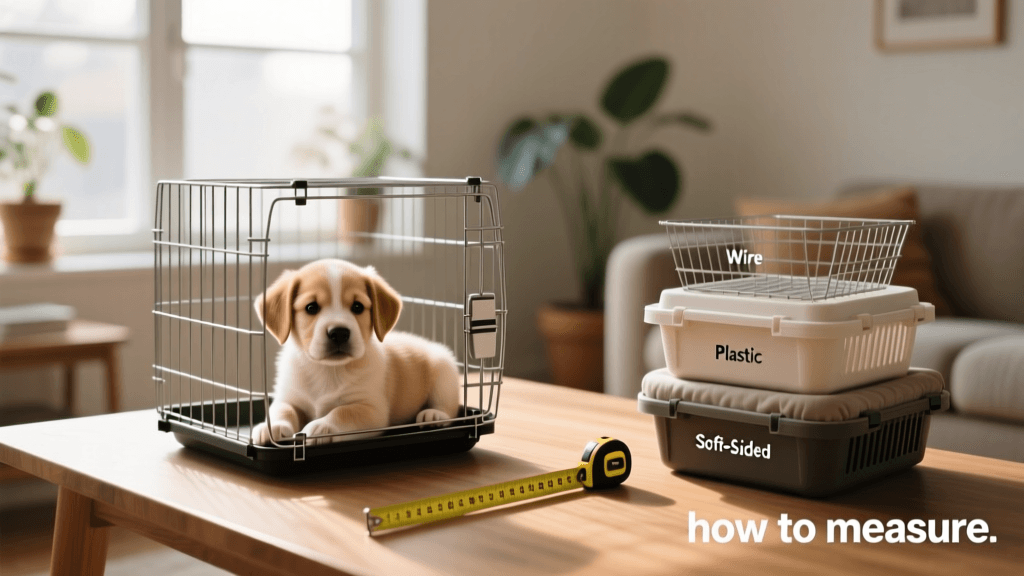
- The Crate: A wire crate with a divider panel is essential. The MidWest Homes for Pets iCrate (Double Door, 36x23x25 inches) is a gold standard for medium breeds. The divider allows you to expand the space as your puppy grows, preventing them from soiling one end and sleeping in the other.
- The Harness: Avoid attaching leashes to collars, which can damage a puppy’s developing trachea. The Ruffwear Front Range Harness features both a front and back clip, making it incredibly effective for teaching loose-leash walking without encouraging pulling.
- Enzymatic Cleaner: Standard household cleaners won't break down uric acid crystals, meaning your puppy will keep returning to the same spot to pee. Nature’s Miracle Advanced Stain & Odor Eliminator uses enzymatic bacteria to completely eradicate the scent.
- Crate Training Aid: The SmartPetLove Snuggle Puppy features a simulated heartbeat and a heat pack. Placing this in the crate during the first few nights drastically reduces separation anxiety and midnight whining.
- Chew Toys: Stock up on KONG Classic (Red, Medium) toys. You can stuff them with puppy-safe peanut butter and freeze them to provide 30+ minutes of soothing, mentally stimulating enrichment during teething phases.
Establishing a Routine: The 3-3-3 Rule and Potty Training
The Humane Society of the United States emphasizes that a predictable routine reduces anxiety and accelerates learning. For rescue puppies or older dogs, experts recommend the 3-3-3 Rule: 3 days to decompress, 3 weeks to learn your routine, and 3 months to finally feel at home and show their true personality. During this period, patience and consistency are your greatest tools.
The Potty Training Timeline
A general veterinary rule of thumb for bladder control is: Age in months + 1 = the maximum number of hours they can hold it. A two-month-old puppy can only hold their bladder for about three hours. This means you must take them outside:
- Immediately upon waking up.
- Within 15 minutes after eating or drinking.
- After every vigorous play session.
- Every 1 to 2 hours during the day.
- At least once in the middle of the night for the first few weeks.
When they eliminate outside, use a consistent marker word like 'Yes!' or a clicker, followed immediately by a high-value treat (like boiled chicken or Zuke’s Mini Naturals). Never punish a puppy for an accident you find after the fact; they will not connect the punishment to the action, and it will only teach them to fear you or hide to eliminate.
Socialization: The Critical Window
Between 8 and 16 weeks of age, puppies go through a critical socialization window. This is the time to safely expose them to as many new sights, sounds, surfaces, and people as possible. Carry your puppy through hardware stores, sit on park benches watching traffic, and invite friends wearing hats and sunglasses to your home. However, until their DHPP vaccination series is complete (usually around 16 weeks), avoid placing them on the ground in high-traffic dog areas like dog parks or pet store floors to protect them from Parvovirus. Enrolling in a controlled, vaccine-checked puppy kindergarten class is the safest way to facilitate dog-to-dog socialization.
Final Thoughts for the First-Time Owner
Raising a puppy is a marathon, not a sprint. There will be frustrating days where you question your decision, especially during teething or sleep regression phases. By preparing your home to keep them safe, securing your finances to handle their healthcare, and committing to a consistent, positive-reinforcement routine, you are laying the groundwork for a deeply rewarding, lifelong bond. Take a deep breath, prep your freezer with stuffed KONGs, and get ready to welcome your new best friend home.
aaron-whyte
All our authors care for dogs every day — read more of their work on the authors page.