Adaptive Dog Training for Canine OA: 2026 Mobility Guide
Discover 2026 adaptive training techniques for dogs with osteoarthritis. Learn low-impact obedience, scent work, and mobility conditioning for joint health.
The 2026 Paradigm: Pain Management Meets Behavioral Conditioning
Canine osteoarthritis (OA) is a progressive, degenerative joint disease that affects millions of dogs worldwide. As we navigate through 2026, the veterinary landscape for treating canine OA has evolved dramatically. With the widespread adoption of anti-nerve growth factor (anti-NGF) monoclonal antibody injections and advanced regenerative therapies, dogs are experiencing unprecedented, long-lasting pain relief. However, this medical triumph introduces a unique and often overlooked challenge for dog trainers and owners: when a dog no longer feels pain, they often attempt to move, play, and train with the intensity of a puppy, inadvertently causing further structural damage to their compromised joints.
Therefore, adaptive training for canine OA in 2026 is not just about teaching commands; it is about behavioral conditioning, enforcing physical boundaries, and utilizing low-impact mental stimulation to maintain a high quality of life. According to VCA Animal Hospitals, osteoarthritis affects up to 25% of dogs, and managing the condition requires a multimodal approach that heavily relies on controlled exercise and weight management. In this guide, we will explore how to adapt your training regimen to protect your dog's joints while keeping their mind sharp and engaged.
Modifying Obedience: Ditching the Traditional 'Sit'
One of the most fundamental shifts in modern adaptive training is reevaluating the traditional 'sit' command. For a dog with hip dysplasia, stifle (knee) OA, or lower back spondylosis, the biomechanical act of folding their hindquarters into a sit places immense torque and compressive force on already inflamed joint capsules. Repeatedly asking an arthritic dog to sit, especially on hard surfaces, can accelerate cartilage degradation.
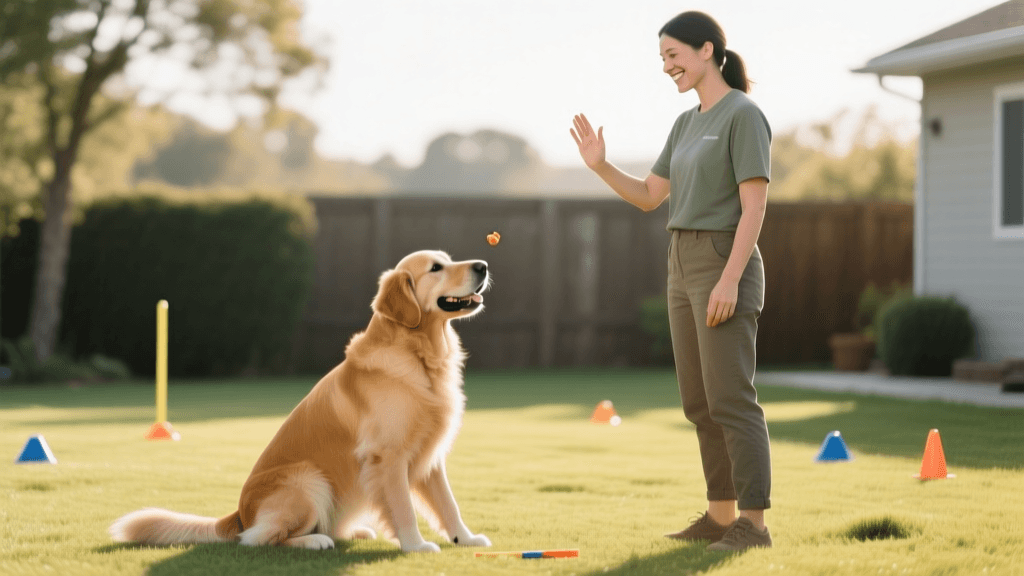
Instead, 2026 training protocols emphasize the 'Stand' and 'Settle' commands. Teaching a dog to stand still for grooming, veterinary exams, or greeting guests is far more joint-friendly. To train the 'Stand', start with your dog in a natural standing position. Use a high-value treat at nose level to lure them forward half a step, then mark and reward when all four paws are planted. Gradually increase the duration before rewarding.
Similarly, replace the 'Down' on hard floors with 'Mat Targeting' or 'Settle'. Invest in a high-density, orthopedic memory foam training mat. Lure your dog onto the mat and reward them for lying down only on this cushioned surface. This not only protects their joints from cold, hard floors but also creates a clear environmental cue that training or resting is happening in a safe, padded zone.
Mental Fatigue Over Physical Exhaustion
Because physical exertion must be strictly capped to prevent joint flare-ups, mental fatigue becomes your primary tool for tiring out an active dog with OA. Veterinary sports medicine experts, such as those at the Texas A&M College of Veterinary Medicine, emphasize that controlled, low-impact mental stimulation is vital for preventing the behavioral issues that arise when active dogs are suddenly restricted from running and fetching.
Scent work and nosework are the gold standards for OA adaptive training. Fifteen minutes of intense scent work can provide the same level of cognitive exhaustion as an hour of vigorous physical exercise. To start, you do not need expensive equipment. Begin with 'Find It' in your living room. Have your dog stay on their orthopedic mat, show them a strong-smelling treat, and place it a few feet away. Release them with the cue 'Find It'. Gradually increase the difficulty by hiding treats under blankets, behind furniture legs, or inside snuffle mats.
As your dog progresses, you can introduce essential oil scent discrimination (such as birch or anise) using small, lightweight tin containers. This allows your dog to engage their natural hunting instincts and problem-solving skills without requiring them to jump, run, or make sharp, concussive turns.
Proprioception and Core Strengthening
While high-impact agility is off the table, targeted physical conditioning is essential. A strong core and well-developed stabilizing muscles act as a natural brace for arthritic joints. Proprioception training helps your dog maintain balance and spatial awareness, reducing the likelihood of slips and falls that can cause catastrophic joint injuries.
Utilize canine fitness equipment like the FitPAWS Peanut or K9 FitBone. These inflatable, unstable surfaces force your dog to engage their deep core muscles simply by standing on them. Start by having your dog place just their front paws on the peanut while their hind paws remain on a non-slip yoga mat. Reward them for holding this position for 10 to 15 seconds. This specific exercise builds shoulder and chest strength, which is crucial for dogs with hind-end weakness due to hip or knee OA.
Another excellent low-impact tool is Cavaletti pole training. By setting up a series of low hurdles (using PVC pipes or broom handles resting on cones), you can encourage your dog to lift their paws higher and extend their stride. The poles should be set at the height of your dog's carpus (wrist). Walking slowly over these poles improves joint flexion and extension without the jarring impact of jumping. Always ensure the surface beneath the poles is high-traction, such as rubber matting or short grass, to prevent splaying.
Comparing Traditional vs. OA-Adaptive Training
To help you transition your current training routine, refer to the table below for quick, joint-friendly substitutions that maintain obedience without sacrificing your dog's physical health.
| Traditional Command | OA-Adaptive Alternative | Biomechanical Benefit |
|---|---|---|
| Sit | Stand / Settle | Prevents hip flexion strain and patellar stress |
| Down (Hard Floor) | Mat Targeting (Orthopedic) | Cushions joints, prevents cold-induced stiffness |
| Fetch / Agility | Scent Work / Nosework | Zero impact, high mental fatigue |
| Heel (Paved) | Loose-Leash (Grass/Turf) | Reduces repetitive concussive forces on carpal joints |
Scheduling Training Around OA Treatments
In 2026, timing your training sessions in conjunction with your dog's veterinary treatments is a critical component of success. If your dog is receiving NSAIDs, gabapentin, or undergoing Class IV therapeutic laser therapy, you must account for the pharmacokinetics of these interventions. For instance, if your dog receives a laser therapy session on their lumbar spine, schedule your proprioception and core-strengthening exercises for about two hours post-treatment. This is when inflammation is most reduced, and tissue extensibility is at its peak, allowing for safer, more comfortable movement.
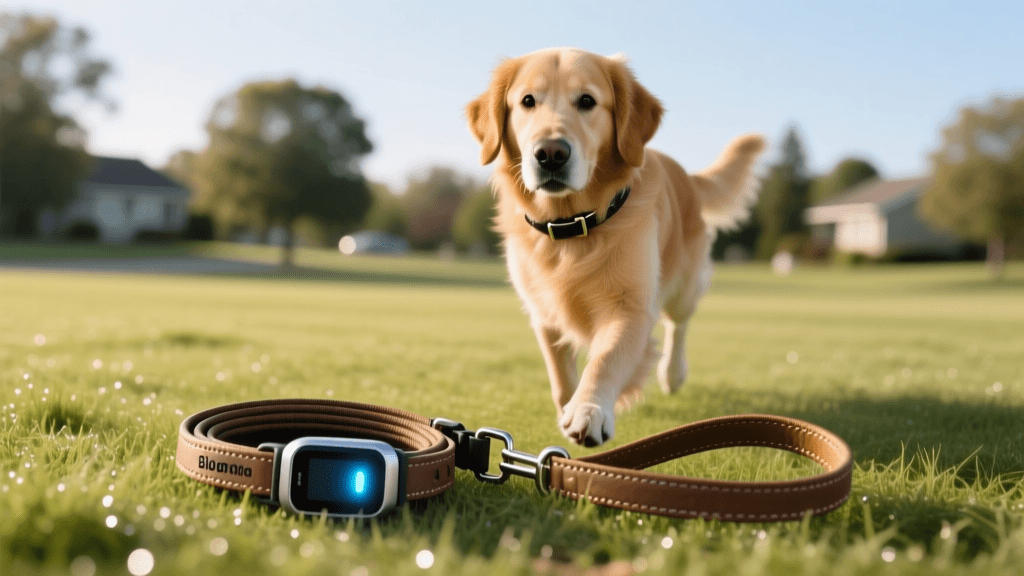
Furthermore, the integration of smart biometric collars in 2026 allows owners to track their dog's resting heart rate and daily activity spikes. If your dog's wearable tracker indicates a restless night or an elevated baseline heart rate, this is a clear signal of a subclinical pain flare-up. On these days, cancel all physical conditioning and pivot entirely to passive mental enrichment, such as lick mats or gentle massage, to avoid pushing your dog past their physical limits.
Conclusion
Training a dog with osteoarthritis requires a profound shift in perspective. It is no longer about achieving perfect heelwork or lightning-fast recalls; it is about preserving mobility, fostering cognitive engagement, and respecting the biological realities of an aging body. By leveraging the advanced pain management options available in 2026 alongside thoughtful, adaptive training techniques like scent work, mat targeting, and proprioceptive conditioning, you can ensure your dog remains a joyful, active, and deeply bonded companion. Always consult with your veterinarian or a certified canine rehabilitation therapist before beginning a new conditioning program, and remember that in adaptive training, patience and consistency are your most valuable tools. For more insights on managing senior dog health, the American Kennel Club offers excellent resources on recognizing the subtle signs of joint pain and adjusting your daily care routines accordingly.
robin-maitland
All our authors care for dogs every day — read more of their work on the authors page.