Raw Food Resource Guarding Prevention: 2026 Protocol
Learn how to prevent and treat resource guarding when feeding a raw diet. Our 2026 protocol ensures safe, stress-free raw meals for your dog.
The Raw Diet Dilemma: Why Dogs Guard Fresh Food
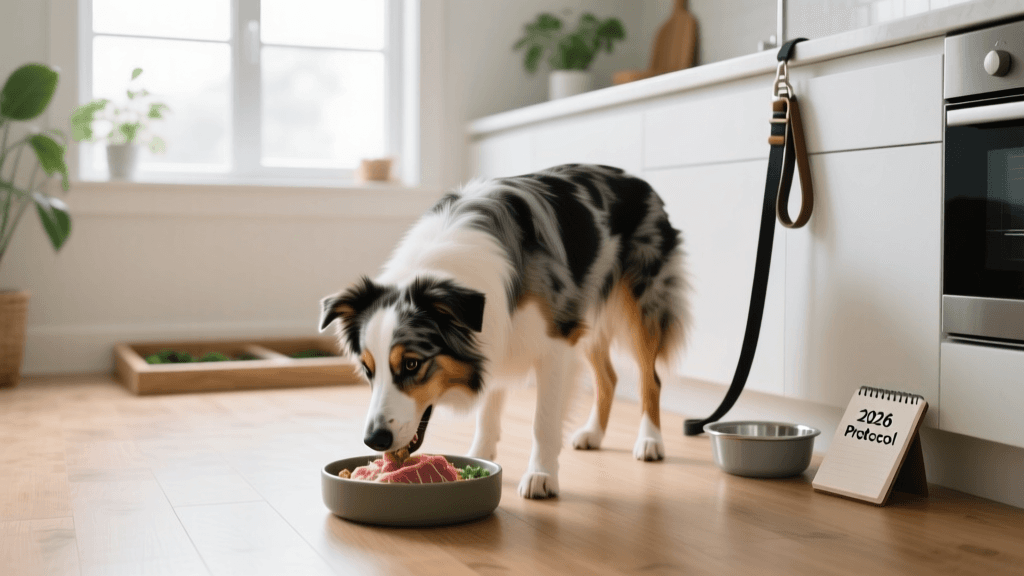
As we navigate the pet nutrition landscape in 2026, commercially prepared raw diets, freeze-dried fresh meals, and home-prepped biologically appropriate raw food (BARF) have reached peak popularity among dedicated dog owners. While the health benefits of feeding fresh, species-appropriate ingredients are widely celebrated, this dietary shift has brought a significant behavioral challenge to the forefront: resource guarding. Unlike extruded kibble, which often lacks a potent aroma and primal appeal, raw meat, organ tissues, and recreational bones trigger deep-seated evolutionary instincts in our canine companions.
Resource guarding is a natural survival behavior where a dog uses defensive actions to retain control over a high-value item. When that item is a bowl of fresh green tripe, a raw turkey neck, or a meaty marrow bone, the biological drive to protect it intensifies exponentially. According to the ASPCA's comprehensive guide on resource guarding, dogs may guard food, toys, or spaces, but high-value edible items remain the most common triggers for aggressive outbursts. Understanding this evolutionary drive is the first step toward implementing a safe, effective training protocol.
Recognizing Early Signs of Raw Food Guarding
Before a dog escalates to snapping or biting, they communicate their discomfort through subtle canine body language. In 2026, modern veterinary behaviorists emphasize the importance of recognizing these micro-expressions before they develop into dangerous incidents. When preparing or serving a raw meal, watch closely for the following warning signs:
- Whale Eye: The dog turns its head away but keeps its eyes fixed on you or another pet, exposing the whites of its eyes.
- Freezing and Stiffening: A sudden halt in chewing, accompanied by a rigid posture, especially when a human walks into the room.
- Accelerated Eating: Gulping down large chunks of raw meat or bone frantically to consume the resource before it can be taken away.
- Hovering and Blocking: Using their body weight to shield the bowl or bone from approaching family members or other pets.
- Lip Licking and Yawning: Displacement behaviors that indicate stress and anxiety regarding the proximity of a perceived threat.
- Low Growling: A guttural warning sound that should never be punished, as punishing a growl removes the dog's warning system and can lead to a bite without warning.
The 2026 Paws-Tales Desensitization Protocol
To safely integrate a raw diet into your dog's routine without triggering guarding behaviors, we recommend a structured, multi-phase desensitization and counter-conditioning protocol. This methodology relies on positive reinforcement and changing the dog's emotional response to human proximity during meal times.
Phase 1: Hand-Feeding Foundation (Weeks 1-2)
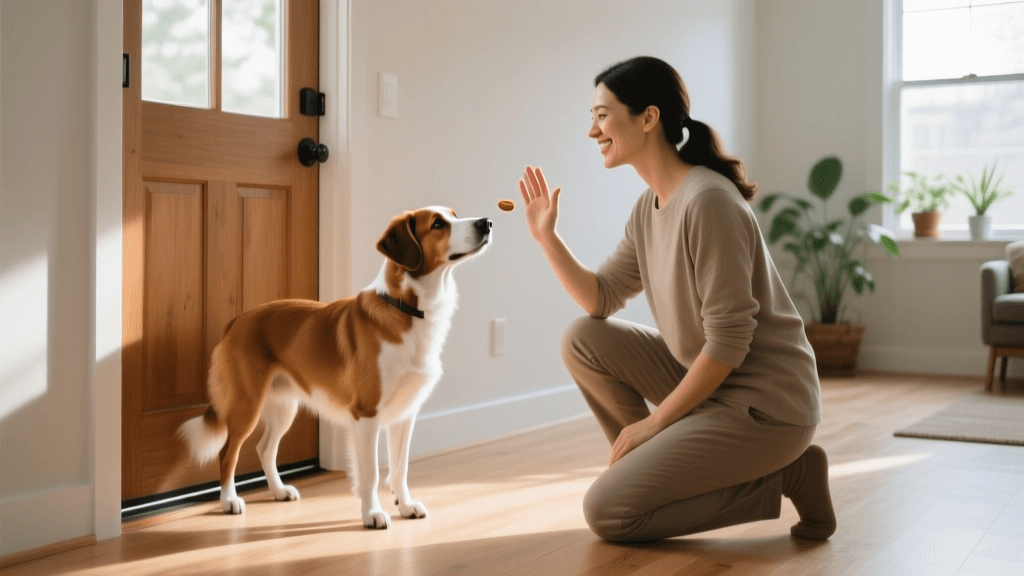
When first transitioning to a raw diet, bypass the food bowl entirely. For the first two weeks, feed your dog's daily raw ration entirely by hand. This establishes you as the source of the high-value food, rather than a competitor trying to steal it. Hand-feeding builds trust, reinforces basic obedience cues (like "sit" and "wait" before receiving a piece of raw muscle meat), and completely removes the environmental trigger of a stationary bowl. If your dog is hesitant to eat raw food from your hand, try using a silicone lick mat or a West Paw Toppl toy to bridge the gap.
Phase 2: The "Addition" Method (Weeks 3-4)
Once your dog is comfortable eating from a bowl again, introduce the "Addition" method. The goal is to teach the dog that a human approaching their raw meal means more food is coming, not that food is being taken away. While your dog is eating their standard raw meal, casually walk past and toss a higher-value treat into their bowl. In 2026, top trainers recommend using freeze-dried beef liver, fresh sardines, or small pieces of roasted chicken as the "addition." Toss the treat from a distance where the dog remains relaxed, gradually decreasing the distance over several weeks. According to VCA Animal Hospitals' behavioral resources, this counter-conditioning technique effectively rewires the dog's brain to associate human proximity with positive outcomes.
Phase 3: The Trade-Up Exercise (Weeks 5-6)
Raw recreational bones and meaty necks are notorious guarding triggers because they last longer than a standard meal. The Trade-Up exercise teaches your dog to voluntarily surrender a high-value item in exchange for something even better. Offer your dog a raw bone. After a few minutes of chewing, approach with a piece of fresh, aromatic tripe or a high-value commercial treat. Present the treat near their nose and say a cue word like "drop it" or "trade." When they release the bone to eat the treat, pick up the bone, praise them, and then give the bone back. Returning the item proves to the dog that giving it up does not mean losing it forever, drastically reducing their need to guard it in the future.
Environmental Management During Raw Meal Prep
Training is only half the equation; environmental management is the other. The smell of fresh raw meat permeating the kitchen can send a high-drive dog into a state of high arousal before the food even hits the bowl. To prevent rehearsing guarding behaviors, manage the environment meticulously. Prepare raw meals behind closed doors or use a baby gate to keep your dog in a separate room. Utilize puzzle feeders, snuffle mats, or frozen Kong toys stuffed with dog-safe peanut butter to keep them occupied and mentally stimulated while you handle the raw ingredients. Once the meal is served, ensure the dog eats in a low-traffic, quiet area of the house, free from the chaos of children or other pets.
Multi-Dog Households: Spatial Management for Raw Meals
Feeding a raw diet in a multi-dog household requires strict spatial management. Never feed two dogs raw meat or bones in the same open space. The competition for high-value, aromatic resources can trigger severe inter-dog aggression. In 2026, certified behaviorists strongly advocate for "crate and rotate" feeding or utilizing separate rooms with closed doors. Once a dog finishes their raw meal, safely leash them or guide them out of the room before picking up the bowl or any leftover bone fragments. This prevents the dog from feeling the need to rush or guard their leftovers while you are cleaning up.
Data Table: Guarding Triggers - Kibble vs. Raw Diets
Understanding the differences between traditional and alternative diets helps owners anticipate behavioral shifts. The following table compares the guarding risk factors associated with extruded kibble versus fresh raw diets:
| Trigger Factor | Extruded Kibble | Fresh Raw Diet |
|---|---|---|
| Scent Intensity | Low to Moderate | Extremely High (Primal Trigger) |
| Chewing / Consumption Time | Fast (1-3 Minutes) | Variable (5-30+ Minutes for bones) |
| Biological / Evolutionary Value | Low | Very High |
| Guarding Risk Level | Moderate | Severe (Requires Active Management) |
| Spillage / Scent Lingering | Minimal | High (Requires thorough sanitization) |
Expert Insights and Safety Rules
"Punishing a dog for growling over a raw bone is akin to removing the smoke detector instead of putting out the fire. Our goal in modern behavior modification is to change the dog's emotional state, not just suppress their warning signs."
This philosophy is echoed across the industry. The American Kennel Club's training advice reinforces that owners should never reach into a dog's bowl to "test" their guarding instincts or forcefully take away a raw bone to assert dominance. These outdated, aversive methods damage the human-canine bond and significantly increase the risk of a bite. Instead, focus on building a relationship of trust through the Trade-Up game and the Addition method outlined above.
When to Call a Professional
While the 2026 Paws-Tales protocol is highly effective for mild to moderate guarding, severe cases require professional intervention. If your dog has already bitten a person or another animal, or if they exhibit extreme distress, panic, or uncontrollable aggression when approached with raw food, stop the training protocol immediately. Consult a certified professional dog trainer (CPDT-KA) or a veterinary behaviorist (DACVB) who specializes in positive reinforcement and force-free behavior modification. They can help you design a customized safety plan, which may include temporary muzzle conditioning during raw feeding or a complete reassessment of your dog's diet to ensure the safety of your entire household.
Conclusion
Feeding a raw, fresh, or alternative diet in 2026 offers incredible nutritional benefits for your dog, but it demands a higher level of behavioral awareness and management from the owner. By recognizing the early signs of resource guarding, implementing a structured desensitization protocol, and strictly managing your dog's feeding environment, you can ensure that mealtime remains a safe, enriching, and stress-free experience. Remember, patience and consistency are your greatest tools in helping your dog feel secure enough to share their space, even when a highly coveted raw bone is on the menu.
priya-sutaria
All our authors care for dogs every day — read more of their work on the authors page.