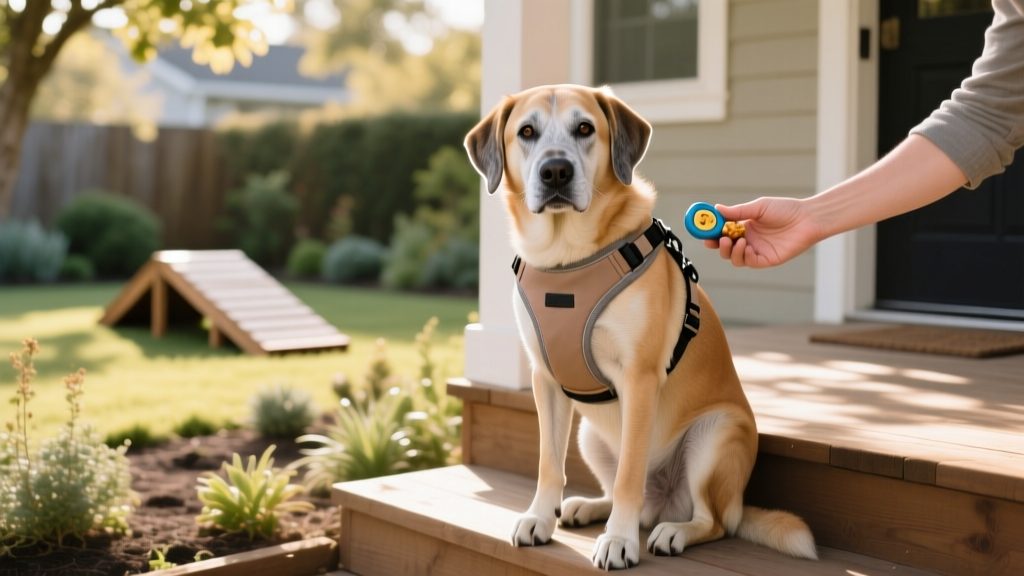
The Ultimate Guide to Training Big Dogs: Tips, Techniques & Common Mistakes
Master the art of training big dogs with our comprehensive guide. Discover step-by-step tips, leash techniques, and solutions for giant breed challenges.
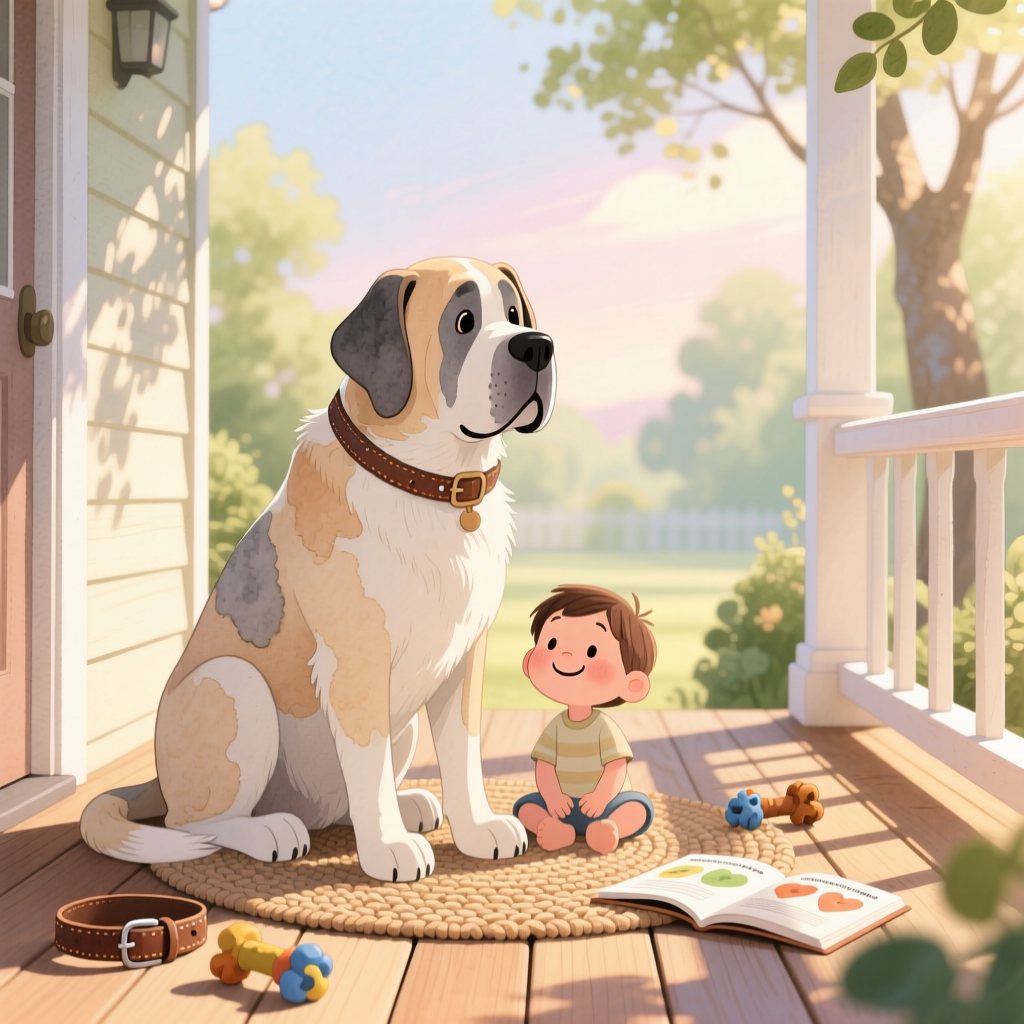
Big dogs are majestic, loyal, and incredibly loving companions. However, their sheer size and strength mean that a lack of training can quickly turn a pleasant walk into a wrestling match. Whether you share your home with a gentle giant like a Great Dane, an energetic powerhouse like a German Shepherd, or a lovable Labrador Retriever, establishing clear communication and boundaries is essential. Training a large breed is not just about obedience; it is about safety, mutual respect, and ensuring your dog can navigate the human world without accidentally knocking people over. In this comprehensive guide, we will explore the unique challenges of training big dogs, provide step-by-step techniques for success, and highlight common mistakes to avoid.
Why Training Big Dogs Requires a Unique Approach
When dealing with giant and large breeds, physics plays a significant role. A ten-pound dog pulling on a leash is an annoyance; a hundred-pound dog pulling on a leash is a physical hazard. Because of their mass, big dogs require impeccable leash manners and impulse control from a very young age. Furthermore, large breeds often mature much slower than their smaller counterparts. A Golden Retriever or a Rottweiler might retain their clumsy, rambunctious puppy energy well into their second or third year. This extended adolescence requires immense patience and consistency from their owners. Finally, large breed puppies are prone to joint and bone issues, such as hip dysplasia. This means their physical exercise must be carefully monitored to protect their developing growth plates, making mental stimulation and low-impact training exercises absolutely critical during their first year.
Essential Step-by-Step Training Techniques for Large Breeds
1. Early and Extensive Socialization
Socialization is the foundation of a well-adjusted dog, but for large breeds, it is a strict necessity. A fearful or reactive giant dog is incredibly difficult to manage physically. The critical socialization window occurs between three and fourteen weeks of age. During this time, expose your puppy to a wide variety of sights, sounds, surfaces, and people. For a deeper dive into this crucial developmental stage, check out our complete guide to puppy socialization. When socializing a big dog, focus on creating positive associations. Let your puppy observe the world from a safe distance and reward them with high-value treats for calm behavior. Never force a large breed puppy into a scary situation, as this can trigger a fear response that will be dangerously hard to control as they grow.
2. Mastering the Loose Leash Walk
Leash pulling is the number one complaint among owners of large dogs. To protect your shoulders and your dog's trachea, loose leash walking must be prioritized. Read our in-depth tutorial on leash training for a full breakdown, but here is the core step-by-step method:
- Step 1: Choose the Right Equipment. Start with a well-fitted front-clip harness. When the dog pulls, the front clip gently redirects their momentum back toward you, discouraging forward lunging.
- Step 2: The "Be a Tree" Method. The moment the leash goes tight, stop walking completely. Stand still like a tree. Do not yank the leash; simply wait. Once your dog looks back at you or takes a step back to loosen the leash, mark the behavior with a "yes" and resume walking.
- Step 3: The U-Turn. If your dog is intensely focused on pulling toward a distraction, cheerfully say "Let's go!" and turn 180 degrees, walking the opposite way. When your dog catches up to your side, reward them heavily. This teaches them that pulling actually moves them further away from their goal.
3. Impulse Control and the "Wait" Command
Impulse control is what stops a 120-pound dog from bolting out the front door or diving into a dropped steak. Teaching the "wait" command is vital. Start at a low-stakes environment, like their food bowl. Ask your dog to sit, then say "wait" as you lower the bowl. If they break the sit or lunge, pick the bowl up immediately. Repeat until you can place the bowl on the floor while they remain seated. Release them with a cue like "okay!" Gradually apply this to doors and car trunks. Mastering impulse control ensures your big dog remains safe in unpredictable environments. For more foundational skills, review our basic commands guide.
Managing Strength: How to Stop Pulling and Jumping
Tackling the Jumping Problem
A jumping Great Dane or Mastiff can easily cause injury to children, elderly guests, or even knock over adults. You must extinguish jumping behaviors the moment they appear. The golden rule is: "Four on the floor." Dogs jump because it gets them attention. If you push them away, yell, or even make eye contact, you are rewarding the behavior.
- When your dog jumps, immediately cross your arms, turn your back, and look at the ceiling.
- Remain completely silent and still.
- The second all four paws touch the ground, turn around, praise calmly, and offer a treat.
- If they jump again, repeat the process.
Consistency is paramount. You cannot allow your big dog to jump on you when you are wearing gym clothes but scold them when you are wearing work attire. The rules must be absolute.
Managing Greeting Manners with Guests
Big dogs love to greet people, but their enthusiasm can be overwhelming. Manage your environment by keeping your dog on a leash when guests enter the home. Ask your guests to ignore the dog completely until the dog is sitting calmly. You can also scatter treats on the floor away from the door to keep your dog's head down and focused on foraging rather than leaping at the visitor's face.
Pro Tips for Success with Giant Breeds
- Invest in High-Value Rewards: Big dogs can be easily distracted by the environment. Standard kibble might not cut it when a squirrel runs by. Use boiled chicken, cheese, or freeze-dried liver to keep their focus locked on you during outdoor training sessions.
- Prioritize Mental Stimulation: Physical exercise alone will not tire out a smart, large breed dog; it will only build an athlete with endless stamina. Incorporate scent work, puzzle toys, snuffle mats, and frozen enrichment toys into their daily routine. Fifteen minutes of intense mental work can be as exhausting as a two-mile run.
- Train in Low-Distraction Environments: Do not expect your dog to perform a perfect recall at a busy dog park if they cannot do it in your living room. Proof your commands in the house, then the backyard, then the front yard, before attempting them in highly distracting public spaces.
- Use a Long Line for Recall: When practicing the "come" command outdoors, use a 15-to-30-foot long line. This gives your dog the feeling of freedom while ensuring you have a physical backup to prevent them from ignoring the cue and running off.
Common Mistakes to Avoid When Training Big Dogs
Relying on Physical Force or Intimidation
Some owners mistakenly believe that big, strong dogs require a heavy hand, resorting to leash pops, prong collars, or outdated "alpha roll" dominance theories. This is a massive mistake. Using physical force on a large dog can damage their trachea, cause neck injuries, and most importantly, destroy the trust between you and your pet. Furthermore, if you use physical intimidation on a 100-pound dog, you risk triggering a defensive aggression response that you will not be physically strong enough to suppress. Always rely on positive reinforcement and LIMA (Least Intrusive, Minimally Aversive) training methods.
Over-Exercising Large Breed Puppies
It is a common misconception that you need to run a large breed puppy to exhaustion to get them to behave. Forced exercise, such as jogging alongside a bike or repetitive jumping for frisbees, can cause severe, irreversible damage to a giant breed puppy's open growth plates. Stick to the "five minutes of structured exercise per month of age" rule, and rely heavily on mental enrichment, sniffari walks, and short training sessions to burn off their energy safely.
Inconsistency in Rules and Boundaries
Large dogs thrive on predictability. If you allow your dog on the couch sometimes but yell at them other times, they will become confused and anxious. Establish clear household rules from day one and ensure every family member enforces them exactly the same way. Inconsistency creates frustration, and a frustrated big dog is prone to developing destructive behavioral issues.
Frequently Asked Questions
At what age should I start training a large breed puppy?
You should begin training the day you bring your puppy home, typically around eight weeks of age. Keep sessions incredibly short—just three to five minutes—and focus on positive associations, handling, and basic cues like their name and "sit." Early training builds a foundation of communication that will be invaluable as they grow into their massive adult bodies.
What is the best harness for a strong pulling dog?
For large dogs that pull, a well-fitted front-clip harness is generally the most effective and humane choice. The front attachment point redirects the dog's forward momentum back toward the handler. For exceptionally strong or reactive dogs, a head halter can provide excellent control by guiding the dog's head, but it requires a careful, positive conditioning period to ensure the dog is comfortable wearing it.
How do I stop my big dog from jumping on guests?
Management is key. Keep your dog on a leash when guests arrive, and ask your visitors to completely ignore the dog until all four paws are on the floor. Reward your dog heavily for sitting calmly. If your dog becomes overly aroused, place them behind a baby gate or in a crate with a high-value chew toy until the initial excitement of the arrival has passed.
Are big dogs harder to train than small dogs?
Big dogs are not inherently harder to train; in fact, many giant breeds are highly intelligent and eager to please. The difference lies in the stakes. A small dog ignoring a recall or jumping on a lap is a minor inconvenience. A giant dog doing the same thing is a safety hazard. Therefore, training a big dog requires a higher level of dedication, consistency, and environmental management from the owner.
How much daily exercise does a giant breed need?
The exercise needs of a giant breed vary heavily by their specific lineage and age. While an adult working-line German Shepherd may require two hours of vigorous activity, a mature Great Dane might be perfectly content with a 45-minute stroll and a nap on the sofa. Always consult your veterinarian to determine the appropriate physical workload for your specific dog, and remember that mental exercise is just as critical as physical movement.
Conclusion
Training a big dog is a deeply rewarding journey that requires patience, consistency, and a profound understanding of canine behavior. By focusing on positive reinforcement, prioritizing early socialization, and respecting their physical limitations during puppyhood, you can shape your giant companion into a polite, confident, and joyful member of society. Remember that every training session is an opportunity to strengthen the bond between you and your dog. Stay patient, keep your expectations realistic, and celebrate the small victories along the way. Your big dog has a massive heart, and with the right guidance, their manners will be just as impressive as their size.
Aaron Whyte
All our authors care for dogs every day — read more of their work on the authors page.